
 By Miguel Foley
In industrial settings, valves play a critical role in controlling the flow of liquids, gases, and even some solid materials. Among these, butterfly valves stand out due to their versatile design and wide range of applications. But what exactly does a butterfly valve manufacturer do? This article will delve into the responsibilities, processes, and products of these specialized manufacturers, focusing on their contribution to industries worldwide.
Understanding Butterfly Valves
Before exploring the role of a butterfly valve manufacturer, it’s important to understand what a butterfly valve is. A butterfly valve is a quarter-turn rotational motion valve used to stop, regulate, or start flow. Its operation is simple yet effective: a disc connected to a rotating shaft pivots to control the flow of a substance. Depending on the position of the disc, the valve can allow full flow, partial flow, or block flow entirely.
Key Components of a Butterfly Valve
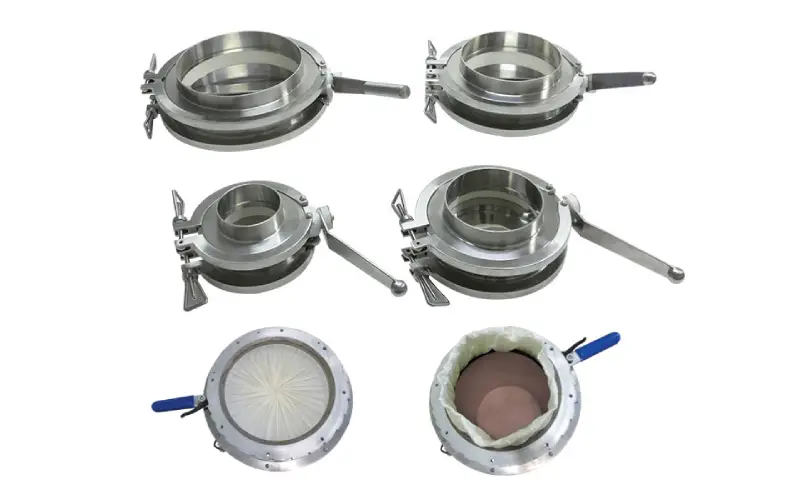
Body: The main structure that holds the components together.
Disc: The central part that rotates to control flow.
Shaft: Connects the disc to the actuator and facilitates rotation.
Seat: Ensures a tight seal when the valve is closed.
Actuator: Provides the mechanism to open or close the valve manually, electrically, or pneumatically.
Responsibilities of a Butterfly Valve Manufacturer
Manufacturers of butterfly valves are involved in designing, producing, and delivering high-quality products that meet the specific needs of their clients. Here are the core responsibilities of a butterfly valve manufacturer:
Design and Engineering
Butterfly valve manufacturers invest heavily in research and development to create innovative designs that cater to various industrial applications. Their responsibilities in this phase include:
- Material Selection: Choosing the right materials for the valve body, disc, and seat to ensure durability, corrosion resistance, and suitability for specific fluids.
- Customization: Designing valves that meet unique client specifications, such as high-pressure or high-temperature environments.
- Compliance: Ensuring designs meet industry standards like ANSI, API, or ISO.
Production and Manufacturing
The manufacturing process involves several steps to ensure precision and quality:
- Casting and Forging: Creating the valve body and other components using durable materials like stainless steel, carbon steel, or ductile iron.
- Machining: Precision machining of components to ensure perfect fits and alignments.
- Assembly: Assembling the components to create a fully functional valve.
- Testing: Conducting rigorous tests, such as pressure tests and leakage tests, to ensure the valve’s performance and reliability.
Quality Assurance
Quality assurance is a non-negotiable aspect of manufacturing butterfly valves. Manufacturers adhere to strict quality control measures to ensure their products meet safety and performance standards. Common quality assurance activities include:
- Inspection of Raw Materials: Verifying the quality of incoming materials.
- In-Process Checks: Monitoring each stage of production.
- Final Testing: Performing functional and performance tests on the finished product.
Distribution and Supply
Once the valves are manufactured and tested, manufacturers focus on delivering them to clients across various industries. They may:
- Maintain a global supply chain network.
- Partner with distributors to ensure timely delivery.
- Offer after-sales support and maintenance services.
After-Sales Support
A good butterfly valve manufacturer provides comprehensive after-sales services, such as:
- Installation guidance.
- Maintenance and repair support.
- Spare parts availability.
Industries That Rely on Butterfly Valve Manufacturers
Butterfly valves are used in a wide range of industries due to their efficiency, compact design, and cost-effectiveness. Here are some key industries that depend on butterfly valve manufacturers:
Water and Wastewater Treatment
Butterfly valves are widely used in water treatment plants to regulate the flow of water and chemicals. Manufacturers design valves that can withstand exposure to corrosive substances and varying pressures.
Oil and Gas
In the oil and gas industry, butterfly valves are essential for handling high-pressure and high-temperature applications. Manufacturers often provide fire-safe and API-compliant valves for this sector.
Food and Beverage
Hygiene is paramount in the food and beverage industry. Butterfly valve manufacturers produce sanitary-grade valves with smooth surfaces and non-toxic materials to meet stringent cleanliness standards.
Power Generation
In power plants, butterfly valves regulate steam and water flow in cooling and heating systems. Manufacturers design high-performance valves capable of withstanding extreme conditions.
Chemical Processing
Chemical industries require valves that can handle aggressive chemicals and extreme temperatures. Manufacturers use specialized materials like PTFE-lined valves to ensure compatibility and longevity.
Types of Butterfly Valves Offered by Manufacturers
Butterfly valve manufacturers produce various types of valves to cater to different applications:
Wafer Type
This valve type is compact and cost-effective, designed to fit between two flanges without additional support.
Lug Type
Lug-style butterfly valves are suitable for systems that may require disassembly downstream without disturbing the upstream pipeline.
Double Offset (High-Performance)
Designed for higher pressure and temperature applications, these valves minimize wear and extend lifespan.
Triple Offset
Triple-offset butterfly valves offer a bubble-tight seal and are ideal for critical applications, such as in the oil and gas sector.
Plastic Butterfly Valves
Manufactured for lightweight and corrosion-resistant applications, these are commonly used in water and chemical handling.
Challenges Faced by Butterfly Valve Manufacturers
Like any industry, butterfly valve manufacturers face certain challenges:
- Material Costs: Fluctuating raw material prices can impact production costs.
- Customization Demands: Clients often require highly specific designs, increasing the complexity of production.
- Regulatory Compliance: Adhering to international standards and certifications can be resource-intensive.
- Technological Advancements: Keeping up with evolving technologies and automation trends requires continuous investment.
Choosing the Right Butterfly Valve Manufacturer
When selecting a butterfly valve manufacturer, consider the following factors:
- Experience and Reputation: Choose a manufacturer with a proven track record.
- Customization Capabilities: Ensure they can meet your specific requirements.
- Certifications: Verify their compliance with industry standards.
- After-Sales Support: Look for manufacturers that offer reliable maintenance and support services.
Conclusion
Butterfly valve manufacturers play an indispensable role in industrial operations worldwide. From designing innovative solutions to ensuring top-notch quality, their expertise ensures that industries can rely on efficient and durable flow control systems. By understanding the scope of their responsibilities and the challenges they face, you can better appreciate the value they bring to the table—whether you’re a buyer, supplier, or industry professional. Selecting the right manufacturer can make all the difference in achieving operational efficiency and reliability.