
 By Miguel Foley
An electric boiler industrial is a vital piece of equipment for industries that require heat for their operations. Unlike traditional boilers that burn fuel, electric boilers use electricity to generate heat, providing an efficient and environmentally friendly solution. These boilers are widely used in industries such as manufacturing, food processing, and chemical production due to their ability to provide precise control over heating systems. The efficiency, safety, and low maintenance requirements of electric boilers make them an attractive choice for industrial applications, reducing the need for frequent repairs and increasing operational efficiency.
What is an Electric Boiler Industrial and its Main Components?
An electric boiler industrial is a type of boiler that uses electrical energy to generate heat, which is then transferred to water or other fluids. The main components of an electric boiler include the heating element, a control system, and a pressure vessel. The heating element is responsible for converting electrical energy into heat. The control system regulates the temperature and pressure within the boiler, ensuring it operates within safe limits. The pressure vessel holds the water or fluid that absorbs the generated heat. This setup ensures the boiler runs smoothly and efficiently in industrial applications.
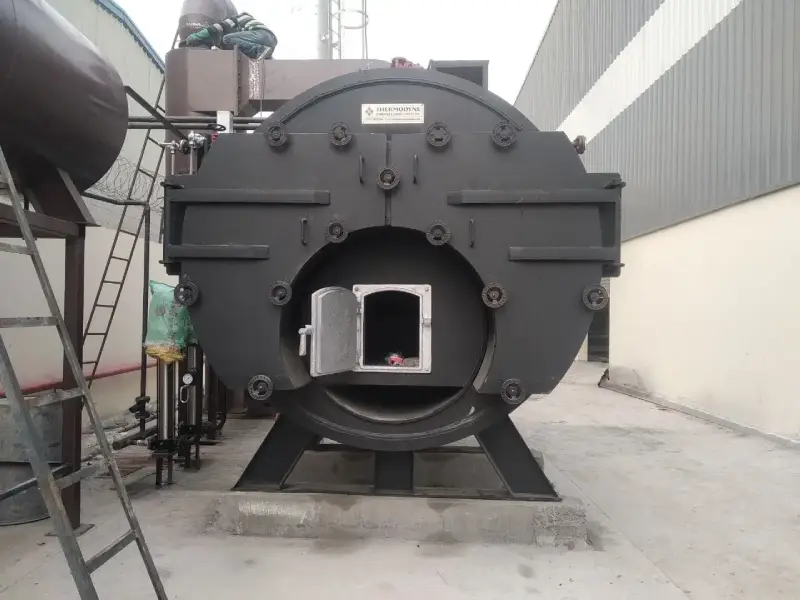
Key Features of an Electric Boiler Industrial
Key features of an electric boiler industrial include:
- Compact Design: These boilers are typically smaller and more compact compared to traditional models.
- Energy Efficiency: Electric boilers are highly efficient, converting nearly all the electrical energy into usable heat.
- Low Emissions: They emit minimal greenhouse gases, making them an environmentally friendly option.
- Precise Temperature Control: The control system allows for accurate regulation of temperature and pressure.
- Low Maintenance: With fewer moving parts, electric boilers require less maintenance and have a longer lifespan.
How an Electric Boiler Industrial Generates Heat?
An electric boiler industrial generates heat through the conversion of electrical energy into thermal energy. This process occurs when electricity flows through resistive heating elements inside the boiler. As the current passes through the heating elements, they becomes hot, transferring heat to the surrounding water or fluid. The heated fluid then circulates through the system, providing the required heating for industrial processes. The simplicity of this method allows for precise temperature control, making it ideal for industries that need consistent heating performance.
Advantages of Using an Electric Boiler Industrial in Industries
The advantages of using an electric boiler industrial include:
- Cost-Effective: The operational cost of electric boilers is lower since they don’t require fuel.
- Environmentally Friendly: They do not produce harmful emissions, making them a sustainable choice.
- Minimal Maintenance: With fewer moving parts, electric boilers require less maintenance compared to fuel-based boilers.
- Ease of Installation: These boilers are easy to install and don’t require a fuel storage system.
- Quiet Operation: Electric boilers operate silently, contributing to a better working environment.
Applications of Electric Boiler Industrial in Various Sectors
Electric boilers are used in a variety of sectors, providing efficient heating solutions. In the manufacturing industry, they supply steam for production processes such as sterilization and drying. In the food processing sector, they provide heat for cooking, pasteurization, and cleaning. In chemical plants, electric boilers are used for heating reactors and other equipment. Healthcare facilities also use electric boilers for sterilization purposes. Their versatility and ability to provide precise heat control make electric boilers essential in these diverse applications, improving process efficiency and reducing operational costs.
Efficiency of an Electric Boiler Industrial for Energy Savings
The efficiency of an electric boiler industrial for energy savings is exceptional due to:
- High Conversion Rate: Electric boilers convert almost 100% of electrical energy into heat.
- Precise Control: The ability to control temperature and pressure ensures minimal energy waste.
- Low Heat Loss: These boilers have high insulation, preventing significant heat loss.
- No Fuel Handling: There’s no need for fuel storage or combustion, reducing energy waste.
- Quick Response Time: Electric boilers heat up quickly, reducing standby energy consumption. These features make electric boilers ideal for industries focused on energy savings.
Maintenance Tips for an Electric Boiler Industrial to Ensure Longevity
To ensure the longevity of an electric boiler industrial, the following maintenance tips are essential:
- Regular Inspections: Check the heating elements, pressure valves, and control systems frequently.
- Cleaning: Remove any sediment or scale buildup in the boiler to prevent efficiency loss.
- Electrical System Checks: Ensure that all electrical connections are tight and free from corrosion.
- Temperature Calibration: Regularly calibrate the thermostat to ensure accurate temperature control.
- Preventative Maintenance: Perform scheduled maintenance to identify and address potential issues before they become major problems.
Conclusion
electric boilers offer numerous advantages for industries, including energy efficiency, low maintenance, and environmental benefits. Their ability to generate heat through electrical energy makes them an ideal solution for sectors that require reliable and precise heating. With their compact design, low emissions, and cost-effectiveness, electric boilers contribute to improving overall operational efficiency. Proper maintenance ensures their longevity, making them a smart choice for industries aiming for sustainability and reduced operational costs.