
 By Miguel Foley
Mini LED lights are becoming increasingly popular due to their energy efficiency, brightness, and longevity. Whether used in TVs, gaming monitors, or decorative lighting, they are often seen as a more advanced alternative to traditional LED and OLED technology. But how energy-efficient are mini LED lights really? This article explores their efficiency, power consumption, and benefits to help you understand if they are the right choice for your needs.
What Are Mini LED Lights?
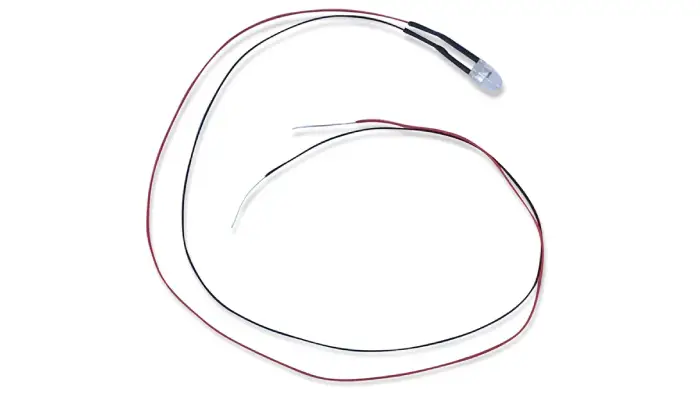
Mini LED lights are a refined version of traditional LED (Light Emitting Diode) technology. They use smaller diodes—often less than 200 micrometers in size—compared to standard LEDs. This allows for more precise lighting control, better contrast ratios, and improved energy efficiency. Unlike OLED screens that use organic compounds for illumination, mini LEDs function similarly to traditional backlit displays but with more localized dimming zones.
Energy Efficiency of Mini LED Lights
Lower Power Consumption
One of the main advantages of mini LED lights is their reduced power consumption. They require less energy to produce the same level of brightness compared to conventional LEDs and OLEDs. Due to their smaller size, more LEDs can be placed in a given area, allowing for better light distribution without excessive energy use.
Enhanced Brightness with Less Energy
Mini LEDs are designed to be more efficient at converting electricity into visible light. This results in higher brightness levels while consuming less power. This is particularly useful in high-resolution screens like TVs and monitors, where maintaining peak brightness can often drain significant amounts of energy.
Improved Local Dimming Reduces Waste
Unlike traditional LED-backlit screens that illuminate large areas at once, mini LED lights allow for more precise local dimming. This means that only the necessary parts of the screen or lighting system are illuminated, reducing wasted energy and enhancing contrast in displays.
Mini LED Lights vs. Other Lighting Technologies
To better understand the efficiency of mini LED lights, let’s compare them with other popular lighting options:
Mini LED vs. Traditional LED
- Energy Use: Mini LEDs use slightly less energy per lumen than traditional LEDs due to their smaller size and improved light control.
- Lifespan: Both have long lifespans, often exceeding 50,000 hours of usage.
- Brightness: Mini LEDs provide higher brightness with less power.
Mini LED vs. OLED
- Power Consumption: OLEDs use organic materials that emit their own light, eliminating the need for backlighting but consuming more energy in peak brightness settings.
- Efficiency: Mini LEDs are more efficient when displaying bright content, whereas OLEDs excel in dark scenes due to their ability to turn off individual pixels.
- Longevity: OLEDs can suffer from burn-in over time, whereas mini LEDs have a longer lifespan.
Mini LED vs. Traditional Incandescent and CFL Lights
- Power Usage: Mini LEDs use up to 80% less energy than incandescent bulbs and 50% less than compact fluorescent lamps (CFLs).
- Durability: Incandescent bulbs last around 1,000 hours, CFLs around 8,000, and mini LEDs up to 50,000 hours or more.
- Environmental Impact: Mini LEDs contain no harmful mercury, unlike CFLs, and they generate minimal heat compared to incandescent bulbs.
Applications of Mini LED Lights
Mini LED technology is not just limited to displays. It has a variety of applications that further showcase its energy efficiency:
Mini LED TVs and Monitors
TVs and gaming monitors benefit from mini LED backlighting due to improved brightness, better contrast, and lower power consumption compared to OLEDs.
Decorative and Smart Home Lighting
Mini LED strips and bulbs are becoming a popular choice for smart home lighting systems due to their efficiency and ability to produce vibrant colors without excessive energy use.
Automotive Lighting
Mini LED headlights and dashboard displays enhance visibility while consuming less energy, improving the efficiency of electric and hybrid vehicles.
Commercial and Industrial Lighting
From billboards to office spaces, mini LED lighting solutions reduce electricity costs while providing high-quality illumination.
Benefits of Using Mini LED Lights
- Energy Savings: Lower electricity bills due to reduced power consumption.
- Environmentally Friendly: Less energy usage means a smaller carbon footprint.
- Long Lifespan: Minimal maintenance and replacement costs.
- Better Light Quality: Higher brightness, improved contrast, and better dimming control.
- Less Heat Production: Safer to use and reduces cooling costs in certain environments.
Conclusion
Mini LED lights offer significant energy efficiency benefits compared to traditional LED, OLED, and incandescent lighting. Whether in TVs, monitors, or smart home lighting, they provide bright, high-quality illumination while consuming less power. As technology advances, mini LED lights will likely become even more efficient, making them a great investment for energy-conscious consumers and businesses alike.