
 By John Mercado
India’s ceramic tile export industry is growing steadily, with Morbi in Gujarat as the main production hub. When choosing quality tiles for export, start by understanding the types available: ceramic, porcelain/vitrified, specialty, and mosaic, all with different finishes. Check key quality parameters like water absorption below 0.5%, breaking strength over 1300 Newtons, good abrasion resistance, and slip resistance (COF ≥ 0.4). Certifications such as IS 15622 or testing from NABL-accredited labs ensure reliability. It’s best to select experienced manufacturers who provide proper packaging and shipping insurance to avoid damage during transit. Following these guidelines helps secure durable tiles fit for international markets.
Overview of Indian Ceramic Tile Export Market
India stands as one of the top three producers and exporters of ceramic tiles worldwide, with Morbi in Gujarat recognized as the largest manufacturing cluster. This region alone drives a significant portion of the industry’s output, supporting a variety of tile types to meet the diverse needs of global buyers. Ceramic tiles export from India are valued at hundreds of millions of dollars annually, reflecting steady growth at around 15% per year. Key markets for these exports include the USA, Italy, UAE, Saudi Arabia, Mexico, and Germany, where demand spans both wall and floor tiles with finishes ranging from glossy to textured and marble-look. The competitive edge of Indian manufacturers lies in the availability of raw materials, relatively low labor costs, and an increasing adoption of advanced technologies such as digital printing, which enhances design variety and quality. Additionally, supportive government policies and export incentives have further propelled the industry’s expansion, making India a reliable and innovative supplier in the global ceramic tile market.
Different Types of Ceramic Tiles Made in India
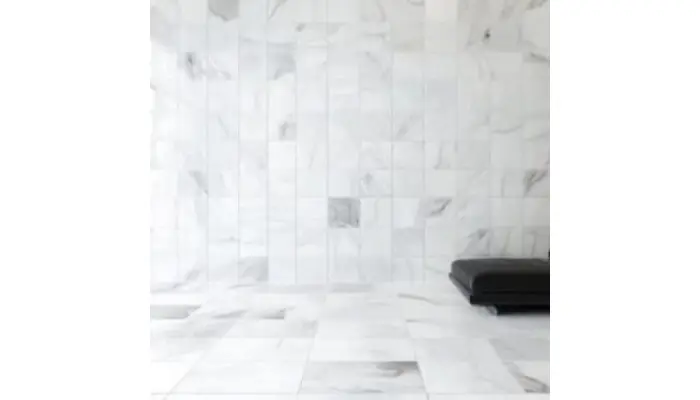
India’s ceramic tile industry offers a wide range of tile types to meet diverse export market needs. Traditional ceramic tiles include both glazed and unglazed varieties, commonly used for walls and floors. Porcelain and vitrified tiles are denser and feature very low water absorption, making them ideal for heavy traffic areas and moisture-prone environments. Specialty tiles form an important segment and include digital ceramic tiles with high-resolution prints, double charge porcelain tiles that have enhanced thickness and durability, and soluble salt nano tiles known for their unique surface effects. Full body tiles stand out because their color runs through the entire thickness, providing better wear resistance over time. Wood-look and marble-look tiles replicate natural materials but offer the added benefits of tile durability and low maintenance. For outdoor and heavy-use applications, pavement and parking tiles are designed to withstand harsh conditions and high foot or vehicle traffic. Step riser tiles are specifically engineered for staircases, focusing on slip resistance to enhance safety. Mosaic tiles add decorative appeal with their variety of shapes, colors, and intricate patterns, often used in design accents. Finishes available range from glossy and matte to textured, 3D, and granite-look surfaces, allowing for creative flexibility. The Indian tile industry continues to innovate by introducing eco-friendly options and customized designs to cater to global preferences.
Essential Quality Standards for Ceramic Tiles
When choosing ceramic tiles for export from India, it is crucial to focus on key quality standards that ensure durability and safety. Water absorption should be below 0.5% for ceramic tiles, as higher absorption can lead to moisture damage and reduced lifespan. Porcelain and vitrified tiles offer even lower water absorption rates, making them ideal for areas exposed to moisture or heavy use. Breaking strength is another important factor, with a minimum of 1300 Newtons recommended for floor tiles to withstand impact and heavy loads. Abrasion resistance ensures that tiles maintain their surface quality in high-traffic areas without excessive wear. For safety, slip resistance must meet a minimum coefficient of friction (COF) of 0.4 to prevent accidents, especially in wet conditions. The Porcelain Enamel Institute (PEI) rating system helps determine tile hardness and appropriate usage: PEI 0 and 1 are suitable mainly for wall tiles or light foot traffic, while PEI 3 and above indicate tiles fit for residential floors, commercial spaces, and even outdoor applications. In addition to these physical properties, uniformity in thickness, consistent color, and straight edges are essential for proper installation and aesthetic appeal. Exporters should provide certifications from NABL-accredited labs confirming compliance with Indian and international standards, giving importers confidence in the product’s quality and reliability.
Certifications and Testing for Export Tiles
When choosing ceramic tiles for export from India, verifying certifications and testing reports is essential to ensure quality and compliance. Glazed ceramic tiles must meet the Indian Standard IS 15622, while unglazed tiles should follow IS 13712 specifications. Testing these tiles in NABL-accredited laboratories guarantees accurate results for critical parameters such as water absorption, breaking strength, abrasion resistance, and slip resistance. Importers should request third-party inspection reports from reputed agencies like SGS before finalizing any purchase to confirm that the tiles adhere to these standards. Additionally, manufacturers need to provide business KYC documents, including IEC Code and RCMC certificates, which authenticate their legal standing for export. International certifications like ISO and CE marking further indicate that the products comply with global quality norms. Export shipments must be accompanied by certificates of origin and inspection certificates to facilitate smooth customs clearance. Including insurance documentation such as ICC Cover A is recommended to protect shipments against loss or damage during transit. Checking previous shipping documents like Bills of Lading can help verify the manufacturer’s export history and reliability. Together, these certifications and tests form the backbone of trust and quality assurance when sourcing ceramic tiles from India for international markets.
Choosing the Right Manufacturer or Exporter
When selecting ceramic tiles for export from India, working directly with manufacturers rather than merchant exporters is crucial for maintaining consistent quality. Manufacturers have greater control over raw materials and production processes, resulting in better product reliability. Prefer companies with at least ten years of export experience, as this indicates stability and a proven track record. Checking a company’s reputation through credit rating agencies like Dun & Bradstreet helps verify financial health and business credibility. It’s also wise to arrange video calls or physical visits to the factory to assess production capacity and quality control measures firsthand. Confirm that manufacturers use high-quality raw materials such as clay, quartz, and feldspar, which are essential to produce durable and crack-resistant tiles. Additionally, inquire whether they provide guarantees covering stain resistance, uniform color, slip resistance, and freedom from cracks, as these assurances reflect confidence in their product. Timely delivery and reasonable shipping costs are equally important to avoid delays and manage expenses. Leading Indian tile exporters like Kajaria Ceramics, Somany Ceramics, and Nitco Limited typically meet these criteria and have established export compliance procedures, including proper documentation and licensing. Finally, ensure the exporter adheres to export regulations and provides all necessary paperwork to facilitate smooth customs clearance and import processes in the destination country.
- Select manufacturers rather than merchant exporters for better quality control.
- Prefer companies with at least a decade of export experience.
- Check company reputation via credit rating agencies such as Dun & Bradstreet.
- Arrange video calls or physical factory visits to verify production capabilities.
- Ensure manufacturers use high-quality raw materials like clay, quartz, and feldspar.
- Confirm if the manufacturer offers guarantees for stain resistance and uniform color.
- Look for manufacturers with timely delivery records and reasonable shipping costs.
- Major Indian tile exporters include Kajaria Ceramics, Somany Ceramics, and Nitco Limited.
- Evaluate if manufacturers provide slip resistance and crack-free tile assurances.
- Assess exporters’ compliance with export documentation and licensing requirements.
Packaging and Shipping Tips for Export
Proper packaging is critical when exporting ceramic tiles from India due to their fragile nature. Use sturdy cartons with protective padding inside to prevent tiles from shifting or breaking during transit. Shrink wrapping the packed cartons adds extra security against moisture and dust. It’s important to work with reliable shipping partners who offer ICC Cover A insurance, providing all-risk coverage in case of damage or loss. To reduce risk, insist on CIF (Cost, Insurance, Freight) shipping terms so the supplier takes responsibility for insurance. Typical minimum order quantities are a 1×20 foot container, but some exporters accommodate smaller lots depending on buyer needs. Make sure all necessary shipping documents are prepared and accurate, including the commercial invoice, packing list, bill of lading, and certificate of origin. Inspection certificates and insurance papers should accompany the shipment to ensure smooth customs clearance. Clearly label each package with handling instructions and product details to guide freight handlers and prevent mishandling. Close tracking of shipments and regular communication with freight forwarders help anticipate and resolve delays. Since Indian monsoon season (June to September) can cause shipping disruptions, plan shipments accordingly to avoid delays and protect tile quality.
Export and Import Compliance Rules
Exporters of ceramic tiles from India must secure valid licenses from the Directorate General of Foreign Trade (DGFT) to operate legally. Compliance with the import regulations of destination countries is crucial; for example, Saudi Arabia requires SASO certification to clear shipments. Importers often rely on Customs House Agents (CHA) to handle customs clearance smoothly, avoiding delays or penalties. Payment terms in this trade usually involve a 30% advance payment against the proforma invoice and the remaining 70% before shipment. To reduce financial risks, using a 100% irrevocable Letter of Credit is recommended as a secure method for international payments. Before placing orders, checking applicable import duties and tariffs on government portals helps avoid unexpected costs. Ensuring all export documentation, such as IEC codes, RCMC certificates, commercial invoices, packing lists, bills of lading, certificates of origin, and insurance papers, is complete and accurate is essential to prevent shipment hold-ups. Manufacturers must maintain RCMC registrations and comply with GST regulations to stay aligned with export policies. Staying updated on changes in export rules and country-specific trade restrictions is important to avoid compliance issues. Lastly, keeping detailed records of all export transactions supports audits and regulatory requirements, safeguarding both exporters and importers throughout the trade process.
Tips for Importers Buying Indian Ceramic Tiles
Importers should start by conducting thorough market research to identify which types and styles of ceramic tiles are in high demand in their target markets. Requesting physical samples or virtual demonstrations of quality tests helps verify the product before placing large orders. It is important to check third-party lab certifications, such as those from NABL-accredited labs, to ensure tiles meet standards for water absorption, breaking strength, and slip resistance. Avoid ordering during India’s monsoon season (June to September) as heavy rains can cause shipping delays. Building strong networks with architects, interior designers, and retailers can help secure better distribution channels and faster sales. Consider Indian innovations like digital printing and eco-friendly tiles to offer unique products that stand out. Negotiate minimum order quantities and shipping terms carefully to balance cost and inventory risk. Upon arrival, inspect tile packaging and shipment condition closely to catch any damage early. Plan your inventory according to seasonal sales cycles and local market trends to avoid overstocking or shortages. Maintaining open, regular communication with Indian suppliers ensures timely updates on production and shipment status, which helps prevent surprises and supports smoother operations.
Unique Features of Indian Ceramic Tiles
Indian ceramic tiles stand out for their high durability and strong resistance to wear and tear, making them suitable for both residential and commercial spaces. The industry offers a broad range of designs, colors, and finishes, from glossy and matte to textured and 3D patterns, catering to diverse market preferences globally. Many manufacturers use advanced digital printing technology, allowing tiles to realistically mimic natural materials like wood and marble, which adds aesthetic value without the high cost of natural stone. Indian tiles are competitively priced compared to Chinese and European options, largely due to the strong domestic base of raw materials such as clay and quartz, which helps control production costs and ensures steady supply. Environmentally friendly production methods are also increasingly common, reflecting a growing focus on sustainability. Artisanal and customized tile patterns are available, supporting both mass production and smaller, bespoke orders. Exporters often provide flexible packaging and shipping solutions tailored to protect fragile tiles during transit and meet client requirements, which is crucial for international buyers. These combined features position Indian ceramic tiles as a reliable, versatile, and cost-effective choice in the global market.
Checklist for Selecting Quality Ceramic Tiles for Export
Start by confirming the tile type you need for export, ceramic, porcelain, vitrified, mosaic, or specialty, since each serves different purposes and markets. Check the water absorption rate carefully: ceramic tiles should have less than 0.5%, while porcelain and vitrified tiles require even lower rates for better moisture resistance. Ensure the breaking strength is at least 1300 Newtons, especially for flooring tiles, to guarantee durability against heavy foot traffic or impact. Match the PEI rating to the tile’s intended use and expected traffic levels; for example, PEI 3 suits residential floors with moderate traffic, while PEI 5 is needed for heavy commercial areas. Verify slip resistance by confirming a coefficient of friction of at least 0.4 to reduce accidents. Request certifications like IS 15622 and IS 13712, along with NABL-accredited lab test reports for water absorption, breaking strength, and slip resistance. Choose manufacturers with a proven export track record of 10 or more years to ensure reliability and consistent quality. Confirm that packaging protects tiles from damage during transit and that shipments include ICC Cover A insurance for comprehensive coverage. Make sure all documentation is complete, including IEC, RCMC, ISO, and CE certificates, bills of lading, and insurance papers. Agree on clear payment terms, commonly 30% advance with the balance before shipment, or payment via letter of credit, to secure the transaction. Understand and negotiate minimum order quantities based on your needs and supplier policies. Align your tile selection with the target market’s style preferences and functional demands to avoid unsold inventory. Look for quality guarantees from suppliers covering stain resistance, uniform color, and absence of cracks. Finally, ensure compliance with export regulations and specific import rules of the destination country to avoid customs issues or shipment delays.
Frequently Asked Questions
1. What factors should I consider to judge the durability of ceramic tiles intended for export?
Durability depends on factors like the tile body composition, glaze quality, and manufacturing process. Look for tiles with high density, low water absorption rates, and a strong glaze that resists scratches and stains. Additionally, ensure they meet international standards for wear resistance to guarantee they hold up well during transport and use.
2. How can I verify the quality standards and certifications of ceramic tiles from Indian manufacturers?
Check if the manufacturer complies with standards like ISO or ASTM relevant to ceramic tiles. Request certificates such as BIS (Bureau of Indian Standards) or CE marks, which indicate adherence to quality norms. Also, reviewing lab test reports on aspects like mechanical strength and water absorption can help confirm the product meets international quality requirements.
3. What role does the tile’s water absorption rate play in selecting ceramic tiles for different export markets?
Water absorption rate affects how resistant the tile is to moisture and weather conditions. For humid or outdoor markets, choose tiles with low water absorption (porcelain tiles typically have under 0.5%). This prevents damage from frost or staining and extends tile lifespan in those environments.
4. How important is the tile finish and surface texture when choosing ceramic tiles for varied global applications?
Tile finish and texture directly influence slip resistance, aesthetics, and suitability for specific uses. For instance, matte or textured finishes are preferred for wet areas like bathrooms, while polished tiles suit dry interiors. Understanding the end-use and regional preferences helps ensure the tiles perform well and appeal to buyers internationally.
5. What manufacturing techniques should I look for to ensure consistent quality in ceramic tiles exported from India?
Modern manufacturing methods like automated pressing, digital printing, and controlled kiln firing lead to uniform thickness, accurate colors, and minimal defects. Ask about the production processes to ensure consistency across batches, which is crucial for maintaining quality throughout large export orders and satisfying client expectations.
TL;DR India is a major player in the global ceramic tile export market, known for diverse tile types including ceramic, porcelain, and specialty designs. When choosing quality tiles for export, focus on key standards like water absorption, breaking strength, slip resistance, and PEI ratings. Verify certifications such as IS standards and NABL-accredited testing reports. Select experienced manufacturers with proven track records and ensure proper packaging with insurance to avoid damage. Understand export-import compliance, including licenses and country-specific regulations. For importers, request samples, conduct tests, and align purchases with market demand. Indian tiles offer durability, variety, competitive pricing, and eco-friendly options, making them a strong choice for international markets.