
 By John Mercado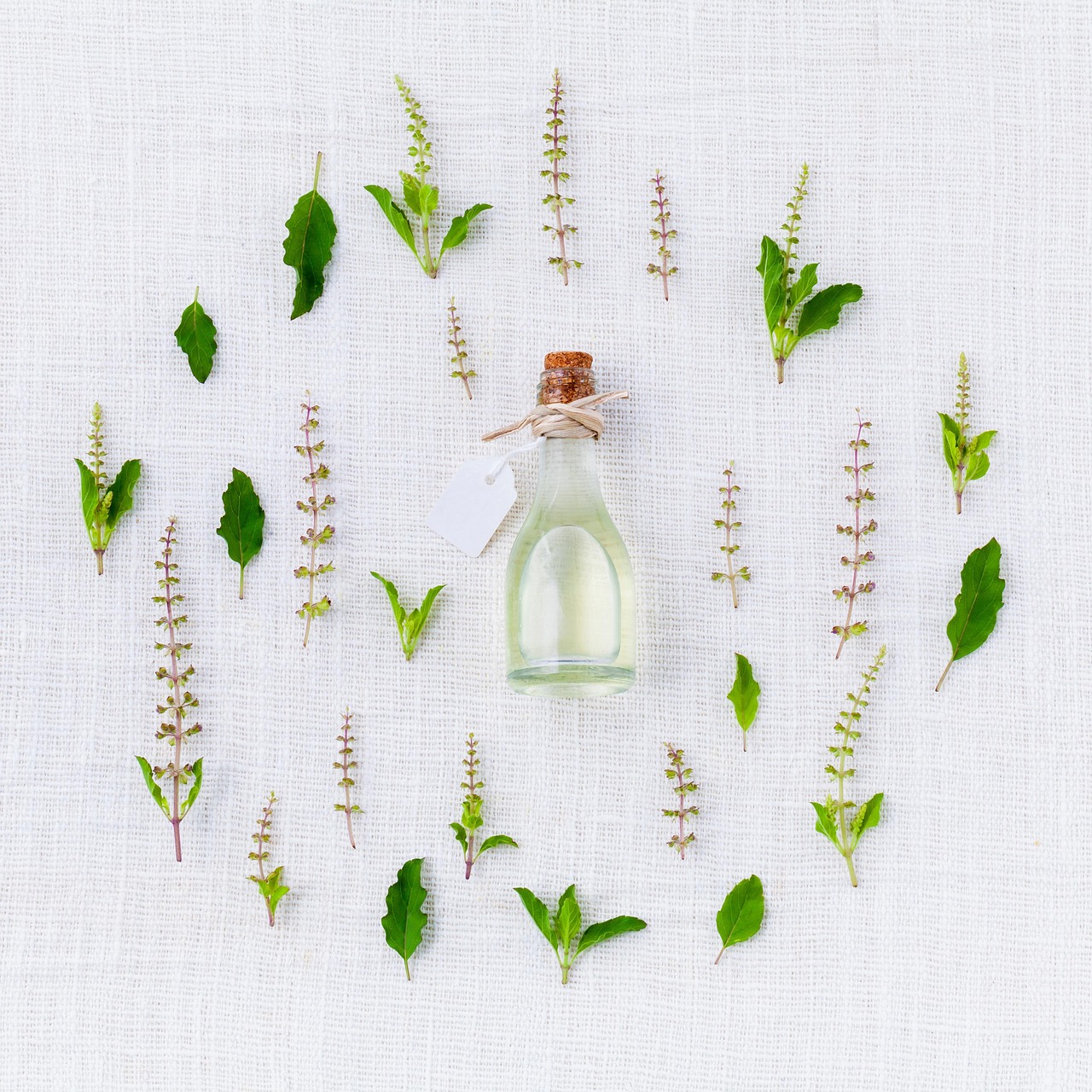
The Ancient Spice Cabinet Secret That May Help Balance Your Blood Sugar Naturally: What Ayurveda Knew Centuries Before Modern Medicine
Long before glucose monitors and insulin pens became part of our modern healthcare toolkit, ancient Ayurvedic practitioners were already addressing blood sugar imbalances with an elegant system of botanical medicine. These healers understood that maintaining metabolic balance was fundamental to overall health — and they developed sophisticated herbal formulations that are now attracting serious scientific attention.
Today, as millions of people worldwide seek natural approaches to complement their metabolic health routines, the wisdom preserved in traditional Ayurvedic texts offers fascinating insights into how certain herbs and spices may support the body’s natural blood sugar regulation processes.
The Ayurvedic Understanding of Metabolic Balance
In Ayurvedic medicine, blood sugar imbalance is often associated with a condition called “Prameha” — a term that encompasses various metabolic disturbances. Traditional practitioners viewed this not as a single isolated problem, but as a systemic imbalance involving digestion, tissue metabolism, and the body’s ability to properly process nutrients.
This holistic perspective is remarkably aligned with modern understanding. We now know that blood sugar regulation involves complex interactions between multiple organ systems, hormones, and metabolic pathways. The Ayurvedic approach of addressing the whole system rather than a single symptom may explain why traditional botanical formulations have shown such enduring relevance.
Holy Basil: The Sacred Herb of Metabolic Support
Known as Tulsi in Sanskrit, Holy Basil holds a revered place in both Ayurvedic medicine and Indian culture. This aromatic herb has been traditionally used to support healthy metabolic function for thousands of years, and modern research has begun to explore the mechanisms behind its traditional uses.
Holy Basil contains compounds including eugenol, ursolic acid, and rosmarinic acid that researchers believe may support the body’s natural insulin sensitivity. Some preliminary studies suggest that these compounds may help support healthy glucose metabolism when used as part of a balanced lifestyle approach.
Fenugreek: The Fiber-Rich Blood Sugar Ally
Fenugreek seeds have been a staple of Ayurvedic blood sugar support for centuries. These small golden seeds are remarkably rich in soluble fiber — a nutrient that may help slow the absorption of carbohydrates in the digestive tract, potentially supporting more stable post-meal blood sugar levels.
Traditional Ayurvedic practitioners would often recommend soaking fenugreek seeds overnight and consuming them first thing in the morning. Modern herbalists have refined this approach, creating concentrated extracts that deliver the beneficial compounds in more convenient forms while maintaining the traditional synergistic balance.
Bitter Melon: Nature’s Metabolic Regulator
Perhaps no plant better illustrates the Ayurvedic principle of “like reduces like” than bitter melon. This distinctly bitter gourd has been used across multiple traditional medicine systems — from Ayurveda to Traditional Chinese Medicine — as a botanical support for healthy blood sugar levels.
Bitter melon contains unique compounds including charantin and polypeptide-p that researchers have identified as potentially relevant to glucose metabolism. While more research is needed, the consistent use of this botanical across multiple traditional healing systems suggests its enduring value in metabolic wellness.
The Power of Synergistic Herbal Formulations
One of the most sophisticated aspects of Ayurvedic medicine is the art of combining herbs in specific ratios to enhance their individual effects. This concept of synergy means that a well-formulated combination of blood sugar-supporting herbs may offer benefits beyond what any single ingredient could provide alone.
Products like Extract48 Blood Sugar Control Drops are designed based on these traditional Ayurvedic principles, combining multiple botanical extracts that have been traditionally used together to support healthy metabolic function and natural blood sugar balance.
Lifestyle Factors That Complement Herbal Support
Ayurvedic practitioners have always emphasized that herbal remedies work best as part of a comprehensive lifestyle approach. Regular physical activity, mindful eating practices, adequate sleep, and stress management all play crucial roles in supporting healthy blood sugar levels.
Walking after meals — a practice recommended in ancient Ayurvedic texts — has been shown in modern studies to support post-meal glucose metabolism. Similarly, the traditional Ayurvedic emphasis on eating your largest meal at midday aligns with recent research on circadian rhythms and metabolic efficiency.
The Role of Digestive Health in Blood Sugar Balance
Ayurveda has long recognized the connection between digestive health and metabolic balance. The concept of “Agni” — digestive fire — is central to Ayurvedic medicine, and traditional practitioners believed that strong digestive function was essential for proper nutrient processing and metabolic regulation.
Modern science is confirming this ancient insight through research on the gut microbiome and its role in blood sugar regulation. The herbs traditionally used in Ayurvedic blood sugar formulations often also support digestive health, suggesting that ancient practitioners intuitively understood this crucial connection.
A Balanced Approach to Metabolic Wellness
The growing interest in traditional herbal approaches to blood sugar support reflects a broader shift toward integrative wellness. Rather than viewing herbal supplements as replacements for medical care, the most effective approach combines the best of traditional wisdom with modern health monitoring and professional guidance.
As we continue to rediscover the metabolic support properties of ancient Ayurvedic herbs, one thing becomes increasingly clear: the wisdom of traditional healers, refined over thousands of years of observation and practice, still has much to teach us about maintaining the delicate balance that keeps our bodies functioning at their best.