
 By Miguel Foley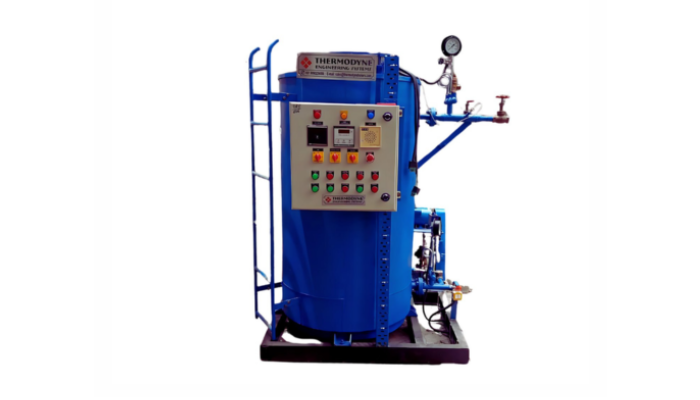
In an age where environmental sustainability and energy efficiency are paramount, industries are under increasing pressure to reduce emissions and comply with stringent green regulations. One innovative solution that aligns with these sustainability goals is the waste heat fired boiler. These systems harness excess heat generated during industrial processes and convert it into usable energy, significantly reducing fuel consumption and emissions.
This article explores how waste heat fired boilers play a critical role in complying with green regulations and environmental standards while also improving energy efficiency and operational cost savings.
What is a Waste Heat Fired Boiler?
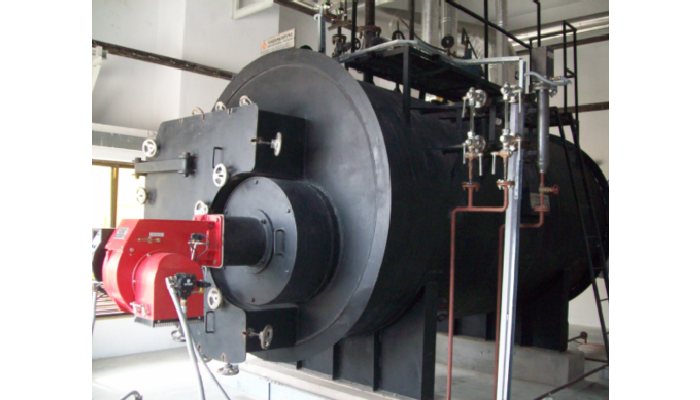
A waste heat fired boiler, also known as a waste heat recovery boiler, is an energy-efficient system that captures waste heat from industrial processes such as exhaust gases from gas turbines, engines, or kilns, and repurposes it to generate steam or hot water. This steam can then be used for various applications such as power generation, heating, or additional industrial processes.
Instead of venting heat into the atmosphere, these boilers recover it, turning a waste product into a valuable energy resource.
The Importance of Green Regulations in Industry
Green regulations are environmental guidelines and policies designed to minimize ecological impact. These regulations, often enforced by governmental and international bodies, focus on:
- Reducing greenhouse gas emissions
- Improving energy efficiency
- Minimizing air and water pollution
- Encouraging the use of renewable and alternative energy sources
Industries that fail to meet these standards often face penalties, higher carbon taxes, or even operational shutdowns. As such, adopting sustainable technologies like waste heat fired boilers becomes essential.
How Waste Heat Fired Boilers Help Meet Environmental Regulations?
Reduction in Fuel Consumption and CO₂ Emissions
One of the primary environmental benefits of waste heat fired boilers is the reduction in fossil fuel consumption. By utilizing heat that would otherwise be lost, these boilers eliminate the need for additional fuel sources to generate energy. This significantly reduces:
- Carbon dioxide (CO₂) emissions
- Nitrogen oxides (NOₓ) and sulfur oxides (SOₓ)
- Particulate matter and other harmful pollutants
This compliance aligns with the objectives of the Kyoto Protocol, Paris Agreement, and regional emission standards such as the EPA Clean Air Act in the U.S. or the European Union’s Industrial Emissions Directive (IED).
Improved Energy Efficiency Ratings
Modern green regulations increasingly demand minimum efficiency standards for industrial equipment. Waste heat fired boilers can dramatically improve a facility’s overall energy efficiency rating. By repurposing existing energy, they reduce the total energy input needed, helping companies meet:
- ISO 50001 Energy Management Standards
- Energy Efficiency Resource Standards (EERS)
- Local Building Energy Codes
Heat Recovery and Process Optimization
Waste heat boilers contribute to process optimization by providing an integrated approach to energy management. Through closed-loop systems, they allow plants to:
- Reuse energy in secondary processes
- Maintain steady temperature and pressure control
- Reduce reliance on grid power
This optimization ensures more stable environmental performance and makes it easier to comply with annual energy audit requirements and sustainability certifications like LEED (Leadership in Energy and Environmental Design).
Industrial Applications Supporting Sustainability Goals
Waste heat fired boilers are utilized across a wide array of industries, each benefiting from improved compliance and lower carbon footprints:
Cement and Glass Manufacturing
These energy-intensive industries produce significant high-temperature exhaust gases. Waste heat boilers help convert this heat into power or steam, meeting sustainability benchmarks.
Petrochemical and Refineries
Refineries produce a lot of waste heat during distillation and cracking. Utilizing a waste heat fired boiler helps reduce energy imports and meet flaring and emissions regulations.
Steel and Metal Processing
High-temperature operations like smelting and rolling emit substantial waste heat. Waste heat recovery helps minimize emissions and meets strict pollution control regulations.
Power Plants and Co-generation Units
Combined Heat and Power (CHP) systems, integrated with waste heat fired boilers, provide dual benefits: power generation and heat recovery, resulting in high compliance with energy efficiency mandates.
Waste Heat Fired Boilers and Circular Economy Principles
Governments and regulatory bodies are increasingly encouraging industries to adopt circular economy models, where waste is minimized and resources are reused. Waste heat fired boilers perfectly align with this philosophy by:
- Utilizing thermal waste as a resource
- Reducing dependency on non-renewable fuels
- Contributing to closed-loop energy systems
This sustainable energy reuse system not only meets compliance but also supports corporate Environmental, Social, and Governance (ESG) reporting goals.
Conclusion
The waste heat fired boiler stands as a pillar of sustainable industrial practice. By converting waste into energy, these systems not only help industries meet and exceed green regulations but also reduce costs, enhance efficiency, and promote environmental stewardship.
In the journey toward a cleaner, more sustainable industrial landscape, waste heat recovery systems offer a practical, impactful solution helping businesses comply with environmental laws while contributing to a greener future.