
 By Miguel Foley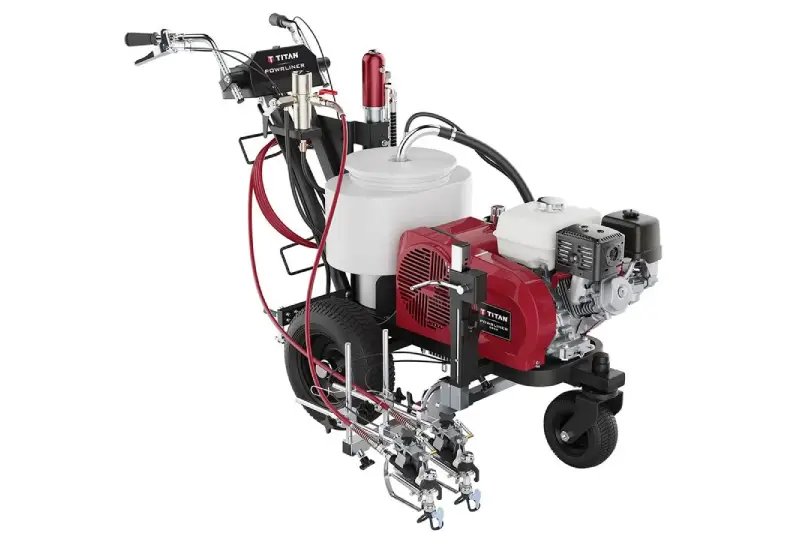
Line painting plays a crucial role in infrastructure, ensuring clear, visible, and accurate markings on roads, parking lots, sports fields, and industrial zones. Achieving precision and efficiency in line painting is essential to meet safety regulations and provide optimal functionality. Traditional manual methods are often time-consuming and prone to errors, leading to inconsistent results. However, line painting machines have revolutionized the process by enhancing accuracy, reducing labor intensity, and significantly improving efficiency. This article explores how line painting machines contribute to better performance in various applications and why they are indispensable in modern infrastructure projects.
Enhancing Precision With Line Painting Machines
One of the most significant advantages of line painting machines is their ability to produce highly accurate and consistent lines. Manual line painting methods often lead to uneven thickness, inconsistent spacing, and misaligned markings, which can cause confusion and reduce visibility. With automated machines, professionals can achieve precise measurements and flawless application, ensuring compliance with industry standards.
Modern line painting machines are equipped with advanced features such as laser guides, GPS technology, and automated steering systems that allow for impeccable accuracy. These technologies help in drawing straight, uniform lines with minimal deviation, eliminating human errors and ensuring long-lasting results.
Increased Efficiency And Time Savings
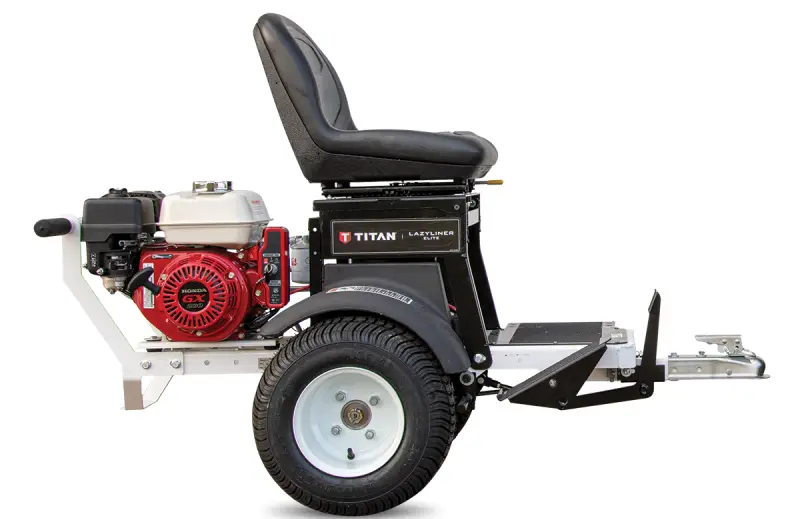
Time efficiency is a crucial factor in road maintenance and parking lot management. Traditional painting methods require multiple workers and extensive labor hours to complete a project. In contrast, line painting machines streamline the process, allowing a single operator to cover large areas in significantly less time.
Automated line painting equipment is designed for high-speed operation while maintaining precision. Whether painting highway lanes, parking spaces, or warehouse floor markings, these machines reduce downtime and enable faster project completion. Businesses and municipalities benefit from quicker turnaround times, allowing for more frequent and well-maintained markings without disrupting regular operations.
Cost-Effectiveness And Reduced Labor Costs
Investing in line painting machines proves to be cost-effective in the long run. While the initial purchase of the equipment may seem expensive, it significantly reduces the reliance on large labor teams, thus cutting operational costs. Manual painting requires multiple workers to measure, mark, and paint, whereas a single operator can manage a machine efficiently.
Additionally, the precision offered by line painting machines minimizes paint wastage, reducing material costs. With consistent application, there is less need for frequent touch-ups and corrections, leading to long-term savings for businesses and municipal organizations.
Versatility For Various Applications
Line painting machines are highly versatile and cater to a wide range of industries and applications. From road marking to indoor warehouse safety lines, these machines offer flexibility in different environments. Some of the key areas where line painting machines are used include:
Road and Highway Markings: Ensuring lane visibility and compliance with traffic regulations.
Parking Lots: Creating designated parking spaces, pedestrian crossings, and directional arrows.
Sports Fields: Marking boundaries, playing areas, and track lines for various sports.
Warehouses and Industrial Spaces: Enhancing workplace safety by clearly defining pathways and hazardous zones.
The adaptability of line painting machines makes them essential across multiple sectors, ensuring efficiency and compliance with specific industry requirements.
Durability And Consistency In Markings
The quality of painted lines significantly impacts their longevity and visibility. Hand-painted markings are prone to fading, uneven wear, and deterioration over time due to environmental exposure. Line painting machines apply paint uniformly and at the correct thickness, ensuring durability and resistance to wear and tear.
Many advanced machines use airless spray technology, which provides a more even coat and better adhesion to surfaces. This results in markings that last longer, reducing the need for frequent repainting and maintenance. Durable and well-defined lines enhance safety and organization in public and private spaces.
Environmental Benefits And Sustainable Operations
Sustainability is a growing concern in all industries, including infrastructure and road maintenance. Line painting machines contribute to eco-friendly practices in multiple ways. Many modern machines are designed to use water-based paints, which contain fewer volatile organic compounds (VOCs) compared to traditional solvent-based paints. This reduces harmful emissions and minimizes environmental impact.
Additionally, precision technology in these machines reduces paint wastage, ensuring that only the necessary amount is used for each marking. Some advanced models also feature low-emission engines and energy-efficient components, further promoting sustainable operations.
Ease Of Use And Technological Advancements
The latest line painting machines come with user-friendly interfaces and innovative features that make them accessible to both experienced professionals and new operators. Many machines have touch-screen controls, automated settings, and customizable line widths, allowing for seamless operation.
Technological advancements such as GPS mapping and remote-controlled operation provide added convenience. These features enable operators to plan and execute complex line-marking projects with precision, reducing the need for manual adjustments. As a result, even large-scale projects can be handled with minimal effort and improved efficiency.
Safety Enhancements With Line Painting Machines
Safety is a top priority in line painting, especially when working on roads and highways. Manual painting methods require workers to spend extended periods on-site, increasing the risk of accidents. Line painting machines significantly reduce this risk by allowing faster application, minimizing worker exposure to traffic and hazardous environments.
Many machines also come equipped with safety features such as reflective striping options, night-vision cameras, and LED guidance systems, ensuring that markings are visible in all lighting conditions. These advancements contribute to improved road safety and overall traffic management.
Conclusion
The evolution of line painting machines has transformed the way markings are applied in various industries. With enhanced accuracy, time efficiency, and cost-effectiveness, these machines have become indispensable for road maintenance, parking lot management, sports field marking, and industrial applications. Their ability to produce durable, high-quality markings with minimal environmental impact further adds to their value.