
 By Miguel Foley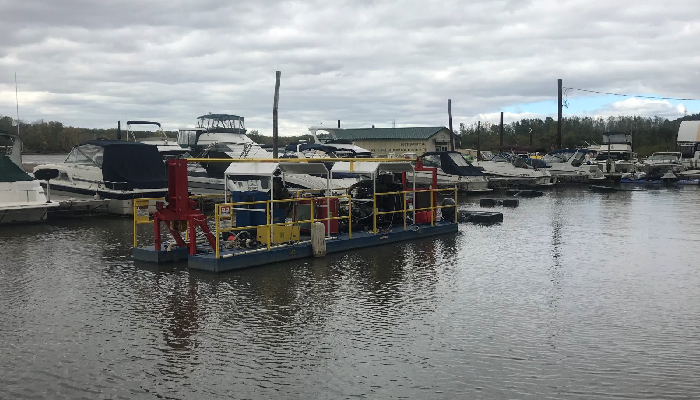
Regular maintenance is crucial for the optimal functioning of a wastewater dredge system. A well-maintained system ensures efficient operations, reduces unexpected breakdowns, and extends equipment lifespan. By incorporating routine checks into your schedule, you can identify potential issues early, preventing costly repairs. The importance of regular maintenance for your wastewater dredge system cannot be overstated, as it directly impacts operational efficiency and sustainability. Neglecting this process may lead to significant financial losses and environmental concerns.
Wastewater Dredge Efficiency through Regular Maintenance
Efficiency improves when systems are maintained regularly. Key points include: ensuring pumps operate at peak performance, minimizing sludge buildup, and maintaining hydraulic components. Cleaning nozzles prevents clogging while lubricating moving parts reduces wear and tear. Inspecting hoses ensures they remain intact, avoiding leaks. These practices enhance overall functionality, directly impacting the wastewater dredge system’s ability to handle large volumes effectively. Ultimately, consistent upkeep boosts productivity and saves resources.
Ensuring Wastewater Dredge Longevity with Routine Checks
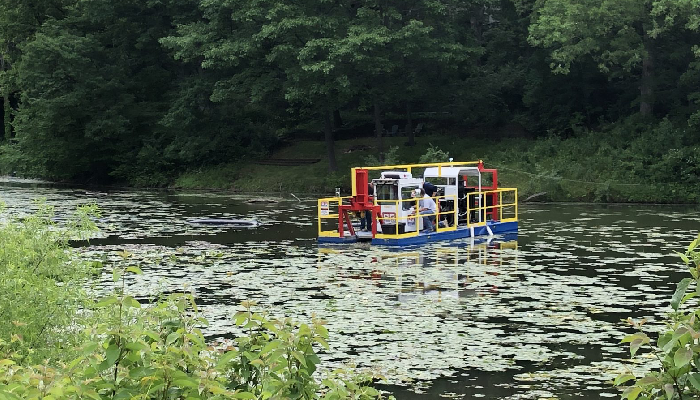
Routine checks play a vital role in extending the life of your wastewater dredge system. By systematically inspecting critical components such as motors, gears, and cutting heads, operators can detect minor issues before they escalate. This proactive approach minimizes stress on machinery, reducing the risk of premature failure. Scheduled inspections also ensure compliance with manufacturer guidelines, preserving warranties. Through these efforts, businesses can significantly increase the longevity of their equipment, making it more cost-effective over time without compromising performance or safety.
Maximizing the Performance of Your Wastewater Dredge System
To maximize performance, a wastewater dredge system requires meticulous care. Regular cleaning prevents debris accumulation, which can hinder operation. Adjusting settings according to specific conditions ensures optimal output. Monitoring power consumption helps identify inefficiencies, allowing timely adjustments. Additionally, training staff to recognize signs of malfunction contributes to smoother operations. All these steps collectively enhance the system’s ability to manage wastewater effectively, improving its overall “performance” and reliability in demanding environments.
Preventing Downtime by Maintaining Your Wastewater Dredge
Downtime can disrupt operations and incur substantial costs. Preventive measures include: replacing worn-out parts promptly, conducting thorough inspections after each use, and documenting maintenance activities for future reference. Calibrating instruments regularly ensures accurate readings, while testing emergency shutdown systems guarantees safety. Addressing leaks immediately prevents further damage. Such practices minimize unplanned stoppages, ensuring the “wastewater dredge” remains functional during peak usage periods, thereby safeguarding business continuity.
How Regular Maintenance Boosts Wastewater Dredge Reliability?
Reliability is essential for any wastewater dredge system. Regular maintenance builds trust in the equipment by ensuring all components function seamlessly. It involves checking electrical connections, verifying fluid levels, and assessing structural integrity. By adhering to a structured maintenance plan, operators reduce the likelihood of sudden failures. This reliability translates into consistent performance, enabling businesses to meet deadlines and uphold standards. Over time, reliable systems foster confidence among stakeholders, reinforcing the importance of diligent upkeep.
Optimizing Wastewater Dredge Operations with Scheduled Care
Scheduled care optimizes operations by streamlining processes. Important actions include: aligning maintenance schedules with operational demands, using advanced diagnostics to predict failures, and upgrading outdated parts. Implementing preventive strategies reduces energy consumption, enhancing efficiency. Training technicians to perform precise inspections ensures no detail is overlooked. These practices contribute to smoother “operations,” ultimately benefiting both the environment and the bottom line. Consistent optimization leads to better resource management and increased profitability.
Sustainable Practices for Wastewater Dredge Maintenance
Adopting sustainable practices enhances the environmental impact of wastewater dredge maintenance. Using eco-friendly lubricants and biodegradable materials reduces pollution. Recycling old parts decreases waste, promoting circular economy principles. Energy-efficient tools lower carbon footprints during maintenance tasks. Incorporating digital monitoring systems provides real-time data, facilitating informed decisions. These methods align with global sustainability goals while maintaining high standards for wastewater dredge systems, fostering long-term ecological responsibility.
Conclusion
Regular maintenance is indispensable for maximizing the potential of a wastewater dredge system. It ensures efficiency, prolongs equipment life and prevents costly downtime. Businesses that prioritize routine checks and scheduled care enjoy enhanced reliability and performance. Embracing sustainable practices further solidifies their commitment to environmental stewardship. By investing in proper maintenance, companies not only protect their assets but also contribute positively to operational success and ecological balance.