
 By Miguel Foley
An industrial electric boiler is a vital component in many industries, providing efficient heating solutions for various applications, including manufacturing, chemical processing, and food production. Choosing the right industrial electric boiler can significantly impact operational efficiency, energy costs, and environmental footprint. This guide will help you navigate the selection process by considering key factors such as capacity, efficiency, safety, and operational requirements.
Understanding Industrial Electric Boilers
Industrial electric boiler use electrical energy to generate steam or hot water for industrial processes. Unlike traditional fossil-fuel-based boilers, they do not produce emissions, making them an environmentally friendly option. They are known for their energy efficiency, ease of maintenance, and ability to integrate with renewable energy sources.
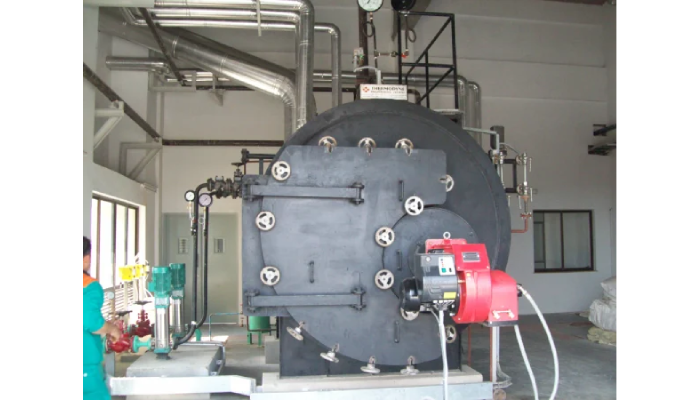
Types of Industrial Electric Boilers
- Electrode Boilers – Use high-voltage electrodes to generate steam. They are ideal for applications requiring rapid steam generation and high efficiency.
- Resistance Boilers – Utilize electric resistance heating elements to produce heat. Suitable for applications requiring precise temperature control.
- Hybrid Electric Boilers – Combine electric and conventional fuel-based heating methods for added flexibility and efficiency.
Key Factors to Consider When Choosing an Industrial Electric Boiler
Capacity and Output Requirements
The capacity of an industrial electric boiler is measured in kilowatts (kW) or megawatts (MW). Consider the following:
- The amount of steam or hot water required per hour.
- The operating pressure and temperature range.
- Future scalability needs.
To determine the appropriate capacity, conduct a thorough assessment of your process heating demands.
Efficiency and Energy Consumption
Energy efficiency is crucial in reducing operational costs. Look for boilers with:
- High thermal efficiency (typically 98% or more).
- Advanced control systems that optimize energy usage.
- Low standby energy losses to improve cost-effectiveness.
Power Supply and Electrical Infrastructure
Industrial electric boilers require a stable and sufficient power supply. Consider:
- Voltage and phase requirements (typically 480V three-phase for industrial applications).
- Power grid compatibility to prevent overload issues.
- Backup power options for uninterrupted operation.
Space and Installation Requirements
Electric boilers are generally compact compared to fuel-based alternatives. However, account for:
- Available floor space.
- Ventilation and cooling requirements.
- Accessibility for maintenance and repairs.
Safety Features and Compliance
Ensure the boiler meets safety and industry standards, such as:
- Automatic shut-off and pressure relief systems.
- Compliance with ASME, UL, or CE certifications.
- Overheat and dry-run protection mechanisms.
Maintenance and Longevity
Electric boilers have fewer moving parts, leading to lower maintenance needs. However, consider:
- Ease of component replacement.
- Availability of manufacturer support and service.
- Expected lifespan and warranty coverage.
Environmental Impact and Sustainability
Since electric boilers produce zero direct emissions, they are an excellent choice for companies aiming to reduce their carbon footprint. They can also integrate with renewable energy sources such as solar or wind power to further enhance sustainability.
Advantages of Industrial Electric Boilers
- High Efficiency: Convert nearly all electrical energy into heat.
- Low Emissions: No combustion means zero greenhouse gas emissions.
- Compact Design: Requires less space compared to traditional boilers.
- Quiet Operation: No fuel combustion noise.
- Lower Maintenance Costs: Fewer mechanical components reduce wear and tear.
Common Applications of Industrial Electric Boilers
- Manufacturing and Processing – Used for steam generation in textile, paper, and chemical industries.
- Food and Beverage Industry – Essential for sterilization, cooking, and pasteurization.
- Pharmaceutical and Healthcare – Provides clean steam for medical and laboratory applications.
- District Heating Systems – Supplies hot water and steam for commercial buildings and urban heating networks.
Conclusion
Selecting the right industrial electric boiler requires careful consideration of capacity, efficiency, power requirements, safety features, and environmental impact. By evaluating your specific needs and industry requirements, you can choose a boiler that enhances productivity, reduces operational costs, and aligns with sustainability goals. Investing in the right boiler ensures long-term benefits, including lower maintenance, energy savings, and compliance with industry regulations.