
 By Miguel Foley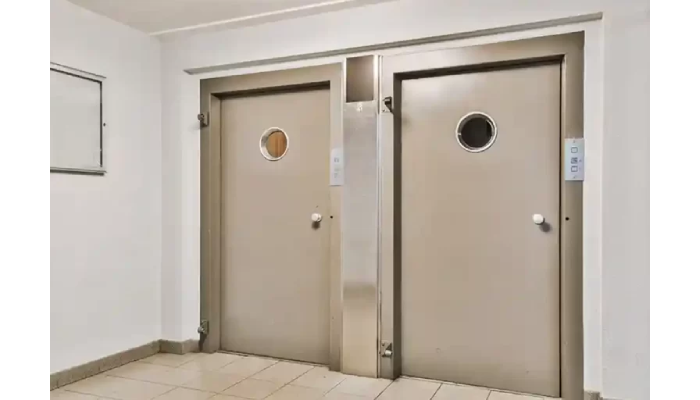
When it comes to door manufacturing, material selection plays a crucial role in determining the durability, aesthetics, security, and overall functionality of the final product. Whether for residential, commercial, or industrial use, the right choice of materials can impact the lifespan of a door and its ability to withstand environmental conditions.
For door manufacturers in Dubai, where the climate is characterized by high temperatures, humidity, and sand exposure, selecting the right material is even more critical. This article explores why material selection matters in door manufacturing, the most commonly used materials, and their advantages in different applications.
The Importance of Material Selection in Door Manufacturing
Durability and Longevity
Doors are a long-term investment, and their durability depends on the material used. In regions like Dubai, doors must be resistant to harsh weather conditions such as intense heat, high humidity, and dust storms. Materials like aluminum, steel, and uPVC are popular among door manufacturers in Dubai due to their ability to withstand these environmental factors.
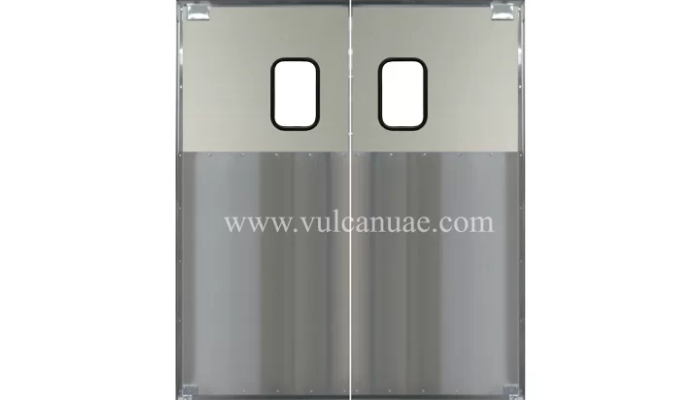
Security and Strength
Security is a top priority when choosing doors, especially for commercial buildings, villas, and apartments. Materials such as steel and solid hardwood provide excellent strength and security, reducing the risk of break-ins and enhancing property protection. Fire-rated doors, often made from steel or composite materials, are also widely used in commercial spaces to meet safety regulations.
Aesthetic Appeal
The material of a door significantly affects its appearance. Customers often look for doors that complement their home or business interiors. Wooden doors offer a classic and luxurious appeal, while glass doors provide a modern and sleek look. Aluminum and fiberglass doors come in various finishes and designs, offering both functionality and style.
Energy Efficiency
Energy efficiency is a growing concern for property owners. Doors made from materials with good insulation properties, such as uPVC and fiberglass, help maintain indoor temperatures and reduce energy costs. In Dubai’s hot climate, thermal insulation is essential to keep indoor spaces cool and comfortable.
Maintenance Requirements
Different materials require different levels of maintenance. Wooden doors need regular polishing and protection from moisture, while metal doors may require rust-proof coatings. uPVC and fiberglass doors are low-maintenance options, making them ideal for homeowners and businesses looking for long-term convenience.
Common Materials Used in Door Manufacturing
Wood
Advantages:
- Classic and elegant aesthetic appeal
- Strong and durable (when properly maintained)
- Customizable in various designs and finishes
Challenges:
- Requires regular maintenance (polishing, painting, and sealing)
- Can warp or crack due to temperature fluctuations
- Expensive compared to other materials
Steel
Advantages:
- High security and strength
- Fire-resistant and durable
- Low maintenance compared to wood
Challenges:
- Prone to rust if not properly coated
- Limited design options compared to wood and fiberglass
- Can become hot when exposed to direct sunlight
Aluminum
Advantages:
- Lightweight and corrosion-resistant
- Ideal for modern designs
- Suitable for humid and coastal areas
Challenges:
- Not as strong as steel
- Can dent easily
- Less insulation compared to uPVC and fiberglass
UPVC (Unplasticized Polyvinyl Chloride)
Advantages:
- Excellent insulation properties
- Low maintenance and weather-resistant
- Affordable compared to wood and metal doors
Challenges:
- Not as strong as metal doors
- Limited aesthetic appeal
- Can discolor over time
Fiberglass
Advantages:
- Highly durable and resistant to wear and tear
- Low maintenance and moisture-resistant
- Available in various textures, including wood-like finishes
Challenges:
- Higher initial cost than uPVC
- Limited availability in some markets
Glass
Advantages:
- Offers a sleek and modern appearance
- Allows natural light to pass through
- Can be reinforced for better security
Challenges:
- Less privacy unless frosted or tinted
- Requires regular cleaning and maintenance
- Can be fragile if not properly reinforced
Best Material Choices for Dubai’s Climate
Given Dubai’s extreme weather conditions, door manufacturers in Dubai often recommend materials that can withstand heat, humidity, and sand exposure. Here are some of the best options:
- Aluminum doors – Ideal for commercial buildings and high-end residences due to their durability and weather resistance.
- Steel doors – Best for security purposes in both residential and commercial settings.
- uPVC doors – Great for energy efficiency and low maintenance in homes and offices.
- Fiberglass doors – Recommended for their durability, insulation, and low upkeep.
Wooden doors are still a preferred choice for many luxury villas, but they require proper treatment to prevent warping and damage.
Factors to Consider When Choosing the Right Door Material?
Purpose of the Door
- Exterior doors require strong, weather-resistant materials like steel, aluminum, or fiberglass.
- Interior doors can be made from wood, uPVC, or glass for aesthetic appeal.
Budget
- Wooden and fiberglass doors are more expensive, while uPVC and aluminum doors are budget-friendly.
- Steel doors provide a balance between cost and security.
Maintenance Needs
- Low-maintenance options like uPVC, aluminum, and fiberglass are ideal for long-term convenience.
- Wooden doors require more care but offer unmatched elegance.
Security Requirements
- Commercial properties benefit from steel or reinforced aluminum doors.
- Residential properties may prefer stylish yet durable fiberglass or solid wood doors.
Energy Efficiency
- In Dubai’s climate, insulated doors made from uPVC or fiberglass help reduce cooling costs.
Conclusion
Material selection is a critical factor in door manufacturing, influencing durability, security, aesthetics, and maintenance. Door manufacturers in Dubai must consider the region’s harsh climate and customers’ specific needs when choosing materials.
Whether opting for the strength of steel, the elegance of wood, or the energy efficiency of uPVC and fiberglass, selecting the right material ensures a functional, secure, and long-lasting door solution. By understanding the benefits and challenges of each material, businesses and homeowners can make informed decisions that enhance their properties’ value and security.