
 By Miguel Foley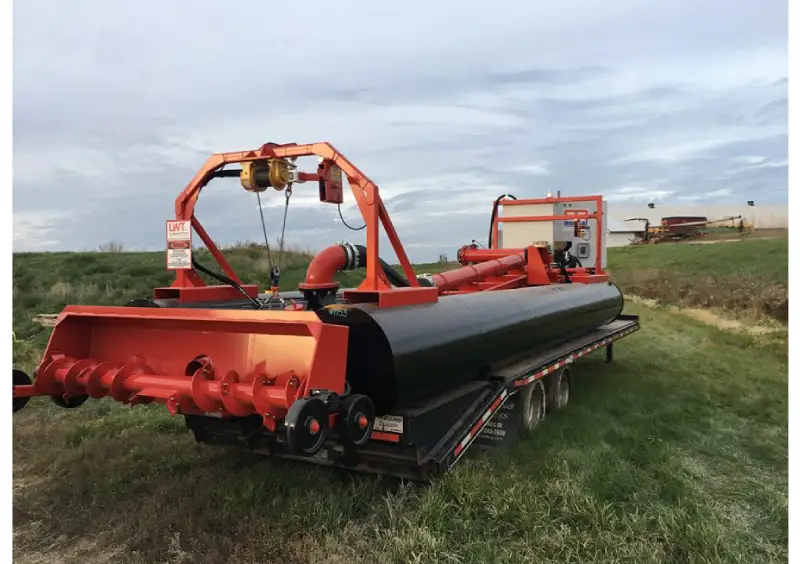
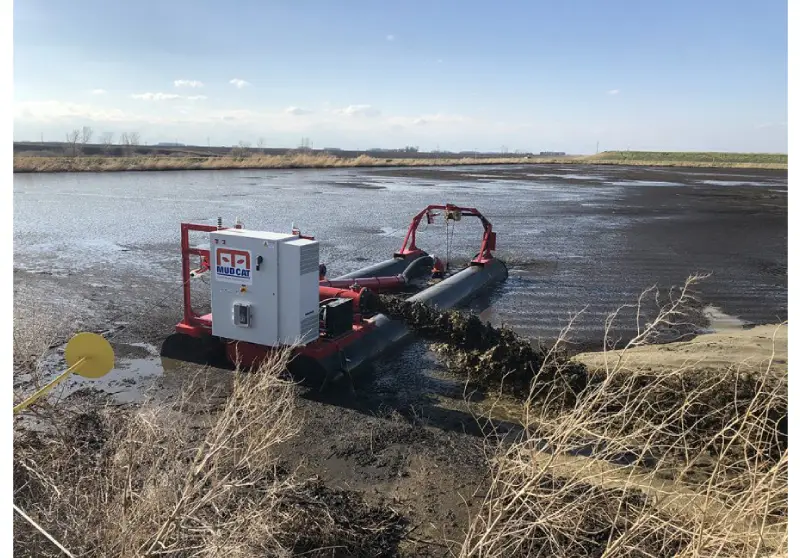
To begin with, you need to understand exactly what a wireless dredge system is composed of. These systems typically include dredging equipment, GPS units, real-time sensors, wireless transmitters and receivers, and specialized software. All these components work together to ensure accurate positioning and efficient excavation without physical cable connections. Having a complete understanding of each part will allow you to plan better, identify weak links in the setup early, and reduce the chances of operational failure during dredging activities.
Choose The Right Location For Installation
The success of your Remote controlled dredge heavily depends on where you install and operate it. The location should have minimal physical obstructions, solid GPS coverage, and reliable communication signals. Wireless equipment requires a clear line of sight to function properly, so avoid areas near tall structures or heavy machinery that may cause interference. Moreover, easy accessibility to the site makes regular maintenance and troubleshooting more efficient, ensuring long-term stability in operations.
Ensure You Have Reliable Power Sources
A stable and continuous power source is crucial for a wireless dredge system to operate effectively. Whether you’re using onboard battery systems, solar units, or generators, the voltage and current must align with equipment specifications. Inconsistent or underpowered setups can cause communication interruptions or even damage sensitive components. It’s a good idea to have a backup power source ready, especially when working in remote locations where electrical access may be limited or unreliable.
Mount Antennas And Wireless Units Securely
The mounting of antennas and wireless transmitters must be done with precision and care. These units should be installed on stable surfaces and elevated at appropriate heights to maintain strong signal transmission. Harsh weather conditions, vibrations from the dredge, and water splashes can impact signal quality if mounts are loose or poorly protected. Use waterproof casings, corrosion-resistant materials, and proper mounting brackets to keep the devices secure and functional over long periods.
Calibrate Gps And Positioning Equipment
Accurate GPS calibration ensures that your dredging system knows exactly where it is operating. You’ll need to set up your base station and receiver units to correct for signal drift and interference. This process can involve fine-tuning antenna positions, inputting coordinate references, and syncing with control software. A properly calibrated GPS setup enhances precision, saves time, and ensures the dredge follows the planned excavation path without overlaps or missed sections.
Connect All Hardware Components Correctly
Connecting your system’s hardware is not just a plug-and-play job. Each sensor, controller, antenna, and transmitter must be connected using the correct cables and ports. Misconnections can lead to poor data transmission or system failure. Always follow the system’s instruction manual, label connections where necessary, and perform initial tests to verify if all units are working together seamlessly before beginning operations.
Configure Software For Real-Time Monitoring
The software component of a wireless dredge system allows operators to visualize and control the entire setup. After installation, the software must be configured to detect and sync with the hardware components. You can then monitor GPS positioning, dredge movement, and performance data in real time. Adjusting display preferences, data logging intervals, and alert settings in the software can help optimize the monitoring experience and avoid costly human errors.
Test System Functionality Before Full Use
Never begin a full-scale operation without testing your entire system first. Run trial operations to see if all components are communicating properly, GPS positioning is accurate, and data is syncing in real time. These tests help identify minor issues like lag in communication, poor mounting, or incorrect calibration before they turn into larger operational problems. Testing ensures that you’re ready to start the project with confidence.
Train Operators On The Wireless System
Even the best system fails without properly trained personnel. Make sure operators are familiar with each part of the wireless dredge system—from setting up equipment to interpreting software data. Conduct hands-on training sessions and provide guides for troubleshooting common problems. This helps prevent mistakes during operation, increases productivity, and ensures the safety of everyone involved in the project.
Maintain The System Regularly For Best Results
Like any advanced system, regular maintenance is essential to keep everything running smoothly. Clean sensors, check antenna alignment, update software, and inspect cables and power supplies periodically. Scheduled maintenance not only extends the life of your equipment but also minimizes the chances of unexpected breakdowns. Keeping logs of maintenance checks also helps track system performance over time.
Conclusion
Setting up a wireless dredge system properly requires attention to detail, careful planning, and a strong understanding of each component involved. From choosing the right location to configuring real-time monitoring software and maintaining the system regularly, each step contributes to efficient and effective dredging. Investing time in training and system testing ensures minimal disruption and maximum performance. When everything is aligned and functioning as it should, a wireless dredge system can deliver accurate, safe, and high-quality results.