
 By John Mercado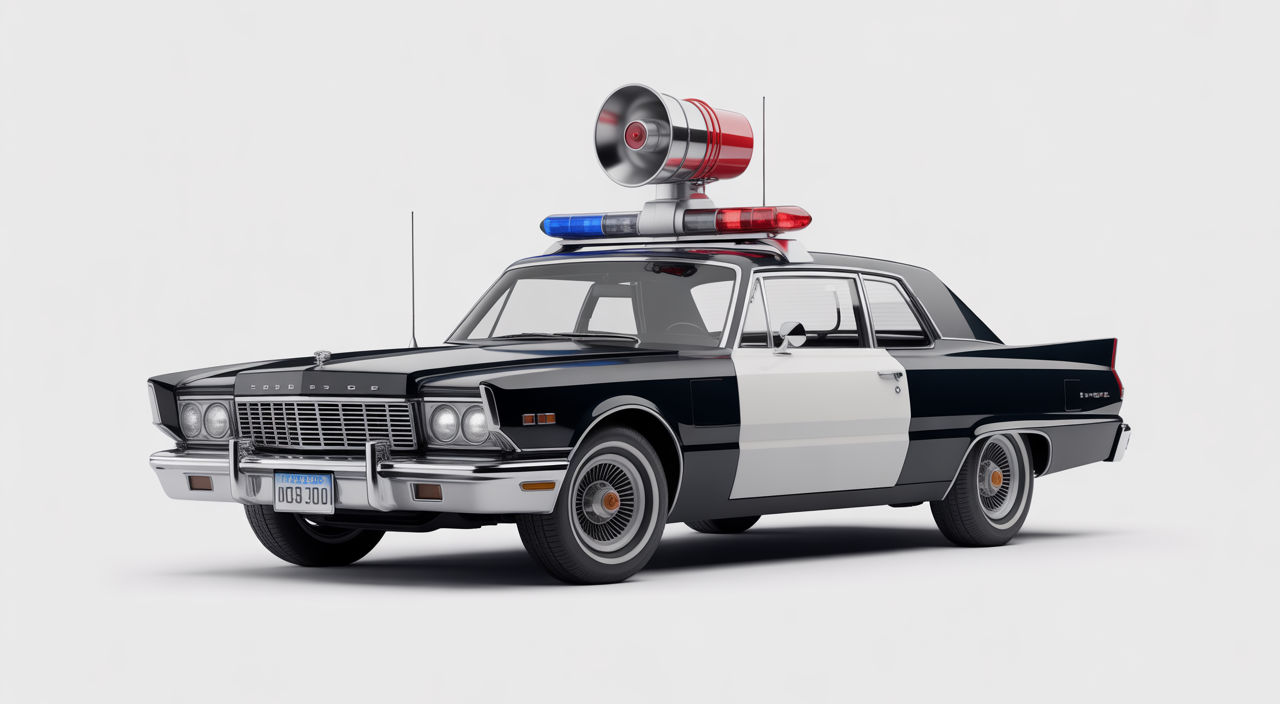
What makes the Ecto‑1 siren for car so special?
If you grew up loving proton packs and ghost‑hunting cars, you know the sound that starts it all: the famous Ecto‑1 siren. Today, you can bring that same thrill to your own vehicle with an ecto 1 siren for car that is designed for easy installation and real movie‑style sound.
This guide walks you through everything you need to know before you buy. You will learn how the siren works, what tools you need, basic wiring tips, legal and safety points, and how to get the best value for your money.
Whether your project is a full cosplay build, a show car, or a fun weekend hobby, a good ecto 1 siren for car can be the hero upgrade that makes your ride stand out.
What exactly is an Ecto‑1 siren?
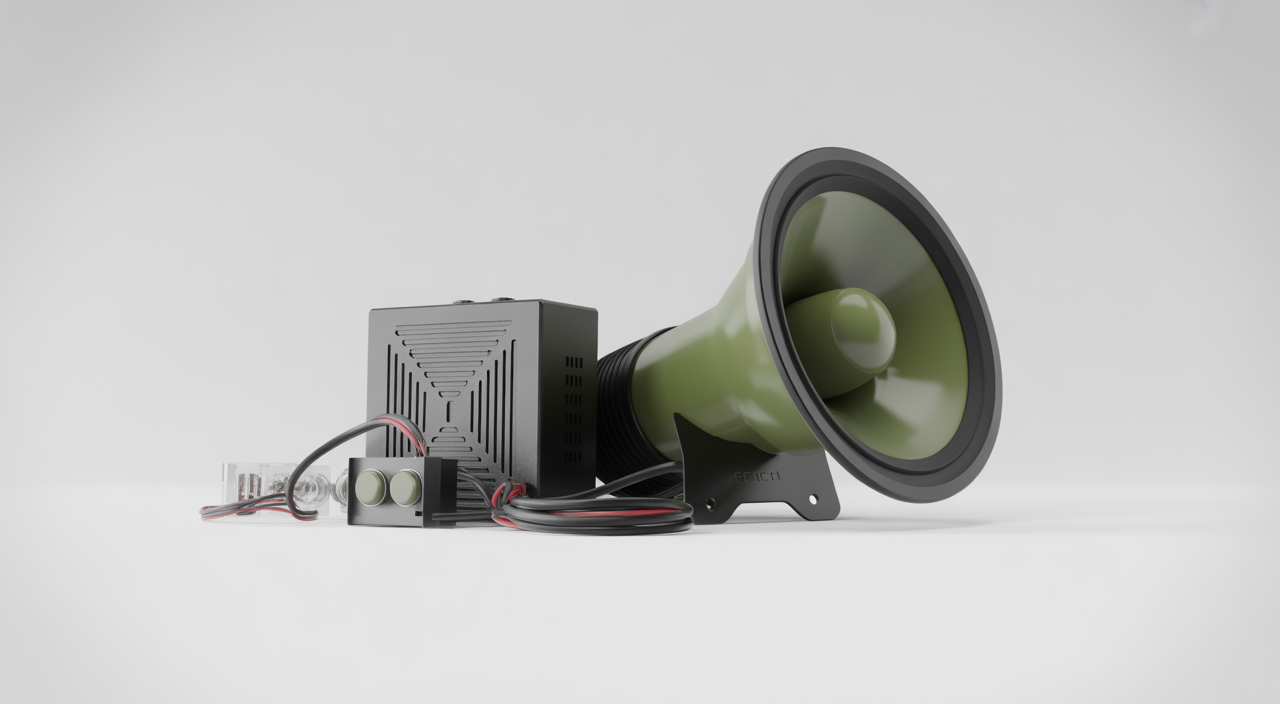
An Ecto‑1 style siren is a special 12V car siren kit that plays the high‑pitched, rising and falling sound made famous by the classic ghost‑hunting car. It is different from a normal car horn because it runs as a continuous sound effect rather than a short beep.
Modern replica sirens usually include an electronic sound module, a loudspeaker, and simple wiring leads. Many kits are “plug and play” for standard car electrical systems, so they work well with most project cars, SUVs, and even some bikes or three‑wheelers.
Why add this siren to your car?
For fans, a replica Ghostbusters siren is more than just a noise. It is a piece of movie history that people recognise instantly. At car meets, comic conventions, and photo shoots, this sound draws crowds in seconds.
For builders, it is also a smart upgrade because it gives strong “wow” factor without needing a full body conversion. Even if you do not repaint the car or add roof racks, just the Ecto‑1 horn sound can make your build feel complete.
Key things to check before you buy
When you shop for a cosplay vehicle siren or movie prop car audio kit, avoid buying only on price. A very cheap kit can mean weaker sound, unreliable electronics, or confusing wiring. Instead, compare a few simple but important details.
- Voltage: Most cars and bikes run on 12V systems. Make sure your siren is built for 12V.
- Amperage: Check how much current it draws. Lower draw is easier on your battery.
- Speaker power: Look for a clear, loud speaker that can handle outdoor use.
- Controls: A simple on/off switch or momentary push button is usually best.
- Weather resistance: If mounted outside, the speaker and wires should handle rain and dust.
Reading specs may feel technical at first, but it becomes very simple. You can treat it like choosing any other car accessory, such as a light bar or aftermarket horn.
Tools and materials you will usually need
Most DIY owners can install an Ecto‑1 style siren at home in an afternoon. You only need basic tools that many car enthusiasts already own.
- Spanner or socket set for mounting bolts
- Electric drill and a few drill bits (for mounting holes, if needed)
- Wire stripper and crimp tool
- Automotive‑grade wire (if supplied leads are short)
- Inline fuse and fuse holder
- Electrical tape or heat‑shrink tubing
- Simple on/off switch or button mounted inside the cabin
If you enjoy practical projects, this install feels very satisfying. It is far less complex than a full car audio upgrade and a good first step into DIY electrical work.
Simple step‑by‑step installation overview
Exact steps will vary slightly by kit, but the basic process is the same for most 12V car siren kits.
- Choose a mount point: The most common place is behind the front grille, or on a roof rack if you have one. Pick a spot where the sound can project forward and where water cannot pool.
- Mount the speaker: Use supplied brackets or metal straps. Tighten bolts so the siren does not vibrate at high speed.
- Plan your wiring route: Run wires away from sharp edges, hot engine parts, and moving components like fans or belts.
- Connect to power: Most builders run a positive wire from the battery through an inline fuse to a dashboard switch, then to the siren module. The negative wire goes to a clean metal ground point on the body.
- Add the switch: Mount a small switch in a place you can reach easily but not press by mistake, for example under the steering column or on a blank switch panel.
- Test the sound: Turn on the ignition, then press the switch. Check that the siren plays clearly, with no flickering lights or strange smells from wiring.
If something does not work the first time, stay calm and check three things: the fuse, the ground connection, and whether any wire has slipped out of a connector. Most problems are simple and quick to fix.
Legal and safety tips you should know
Car sirens are powerful tools, so it is important to use them wisely. Laws on sirens vary by country and even by city. In many places, special sirens are allowed only on emergency vehicles on public roads.
To enjoy your Ecto‑1 effect and stay on the safe side, a few habits help a lot:
- Use the siren mainly at private events, shows, and meets.
- Avoid using it in heavy traffic or close to hospitals and schools.
- Check local rules so you know where and when it is allowed.
This way, you keep your build fun and friendly for everyone around you.
How much does a full setup really cost?
When planning your budget, think in three parts: the siren itself, basic install parts, and any extra styling you may add later.
- Siren kit: The main cost, depending on sound quality and build strength.
- Install parts: Wires, fuse, switch, and mounting hardware are usually low‑cost.
- Optional extras: Some fans also add themed decals, LED light bars, or interior props to match the siren.
If you enjoy clever project planning, you might also like reading about how to get more value from technical gear, such as this guide on boosting performance on a DIY equipment kit, which shares useful, practical thinking you can adapt to your own car builds.
Tips for the best sound and user experience
A good Ecto‑1 style siren should be loud enough for outdoor events but not so wild that it annoys neighbours. If your kit allows, you can test a few volume levels before finalising your wiring.
Try these ideas:
- Use thicker power wire for long runs to reduce voltage drop.
- Aim the speaker slightly downward so rain flows away and the sound spreads better.
- If your car is an EV or very quiet, keep siren use short to protect battery range.
Some advanced builders even combine their siren with extra accessories, similar to how people add lighting upgrades to enhance their space in guides like this article on outdoor lighting accents.
FAQs about installing an Ecto‑1 siren
Q1: Will this type of siren work on a motorcycle or scooter?
Yes, many 12V siren kits can work on motorcycles and larger scooters that use a 12V electrical system. You only need enough space to mount the speaker and a safe place for the switch. Because bikes are open, it is wise to keep the volume at a level that is comfortable for your own ears.
Q2: Can I connect the siren through my car’s stereo amplifier?
In most cases, it is better to use the dedicated siren speaker provided in the kit. Car audio amplifiers are tuned for music, not for constant high‑pitch siren tones, so they may overheat or distort. A separate siren speaker keeps your main sound system safe and gives clearer, more accurate movie‑style sound.
Q3: How loud are these sirens usually?
Exact loudness depends on the model, but many replica Ghostbusters sirens reach levels similar to strong aftermarket horns. This is more than enough for shows and open parking lots. If you test it in a closed area like a basement parking, stand a few meters away at first and adjust your install based on what feels comfortable.
With the right ecto 1 siren for car, some basic tools, and a little patience, you can give your vehicle a unique, nostalgic voice that turns heads every time you power it on.