
 By Miguel Foley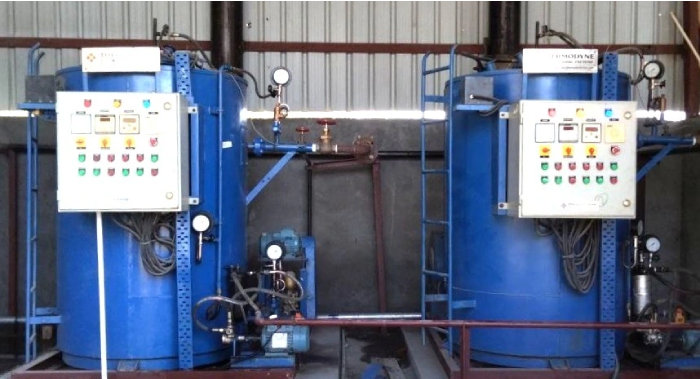
In the industrial sector, the demand for efficient and sustainable heating solutions continues to grow. Many industries are shifting towards eco-friendly alternatives to reduce their carbon footprint and comply with environmental regulations. One such innovation gaining popularity is the industrial electric boiler. But the question remains: are industrial electric boilers truly environmentally friendly? Let’s explore their environmental impact, benefits, and limitations.
Understanding Industrial Electric Boilers
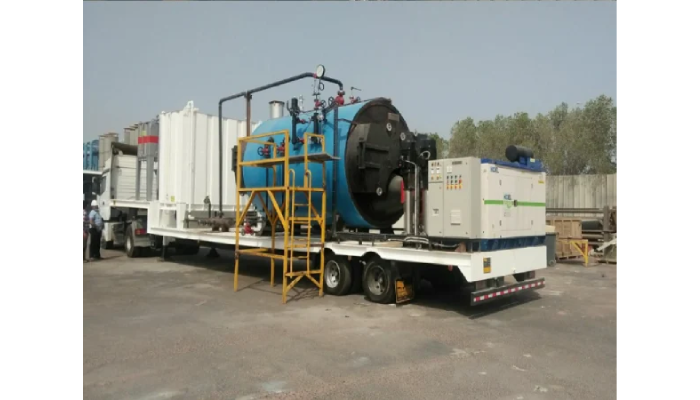
An industrial electric boiler is a heating system that generates steam or hot water using electricity instead of fossil fuels like coal, oil, or gas. These boilers are commonly used in various industries, including food processing, pharmaceuticals, manufacturing, and chemical production, where steam or hot water is essential for operations.
Environmental Benefits of Industrial Electric Boilers
- Zero Carbon Emissions at Point of Use
One of the most significant environmental advantages of an industrial electric boiler is that it does not produce carbon emissions during operation. Unlike conventional gas or coal-fired boilers, which release carbon dioxide (CO2) and other pollutants into the atmosphere, electric boilers function without combustion, making them a cleaner alternative. - Improved Air Quality
Industrial electric boilers eliminate harmful emissions such as nitrogen oxides (NOx), sulfur oxides (SOx), and particulate matter, all of which contribute to air pollution and respiratory health issues. This is particularly beneficial in urban and industrial areas where air quality is a major concern. - Efficiency and Energy Utilization
Electric boilers are known for their high efficiency, often reaching up to 99% thermal efficiency. Unlike traditional fossil fuel boilers, which experience heat loss through exhaust gases and incomplete combustion, electric boilers convert nearly all the electricity into usable heat. - Compatibility with Renewable Energy
The true environmental benefit of an industrial electric boiler comes when it is powered by renewable energy sources such as wind, solar, or hydroelectric power. Industries that integrate electric boilers with renewable electricity can achieve a completely carbon-neutral heating system. - Lower Water Consumption
Many fossil-fuel-based boilers rely on cooling towers and water-intensive processes, leading to significant water consumption. In contrast, electric boilers typically require less water, reducing overall industrial water use and minimizing wastewater production.
Limitations and Environmental Challenges
- Dependency on Electricity Source
While industrial electric boilers produce zero emissions at the point of use, their overall environmental impact depends on how the electricity is generated. If the power comes from fossil fuel-based sources, such as coal-fired power plants, the indirect emissions may still be substantial. However, as the global energy grid transitions towards cleaner energy, this issue is becoming less significant. - High Electricity Demand
Industrial electric boilers require large amounts of electricity to operate efficiently, which can put a strain on power grids, especially in regions where electricity demand is already high. This can lead to increased reliance on non-renewable sources if the energy infrastructure is not sufficiently developed. - Higher Initial Costs
While electric boilers have lower maintenance costs due to fewer moving parts and no combustion process, their initial capital costs can be higher than traditional fossil fuel boilers. However, long-term savings in fuel and maintenance costs can offset this investment over time. - Storage and Energy Availability
One challenge of using electric boilers in combination with renewable energy sources is the intermittency of solar and wind power. To address this, industries may need to invest in energy storage solutions like battery systems, which can add to the overall cost and complexity of the system.
The Future of Industrial Electric Boilers
The future of industrial electric boilers looks promising, especially as industries strive to meet sustainability goals and reduce greenhouse gas emissions. Key advancements that could further enhance their environmental benefits include:
- Grid Decarbonization: As electricity grids incorporate more renewable energy, the environmental impact of electric boilers will decrease.
- Energy Storage Innovations: Improved battery technologies can store excess renewable energy, making electric boilers more viable even in areas with intermittent renewable supply.
- Government Incentives: Many governments worldwide are offering subsidies, tax breaks, and incentives for industries adopting electric heating solutions, encouraging a faster transition.
Conclusion
Yes, industrial electric boilers are environmentally friendly when compared to fossil fuel-based boilers, particularly if powered by clean electricity. They offer significant advantages, such as zero emissions at the point of use, high efficiency, and compatibility with renewable energy. However, their overall sustainability depends on the source of electricity used and infrastructure support for renewable energy integration.
As industries move towards greener operations and global energy grids become cleaner, industrial electric boilers will play a crucial role in reducing industrial carbon footprints and promoting a more sustainable future.