
 By Miguel Foley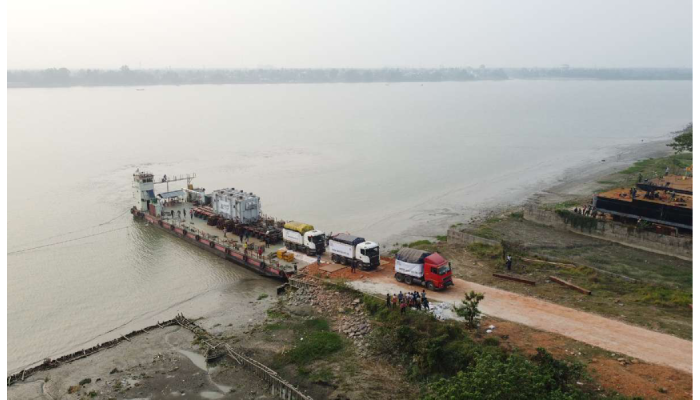
Logistics is the backbone of any business dealing with the movement of goods. Efficient logistic services ensure smooth supply chain operations while minimizing costs. In India, the logistics sector is evolving rapidly due to increased demand for e-commerce, industrial expansion, and infrastructure development. However, high transportation costs, warehousing expenses, and inefficient supply chain management can impact profitability. Businesses looking to optimize their shipping expenses need to adopt smart strategies to reduce costs while maintaining service quality. This guide explores how to achieve cost-effective logistic services in India through optimization techniques, strategic planning, and modern technology.
Choosing The Right Mode Of Transportation
Selecting the most cost-effective transportation mode is crucial for businesses. The choice depends on factors such as distance, type of goods, urgency, and budget.
- Road Transport: Ideal for short to medium distances. While road freight is flexible, fuel price fluctuations and toll charges can increase costs.
- Rail Transport: More cost-effective for bulk shipments over long distances. Railways in India offer competitive pricing for freight movement.
- Air Freight: Suitable for urgent shipments, but expensive compared to other modes.
- Sea Transport: Best for international or large-volume shipments, although transit times are longer.
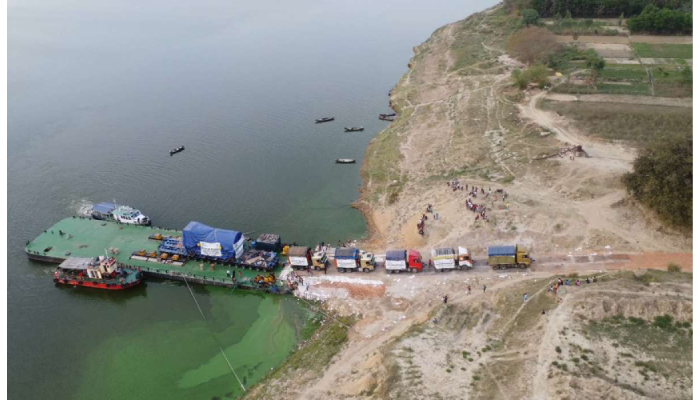
Optimizing transportation by combining different modes, known as multimodal logistic services in India, can reduce costs and improve efficiency.
Implementing Route Optimization Techniques
Route optimization helps minimize fuel consumption, reduce transit time, and improve delivery efficiency. Businesses should use route planning tools that analyze traffic patterns, road conditions, and delivery schedules.
- Use GPS-based tracking systems to find the shortest and fastest routes.
- Minimize empty return trips by planning reverse logistics.
- Cluster deliveries in similar locations to save on fuel and labor costs.
By streamlining transportation routes, businesses can significantly cut down unnecessary logistics expenses.
Leveraging Technology For Cost Reduction
The use of logistics technology can improve efficiency and reduce operational costs. Businesses should integrate the following tools:
- Transportation Management Systems (TMS): Helps track shipments, analyze freight costs, and optimize carrier selection.
- Warehouse Management Systems (WMS): Improves inventory tracking, reduces storage costs, and enhances order fulfillment.
- Fleet Management Software: Monitors vehicle performance, fuel efficiency, and driver behavior to reduce operational expenses.
Automation in logistics reduces manual errors, enhances decision-making, and helps businesses save on shipping costs.
Negotiating Freight Rates And Partnering With Reliable Carriers
Shipping costs can be reduced by negotiating better freight rates with transport service providers. Businesses should:
- Compare freight costs from multiple carriers before finalizing contracts.
- Negotiate bulk discounts for regular and high-volume shipments.
- Partner with reliable carriers who provide cost-effective and on-time deliveries.
Building long-term relationships with logistics partners can lead to better pricing and service reliability.
Optimizing Warehouse And Storage Costs
Warehousing is a major logistics expense. Optimizing storage and inventory management can help reduce costs.
- Use strategically located warehouses to minimize transportation expenses.
- Implement just-in-time (JIT) inventory management to avoid overstocking and reduce storage fees.
- Adopt smart warehousing solutions like automated storage and retrieval systems (ASRS) to enhance efficiency.
A well-organized warehouse setup reduces handling time, minimizes damages, and optimizes space utilization.
Reducing Packaging And Handling Expenses
Packaging costs contribute to overall logistics expenses. Businesses should focus on cost-effective packaging without compromising product safety.
- Use lightweight but durable packaging materials to reduce shipping weight.
- Implement standardized packaging to minimize waste and optimize storage space.
- Invest in reusable packaging solutions to lower long-term costs.
Efficient packaging helps reduce transportation weight, saving fuel costs and improving overall efficiency.
Implementing Reverse Logistics For Cost Efficiency
Reverse logistics, or managing returns, can be a significant cost burden. Optimizing return processes can help businesses save money.
- Establish clear return policies to minimize unnecessary returns.
- Use refurbished or recycled products to reduce wastage.
- Optimize return shipment routes to lower transportation costs.
A well-planned reverse logistics system enhances sustainability and prevents financial losses from returned goods.
Leveraging Government Initiatives For Logistics Cost Savings
The Indian government has introduced various policies and infrastructure projects to improve logistics efficiency. Businesses can benefit from:
- GST Implementation: Reduces state-border delays and improves supply chain movement.
- Bharatmala and Sagarmala Projects: Enhances road and port connectivity, reducing transit costs.
- Dedicated Freight Corridors (DFC): Helps businesses lower transportation expenses through better rail logistics.
Taking advantage of these infrastructure improvements can significantly lower logistics costs and improve efficiency.
Monitoring Key Performance Indicators (KPIs) For Cost Control
Regular monitoring of logistics performance helps identify cost-saving opportunities. Businesses should track:
- Freight cost per shipment to assess transportation expenses.
- On-time delivery rate to evaluate efficiency.
- Inventory turnover ratio to optimize stock levels.
Analyzing logistics KPIs helps businesses make data-driven decisions to reduce costs and improve service quality.
Conclusion
Cost-effective logistic services in India require a strategic approach that includes optimizing transportation, leveraging technology, negotiating better rates, and improving warehouse management. By implementing efficient logistics solutions, businesses can reduce shipping expenses, enhance supply chain performance, and stay competitive in the market. Monitoring key performance indicators and adapting to new logistics trends will further help in cost reduction while ensuring seamless operations. A well-planned logistics strategy not only saves money but also ensures timely deliveries, customer satisfaction, and overall business growth.