
 By Miguel Foley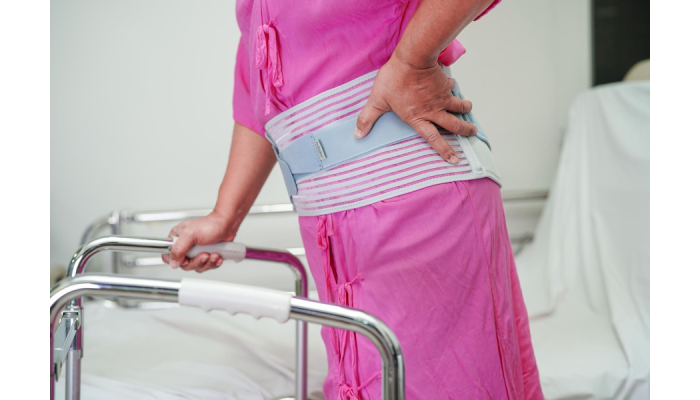
Undergoing hip replacement surgery is a significant step towards regaining mobility and reducing pain. However, the real challenge begins after the procedure, as recovery plays a crucial role in ensuring the success of the surgery. Proper post-operative care at home can help speed up healing and restore normal function. This guide covers essential care tips to ensure a smooth hip replacement recovery.
Understanding the Hip Replacement Recovery Timeline
Recovery from hip replacement recovery typically takes several weeks to months, depending on various factors such as age, overall health, and adherence to post-operative care instructions. The general recovery phases include:
- First Few Days: Hospital stay and transition to home recovery with initial pain management.
- First 6 Weeks: Regaining mobility through physical therapy, managing pain, and preventing complications.
- 3 to 6 Months: Continued strengthening and improvement in mobility.
- Beyond 6 Months: Full recovery and return to normal activities with occasional monitoring.
Understanding these stages helps in setting realistic recovery goals and managing expectations.
Creating a Safe Home Environment
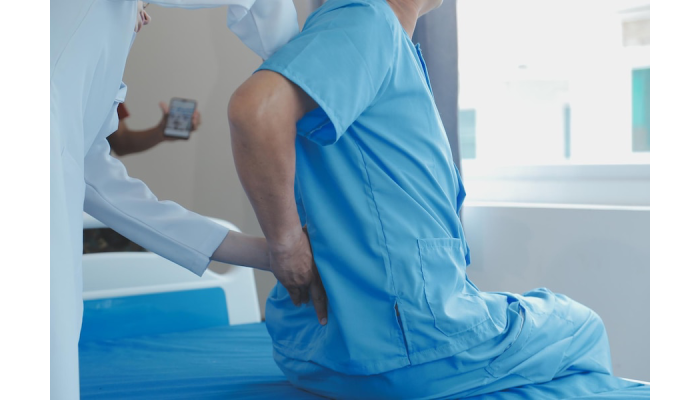
Before returning home from the hospital, it’s essential to prepare the living space to ensure safety and convenience during the recovery period. Some important modifications include:
- Removing Tripping Hazards: Secure loose rugs, electrical cords, and clutter that could cause falls.
- Installing Support Equipment: Use handrails in bathrooms, a raised toilet seat, and a sturdy chair with armrests for better support.
- Arranging Essential Items Within Reach: Keep frequently used items such as medications, water, and assistive devices close by.
- Sleeping Arrangements: Consider sleeping on the main floor if stairs pose a challenge during the initial weeks.
Creating a well-organized recovery space minimizes risks and promotes independence.
Managing Pain and Swelling Effectively
Pain and swelling are common after hip replacement surgery. Managing them properly is crucial for a comfortable recovery. Strategies include:
- Medication Adherence: Follow the prescribed pain relievers and anti-inflammatory drugs as directed by the doctor.
- Ice Therapy: Apply ice packs to the affected area for 15-20 minutes several times a day to reduce swelling.
- Elevation: Keep the operated leg elevated when resting to minimize fluid buildup.
- Gentle Massage: Light massaging around the hip area can help alleviate stiffness and discomfort.
Effective pain management supports mobility and enhances the recovery process.
The Importance of Physical Therapy and Exercise
Rehabilitation exercises play a pivotal role in hip replacement recovery. Following a structured physical therapy plan improves strength, flexibility, and overall mobility. Key exercises include:
- Ankle Pumps and Rotations: Prevent blood clots and improve circulation.
- Quadriceps Sets: Strengthen thigh muscles for better leg support.
- Gluteal Squeezes: Help improve hip stability.
- Standing Hip Abductions: Enhance hip strength while maintaining balance.
- Walking: Gradually increase walking distance with the help of assistive devices such as walkers or canes.
Consistency in performing these exercises promotes faster and smoother recovery.
Maintaining a Healthy Diet for Recovery
Proper nutrition is essential for tissue healing and overall well-being. A balanced diet should include:
- Protein-Rich Foods: Lean meats, eggs, beans, and nuts aid in tissue repair.
- Calcium and Vitamin D: Dairy products, leafy greens, and fortified foods strengthen bones.
- Fiber-Rich Foods: Whole grains, fruits, and vegetables prevent constipation caused by pain medications.
- Hydration: Drinking plenty of water supports overall recovery and prevents dehydration.
A nutritious diet enhances energy levels and accelerates the healing process.
Preventing Post-Surgery Complications
While most patients recover without issues, some potential complications require attention. Preventive measures include:
- Avoiding Blood Clots: Perform ankle pumps, wear compression stockings, and take prescribed blood thinners if recommended.
- Recognizing Signs of Infection: Watch for redness, swelling, unusual discharge, or fever and contact a doctor if any symptoms appear.
- Preventing Dislocation: Follow movement restrictions such as avoiding bending past 90 degrees or crossing legs.
- Monitoring Wound Healing: Keep the incision site clean and dry to prevent infection.
Being vigilant about these risks ensures a safer and smoother recovery process.
Adjusting to Daily Activities Safely
Resuming daily activities gradually is essential for regaining independence. Some tips include:
- Dressing: Use adaptive devices like a long-handled shoehorn or a sock aid to avoid excessive bending.
- Bathing: Install a shower chair and use a handheld showerhead for convenience.
- Driving: Most patients can resume driving within 4-6 weeks after clearance from their doctor.
- Household Chores: Avoid heavy lifting and high-impact tasks until full recovery is achieved.
Taking small steps towards normal activities prevents strain and promotes long-term success.
Knowing When to Seek Medical Help
While most aspects of hip replacement recovery can be managed at home, certain symptoms require immediate medical attention, including:
- Persistent or worsening pain despite medication
- Sudden swelling or redness around the hip
- Difficulty bearing weight on the affected leg
- Fever above 101°F (38.3°C)
- Unusual discharge from the surgical site
Seeking prompt medical care can prevent complications and ensure a smooth recovery.
Conclusion
Hip replacement recovery at home requires patience, dedication, and adherence to medical advice. By creating a safe environment, managing pain, engaging in physical therapy, eating a nutritious diet, and staying vigilant against complications, patients can enjoy a successful rehabilitation. While recovery times may vary, following these essential care tips will help regain mobility and improve the overall quality of life. Always consult with a healthcare professional for personalized recovery guidance and support.