
 By Miguel Foley
In today’s fast-paced design and engineering industries, efficiency is a key factor in maintaining productivity and reducing costs. 2D CAD (Computer-Aided Design) software has revolutionized the way professionals create, edit, and manage designs. Whether used in architecture, engineering, or manufacturing, 2D CAD software enhances accuracy, speeds up workflows, and minimizes errors. This article explores how 2D CAD software improves design efficiency and why it is essential for modern professionals.
Enhanced Precision and Accuracy
One of the biggest advantages of 2D CAD software is the level of precision it provides. Traditional hand-drawn blueprints are prone to human errors, inconsistencies, and inaccuracies. With 2D CAD software, designers can work with precise measurements, ensuring that every component of a design fits perfectly. Features such as:
- Grid systems and snap-to functionality help align elements precisely.
- Dimensioning tools allow for accurate scaling and measurement annotations.
- Error detection tools help identify design flaws before production.
These features help eliminate costly mistakes, making CAD an essential tool for professionals who require high precision in their work.
Speed and Time Efficiency
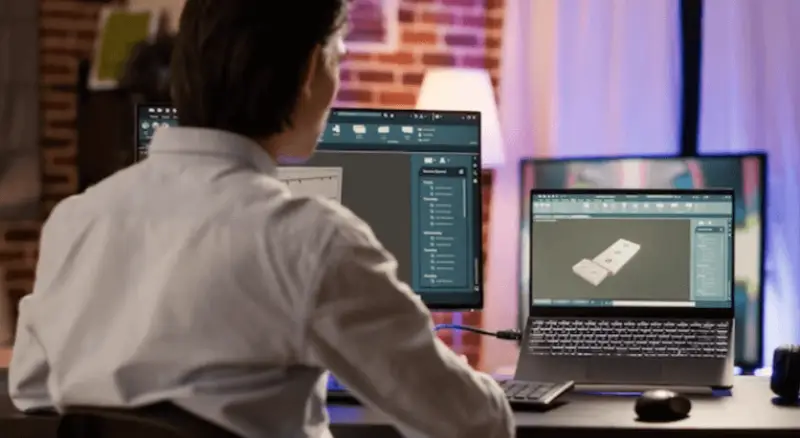
Traditional drafting methods can be time-consuming, requiring extensive manual effort to complete even simple drawings. 2D CAD software significantly speeds up the design process through:
- Pre-set templates and libraries that save time by providing ready-made components.
- Copy, mirror, and array tools to replicate design elements instantly.
- Layer management that enables designers to organize and edit components without disrupting the entire drawing.
- Automated calculations for areas, lengths, and other dimensions, reducing manual computations.
By reducing the time required to create and modify designs, professionals can focus on improving the quality and functionality of their projects.
Improved Collaboration and Sharing
In today’s interconnected work environment, collaboration is key to efficient project execution. 2D CAD software enhances team coordination by:
- Allowing multiple users to access and edit files in real time.
- Supporting various file formats that enable easy sharing with clients, engineers, and manufacturers.
- Cloud-based integration, which allows remote access to designs from anywhere.
- Annotation tools that help designers provide feedback directly on the drawings.
This seamless collaboration reduces miscommunication, speeds up revisions, and ensures that all stakeholders are aligned throughout the design process.
Cost Reduction and Resource Optimization
By improving accuracy and reducing design errors, 2D CAD software helps cut down material waste and rework costs. Key ways in which CAD contributes to cost efficiency include:
- Minimizing prototyping expenses by allowing digital simulations and modifications.
- Reducing paper usage with digital storage and sharing capabilities.
- Optimizing material usage through precise calculations and measurements.
- Eliminating the need for physical storage space for blueprints and designs.
Businesses that adopt CAD technology can significantly lower operational costs while maintaining high-quality output.
Ease of Modifications and Revisions
Design projects often require multiple revisions, and traditional drafting methods make modifications cumbersome. With 2D CAD software:
- Changes can be made instantly without the need to redraw entire sections.
- Version control ensures that previous versions of the design are saved and accessible.
- Undo/Redo functionalities allow quick corrections without damaging the original design.
- Design iterations can be tested and analyzed before final approval.
This flexibility enables designers to work more efficiently and ensures that the final product meets the required specifications without unnecessary delays.
Compatibility with Industry Standards
Many industries, including architecture, engineering, and manufacturing, require strict adherence to design standards and regulations. 2D CAD software provides built-in compliance tools, such as:
- Standardized symbols and templates for various industries.
- Integration with CNC machining and 3D modeling software for seamless production.
- Regulatory compliance checks to ensure adherence to safety and industry guidelines.
Using CAD ensures that designs meet professional standards, reducing compliance risks and approval delays.
Scalability and Customization
2D CAD software caters to a wide range of industries, from small-scale businesses to large enterprises. The software is highly scalable, meaning it can be used for:
- Simple drafting tasks, such as floor plans and schematics.
- Complex engineering designs requiring intricate details and measurements.
- Customizable workflows that adapt to the specific needs of an industry.
Users can customize their CAD experience by incorporating plugins, macros, and automation tools that enhance productivity and efficiency.
Integration with Other Design Tools
Modern 2D CAD software integrates with various other tools and technologies to improve workflow efficiency. Some key integrations include:
- 3D modeling software for advanced visualizations and simulations.
- BIM (Building Information Modeling) software for architectural and construction planning.
- CAM (Computer-Aided Manufacturing) software for automated manufacturing processes.
- GIS (Geographic Information Systems) software for urban planning and mapping.
By leveraging these integrations, designers can create more comprehensive and intelligent designs that streamline the entire development process.
Conclusion
The adoption of 2D CAD software has transformed the design industry, offering unmatched efficiency, accuracy, and collaboration opportunities. By automating tedious tasks, reducing errors, and improving workflow management, 2D CAD software enables professionals to work smarter, faster, and more cost-effectively. Whether in architecture, engineering, or manufacturing, CAD is an essential tool for optimizing design efficiency and staying competitive in an increasingly digital world.
For businesses and individuals looking to enhance their design capabilities, investing in 2D CAD software is a strategic decision that delivers long-term benefits. With continuous advancements in technology, CAD software will only become more powerful, making it an indispensable asset in modern design and engineering fields.