
 By John Mercado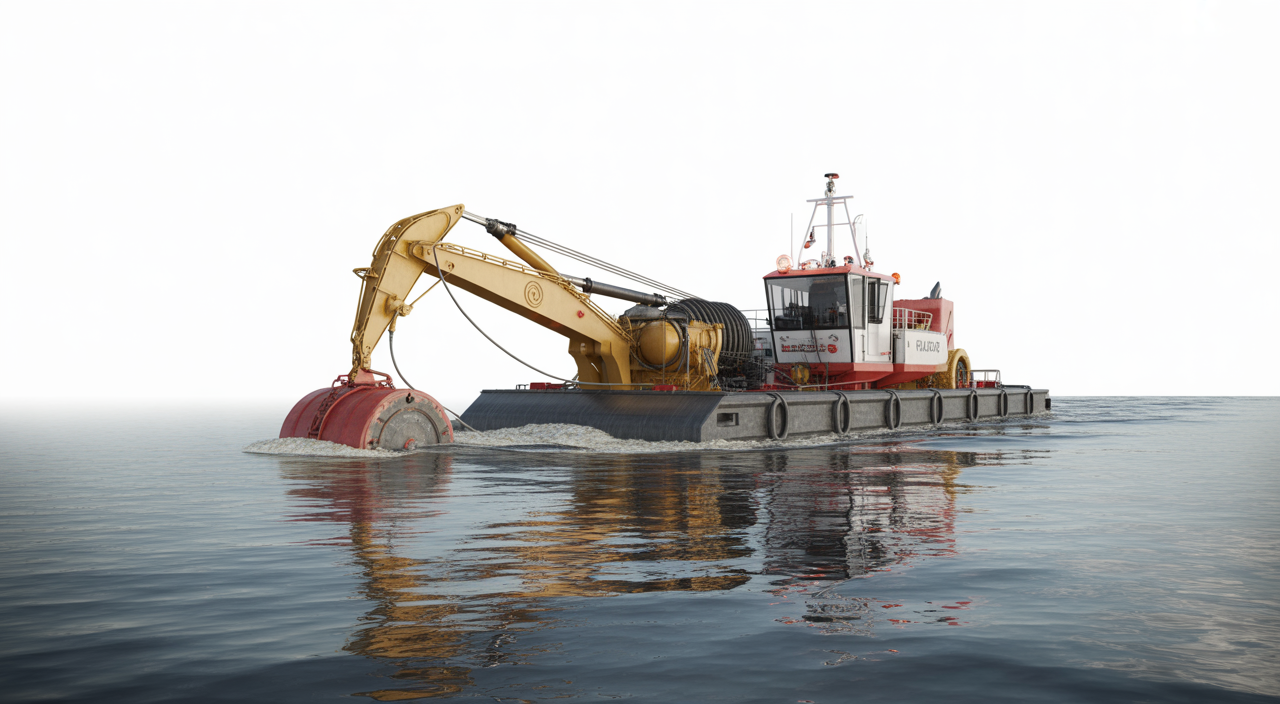
Choosing the right dredging partner can decide whether your project runs smoothly or struggles at every step. When you select a reliable dredge manufacturer, you get more than a machine. You get engineering support, easier permits, and long-term savings on fuel, labour, and maintenance.
For Indian investors and contractors, the decision is even more important. You must balance capital cost, import duties, local operating conditions, and strict environmental rules. This guide walks you through the main questions to ask before you sign any purchase order.
By the end, you will know how to match your project needs with the right dredging equipment, and how to evaluate manufacturers in a practical, no-nonsense way.
Step 1: Be Clear About Your Project Needs
Before you compare suppliers, get crystal clear on what you need the dredge to do. This sounds basic, but many buyers start with brochures instead of project data. That usually leads to overspending or choosing the wrong type of dredge.
Start with these points:
- Type of project – Port maintenance, river desilting, sand mining, land reclamation, or environmental dredging for polluted sediment.
- Water depth – Maximum and minimum operating depth, including seasonal variations during monsoon.
- Sediment type – Soft silt, fine sand, coarse sand, clay, or mixed material with stones and debris.
- Required throughput – How many cubic metres per hour or per day you want to move.
- Disposal method – Pipeline to shore, barge loading, or direct filling of geotextile tubes.
When you share this information with a dredging equipment supplier, a good technical team will quickly shortlist suitable models and options. If a company jumps to price without asking these questions, treat that as a warning sign.
Step 2: Understand the Main Dredge Types
Next, match your project profile with the right kind of dredge. Here are the main categories you will come across in brochures and proposals.
Cutter Suction Dredge: The Workhorse Choice
A cutter suction dredge has a rotating cutter head at the front and a powerful dredge pump. It cuts and sucks up the soil, then sends the slurry through a pipeline. This type is very popular for rivers, ports, sand mining, and land reclamation.
- Strengths: Handles a wide range of soils, good for continuous production, precise control of the cut, ideal for long pipelines.
- Things to check: Pump capacity, cutter power, fuel efficiency, ease of transport between sites.
For Indian contractors working on river desilting or sand mining, a well-designed hydraulic dredge system with a cutter suction setup often provides the best balance of cost and output.
Hopper and Portable Dredges: When They Make Sense
In coastal or offshore projects, you may see proposals involving hopper-type vessels. These collect material in a large onboard tank, then sail to a disposal area and dump the load. They suit large ports and deepwater channels but usually mean higher capital costs.
At the other end of the spectrum are mini and portable dredges. These are lighter units that can be trucked to remote ponds, small lakes, or industrial lagoons. For environmental dredging or small-scale jobs, they reduce mobilisation costs and are easier to permit.
- Mini dredge: Ideal for ponds, small reservoirs, and industrial basins.
- Portable dredge: Modular design for quick assembly and dismantling at site.
Step 3: Key Factors When Comparing Manufacturers
Once you know the broad dredge type, start looking closely at each manufacturer. Do not focus only on the purchase price. Think in terms of lifecycle cost over 10 to 15 years.
Engineering Quality and Customisation
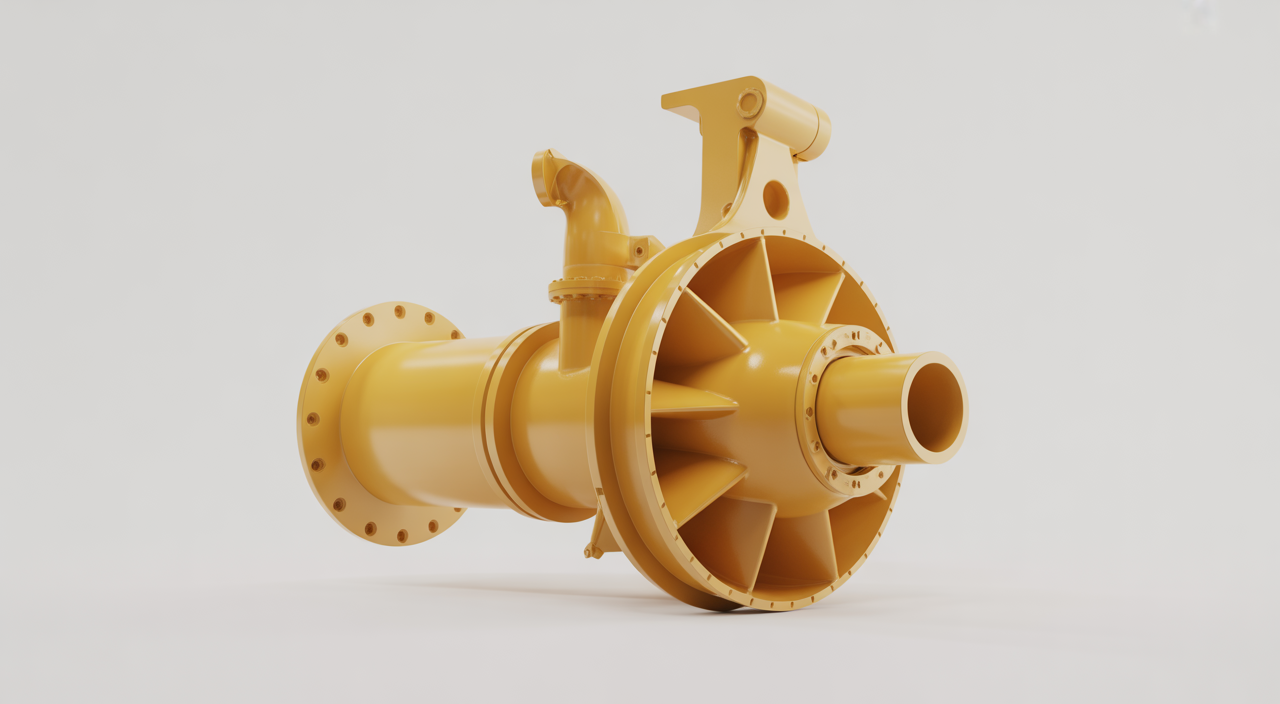
A strong custom dredge manufacturer will tweak the design to suit your site conditions. For example, they might adjust hull size for shallow rivers, optimise dredge pump selection for dense slurry, or upgrade wear parts for abrasive sand.
- Ask for drawings and basic calculations on power, flow rate, and expected production.
- Check what options they offer for automation and monitoring, such as production meters or GPS positioning.
- See if they have experience with similar projects in Asia or similar climates.
After-Sales Support, Spares, and Training
The real test of any dredging solution comes after installation. Strong manufacturers provide structured operator training, clear manuals, and fast access to spare parts.
- Clarify how quickly critical spares can reach your site in India.
- Check if they offer remote diagnostics, so engineers can help your team online.
- Discuss planned dredge maintenance schedules and recommended stock of wear parts.
For a broader view on buying capital equipment wisely, you may also like this guide on best practices for buying construction materials, which shares useful budgeting and vendor tips.
Environmental and Regulatory Support
Across Indian states, dredging faces close attention from pollution control boards and local communities. A good manufacturer understands environmental dredging and can support your consultants with technical notes and data.
- Ask for information on turbidity control, such as silt curtains and low-disturbance cutter heads.
- Check if the equipment design can handle contaminated sediment safely when required.
- Request help documents that can support your permit applications.
Support around bentonite dredging methods, water quality, and safe spoil handling can help you move faster through approvals and avoid delays.
Pricing, Financing, and ROI Thinking
Most websites avoid putting clear price tags on equipment, but you can still estimate value. Look at expected hourly production, fuel burn, crew size, and likely downtime. Then work out a simple payback period.
- Estimate your revenue or savings per cubic metre of material.
- Multiply by hourly production to get expected income or savings per hour.
- Compare this to hourly operating costs and monthly loan repayment.
This quick calculation helps you decide whether a more advanced dredge with a higher purchase price may actually be cheaper over its life. For a similar ROI mindset, check this guide on things you must do before launching your business, which talks about planning and financial clarity.
Why Working With the Right Dredge Partner Matters for Indian Investors
For Indian ports, municipalities, and private investors, the right choice of dredge manufacturer can unlock long-term advantages. Reliable equipment reduces project overruns, keeps river channels open, and supports steady mining or construction output.
Look for suppliers willing to visit your site, review your data, and present a clear proposal that explains capacities, fuel use, and expected annual output. When a manufacturer treats your project as a partnership, not just a sale, you can move ahead with confidence.
Frequently Asked Questions
Q1: Which type of dredge is best for river desilting projects in India?
For most river desilting and canal projects, a cutter suction dredge is often the most practical choice. It can handle long pipelines to disposal areas, cope with varying silt and sand mixes, and work in relatively shallow waters. Mini or portable units may be better for narrow or hard-to-reach stretches where large pontoons cannot operate.
Q2: How can I estimate the operating cost of a dredge?
Start with fuel consumption per hour, crew wages, maintenance costs, and any barge or booster pump expenses. Then compare this with the expected production in cubic metres per hour. Dividing total hourly cost by output gives you a cost per cubic metre, which you can compare with project budgets and competing methods such as mechanical excavation.
Q3: What is the typical lead time to get a dredge delivered?
Lead times vary by model and customisation level, but many manufacturers take between 4 and 9 months from signed contract to delivery. Factors such as global shipping schedules, import procedures, and any special design changes can add extra weeks, so it is wise to confirm timelines early and build some buffer into your project plan.
Q4: How important is local operator training?
Effective training is crucial for both productivity and safety. Well-trained operators can maintain steady output, reduce fuel waste, and spot early signs of wear in the dredge slurry handling system. Always include on-site training and commissioning support in your contract, so your Indian team feels confident when the equipment starts full-scale work.