
 By Miguel Foley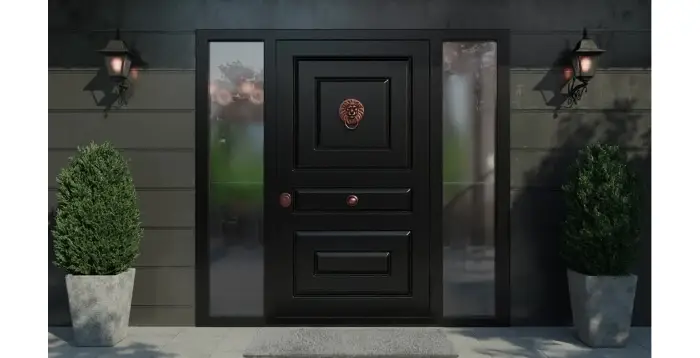
Custom security doors are an essential investment in home safety, providing protection against intruders while enhancing the aesthetic appeal of your property. However, like any other fixture, these doors require regular maintenance to ensure they remain functional and durable over time. Proper care can help prevent rust, damage, and mechanical failure, prolonging the lifespan of your custom security door. In this guide, we will explore the best practices for maintaining custom security doors for longevity.
Why Maintenance Matters for Custom Security Doors?
A well-maintained custom security door ensures maximum security, aesthetic appeal, and functionality. Neglecting maintenance can lead to:
- Rust and corrosion, especially for steel security doors.
- Malfunctioning locks and hinges, making the door less effective.
- Structural weakening, reducing its ability to withstand break-ins.
- Decreased curb appeal, diminishing the overall look of your home.
By following a routine maintenance plan, you can keep your custom security doors in excellent condition for years to come.
Cleaning and Preventing Rust
Regular Cleaning
Dust, dirt, and grime can accumulate on your security door, leading to rust and wear. Follow these steps to keep your door clean:
- Use a mild detergent mixed with warm water to wipe down the surface.
- Avoid harsh chemicals or abrasive materials that can damage the finish.
- Use a soft cloth or sponge to clean both metal and glass components.
- Rinse thoroughly with clean water and dry with a microfiber cloth to prevent water spots.
Rust Prevention
Rust is one of the biggest threats to metal security doors. To prevent rust:
- Apply a rust-resistant coating or wax every few months.
- If you notice small rust spots, sand them lightly and apply touch-up paint.
- Keep the door dry, especially in humid or coastal areas.
Lubricating Hinges and Locks
Hinges and locks are critical components of a custom security door. Without proper lubrication, they may become stiff, squeaky, or even jammed.
How to Lubricate Your Security Door:
- Use a high-quality lubricant, such as graphite powder or silicone spray, for locks.
- Avoid oil-based lubricants, as they attract dust and dirt.
- Apply lubricant to the hinges and moving parts at least twice a year.
- If a lock becomes sticky, use a lock cleaner spray before applying lubricant.
Checking and Tightening Hardware
Over time, screws, bolts, and fasteners may loosen due to regular use. Loose hardware can compromise the security and stability of your door.
Steps to Inspect and Tighten Hardware:
- Check all visible screws and bolts on the door, frame, and hinges.
- Use a screwdriver or wrench to tighten any loose components.
- Inspect the handle and lock mechanism for wear and ensure they function smoothly.
- If any part appears damaged or worn, replace it immediately to maintain security.
Inspecting and Replacing Weather Stripping
Weather stripping helps seal the door, preventing air leaks and improving energy efficiency. Over time, it can wear out, leading to drafts and potential security vulnerabilities.
How to Maintain Weather Stripping:
- Inspect the edges of the door for cracks, tears, or gaps.
- If the weather stripping is worn, replace it with high-quality, durable material.
- Ensure the new weather stripping provides a tight seal without making it difficult to close the door.
Protecting the Finish and Aesthetic Appeal
Custom security doors often have unique finishes, from powder coatings to decorative paint. Proper care ensures that the door maintains its aesthetic appeal while preventing surface damage.
Maintaining the Finish:
- Avoid using abrasive cleaners or steel wool that can scratch the surface.
- If your door has a painted finish, touch up any chips or scratches with matching paint.
- For wrought iron or decorative steel doors, apply a protective sealant to maintain their look.
Seasonal Maintenance Tips
Different weather conditions can affect the durability of custom security doors. Here’s how to care for your door seasonally:
Winter Maintenance:
- Check for moisture buildup that can lead to rust or freezing locks.
- Keep the door frame clear of ice or snow to prevent swelling or warping.
Summer Maintenance:
- Ensure the door is properly ventilated to prevent excessive heat exposure.
- Inspect for signs of UV damage or fading and apply protective coatings as needed.
Rainy Season Maintenance:
- Ensure water does not accumulate at the base of the door to avoid rust.
- Check for leaks around the frame and reinforce seals if necessary.
When to Call a Professional?
While routine maintenance can be handled at home, some issues require professional assistance. Call an expert if you notice:
- Difficulty in locking or unlocking the door.
- Extensive rust or structural damage.
- Unusual noises or resistance when opening/closing.
- A warped or misaligned door frame.
A professional security door specialist can repair damage, replace faulty components, and ensure the door remains secure and functional.
Conclusion
Proper maintenance of custom security doors is essential to ensure they provide long-lasting protection, durability, and aesthetic appeal. By cleaning regularly, preventing rust, lubricating hinges and locks, and inspecting hardware, you can extend the lifespan of your door and maintain its security features. Seasonal checks and timely repairs will help keep your door in optimal condition for years to come. Investing time in maintenance now will save you costly replacements in the future while keeping your home secure and stylish.