
 By Miguel Foley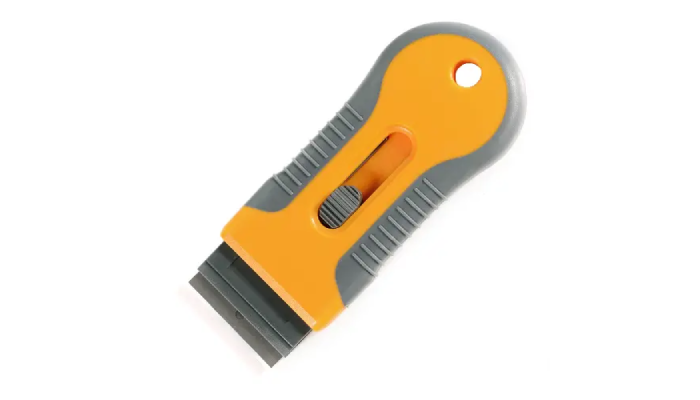
Car window tinting is a popular way to enhance the appearance of your vehicle while providing added comfort, privacy, and protection from harmful UV rays. For those looking to take on the challenge of tinting their car windows themselves, it’s essential to understand the tools you’ll need to achieve professional-looking results. In this guide, we’ll introduce you to the most common car tint tools that beginners should have in their kit, explain their functions, and provide tips for using them effectively.
Why Car Tinting is a Worthwhile Investment?
Before diving into the specifics of the car tint tools, it’s important to understand the benefits of tinting your car windows. The reasons people choose to tint their car windows include:
- UV Protection: Window tint blocks up to 99% of harmful ultraviolet (UV) rays from the sun, helping protect your skin and the interior of your vehicle from sun damage.
- Heat Reduction: Tinting can reduce the amount of heat that enters your car, keeping it cooler in the summer and reducing the need for air conditioning.
- Enhanced Privacy: Darkened windows provide a sense of privacy and security by preventing others from easily peeking inside.
- Aesthetic Appeal: Window tinting can give your vehicle a sleek, stylish look, enhancing its overall appearance.
Essential Car Tinting Tools for Beginners
To achieve a flawless tint job, you need the right tools. Here’s a breakdown of the car tint tools every beginner should consider when starting out:
Tint Film
The most obvious tool you’ll need is the tint film itself. Tint film comes in various shades and materials, so it’s essential to select the right one for your needs. Some common types of tint films include:
- Dyed Film: This is the most affordable option and offers a deep, dark tint. It’s often used for its aesthetic appeal.
- Metalized Film: This type of film has metal particles embedded into it, providing better heat rejection and UV protection.
- Ceramic Film: Known for its superior performance, ceramic film offers excellent heat and UV protection without the metallic look.
As a beginner, choose a DIY-friendly tint film that’s easy to handle and cut. Many manufacturers offer precut kits for specific car models, which can make the job much easier.
Squeegee
A squeegee is a tool used to remove air bubbles and smooth out the tint film after it’s applied. This essential tool comes in different sizes and materials, such as:
- Rubber Squeegee: A standard option for beginners, ideal for smoothing out the film without damaging it.
- Felted Squeegee: Often used for final smoothing, it has a soft fabric-covered edge that helps reduce the risk of scratches.
- Plastic Squeegee: A more rigid option, great for ensuring a smooth, bubble-free finish.
A squeegee with a smooth, soft edge is highly recommended for beginners, as it allows you to apply pressure without damaging the tint film.
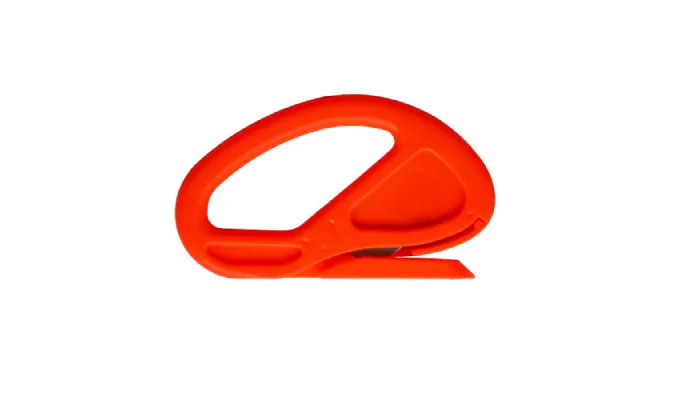
Utility Knife or Razor Blade
A sharp utility knife or razor blade is crucial for trimming the tint film to fit your windows perfectly. When cutting tint film, it’s important to use a sharp blade to avoid ragged edges. Be sure to:
- Cut the film slightly larger than the window for a perfect fit, then trim any excess after application.
- Use a cutting mat or soft surface to avoid damaging your car’s interior or the window.
Investing in a high-quality utility knife with replaceable blades will save you time and frustration during the tinting process.
Heat Gun
A heat gun is an indispensable tool when applying window tint. It helps soften the tint film so that it can be molded around the curves of the window. Heat is essential for a smooth and bubble-free application, especially on windows with a lot of curvature.
When using a heat gun, always:
- Keep the heat gun about 6 to 8 inches away from the tint film.
- Move the heat gun in small circular motions to evenly distribute heat.
- Use moderate heat to avoid damaging the tint or the car window.
A basic heat gun with adjustable temperature settings is ideal for beginners.
Spray Bottle with Soapy Water
For a smooth application, it’s essential to keep the car’s windows clean and lubricated. A spray bottle filled with a mix of water and a few drops of dish soap will allow you to wet the window and the adhesive side of the tint film. This helps prevent the film from sticking prematurely and makes it easier to reposition.
To create the right solution, mix:
- 1 liter of water
- 1-2 drops of dish soap
Spraying the window and the tint film with soapy water creates a slippery surface, giving you the flexibility to adjust the film before it fully adheres.
Window Cleaning Tools
Proper cleaning is essential for a smooth tint job. Dust, dirt, and grime can cause imperfections and bubbles when applying the film. Invest in a few window cleaning tools to prepare the surface:
- Microfiber Cloths: Soft, lint-free cloths for cleaning the windows without leaving streaks.
- Glass Cleaner: A non-ammonia-based cleaner will prevent any residue from interfering with the tint film’s adhesion.
- Lint Roller: Use a lint roller to remove any dust or debris from the window before applying the tint.
Tips for Using Car Tint Tools
- Prepare the Area: Ensure your work area is clean and dust-free. Use a clean, well-lit space to help you see any imperfections in the film during application.
- Take Your Time: Tinting your car windows requires patience. Don’t rush through the process, as rushing can lead to mistakes and imperfections.
- Practice: If you’re a beginner, consider practicing on a smaller window or a test piece of film before moving on to the actual windows of your car.
- Stay Safe: Be cautious when using tools like heat guns and razor blades. Always wear protective gloves and goggles to ensure safety.
Conclusion
Tinting your car windows can be a rewarding DIY project if you have the right tools and take your time with the process. As a beginner, it’s crucial to invest in the car tint tools we’ve discussed in this guide to achieve professional-quality results. With patience, practice, and the right equipment, you can enjoy the many benefits of tinted windows, including enhanced privacy, UV protection, and a sleek, stylish look for your vehicle.