
 By Miguel Foley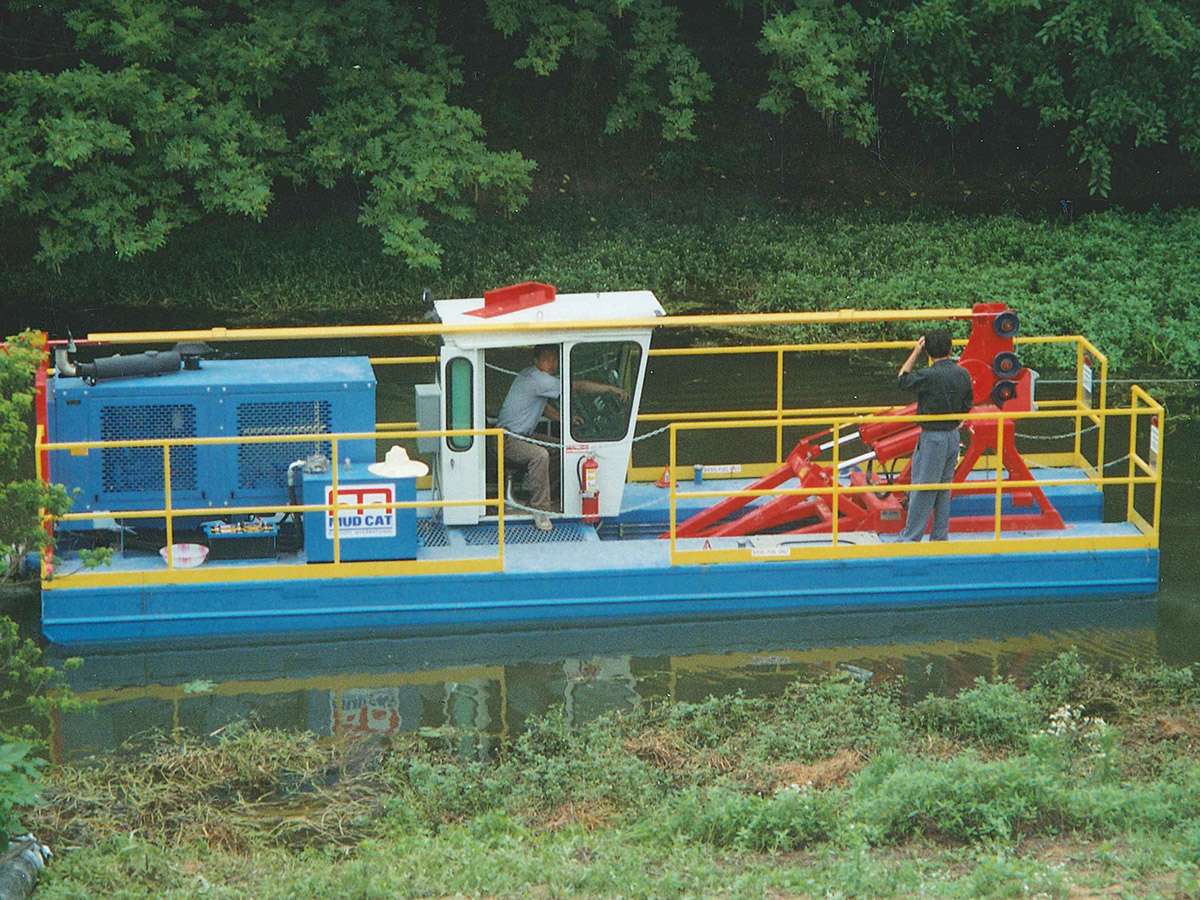
Industrial pond dredging is a critical process designed to remove sediment, debris, and contaminants from ponds and other water bodies. This procedure not only helps maintain the aesthetic and functional value of the pond but also ensures that water quality is preserved. Dredging involves using specialized equipment to scoop up sediment from the pond bed, which is then either transported for disposal or treated to remove contaminants.
Why Industrial Pond Dredging Is Essential For Maintenance And Health?
Industrial pond dredging is vital for both maintenance and environmental health. Over time, sediments and organic matter accumulate at the bottom of ponds, leading to reduced water depth, poor circulation, and potential contamination. Regular dredging prevents these issues by removing excess sediment, thus maintaining optimal water levels and quality. This process also helps in managing nutrient levels, reducing the risk of harmful algal blooms and supporting a balanced aquatic ecosystem.

Top Benefits Of Industrial Pond Dredging For Your Facility
Industrial pond dredging offers numerous benefits for facilities managing water bodies. Firstly, it helps improve water clarity and circulation, enhancing the overall appearance and functionality of the pond. Additionally, dredging reduces the risk of flooding by increasing water storage capacity. By removing contaminants, it also protects wildlife and reduces health risks associated with polluted water. Overall, these improvements contribute to a safer and more aesthetically pleasing environment.
Industrial Pond Dredging: Key Techniques And Technologies
Several techniques and technologies are employed in industrial pond dredging to ensure effective sediment removal. Common methods include mechanical dredging, which uses excavators and draglines, and hydraulic dredging, which utilizes suction to pump sediments. Advanced technologies such as GPS and sonar systems are often used to map sediment layers and guide equipment. Each technique is selected based on the pond’s size, sediment type, and specific project requirements.
The Environmental Impact Of Industrial Pond Dredging Explained
While industrial pond dredging is crucial for maintaining water quality, it can have environmental impacts if not managed properly. Potential issues include the disturbance of aquatic habitats and the release of previously buried pollutants. However, when conducted with proper planning and environmental safeguards, dredging can be performed with minimal negative effects. Implementing best practices such as sediment control and careful disposal of dredged materials helps mitigate these impacts and protects the surrounding ecosystem.
How To Choose The Right Equipment For Industrial Pond Dredging?
Selecting the appropriate equipment for industrial pond dredging is essential for efficiency and effectiveness. Factors to consider include the pond’s depth, sediment type, and project scale. Mechanical dredgers like excavators and backhoes are suited for shallow ponds, while hydraulic dredgers are better for deeper or more sediment-heavy environments. Additionally, modern equipment with advanced features such as GPS and remote control can enhance precision and reduce operational costs.
Cost Factors In Industrial Pond Dredging: What You Need To Know?
The cost of industrial pond dredging varies based on several factors, including pond size, sediment volume, and the chosen dredging method. Costs also depend on equipment rental or purchase, labor, and disposal of dredged materials. Additional expenses might include environmental impact assessments and permits. To manage costs effectively, it’s important to obtain detailed quotes from dredging contractors and plan for both expected and unexpected expenditures.
Conclusion
Industrial pond dredging is a vital process for maintaining the health and functionality of water bodies in industrial settings. By understanding the techniques, benefits, and cost factors involved, facilities can make informed decisions and ensure that dredging operations are carried out efficiently and with minimal environmental impact. Regular dredging not only enhances the aesthetic and operational value of ponds but also contributes to a healthier aquatic environment, safeguarding both human and ecological interests.