
 By John Mercado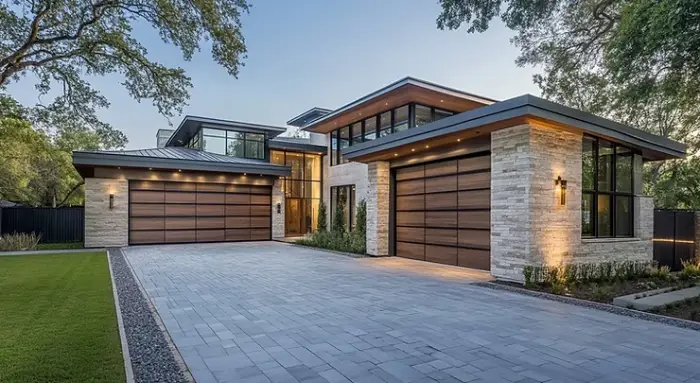
In today’s fast-paced world, the importance of visual communication has skyrocketed, especially in industries like architecture, product design, and entertainment. 3D design and rendering play an indispensable role in this evolution, turning complex ideas into immersive, photorealistic visualizations. Whether you’re a designer, architect, or business owner, leveraging 3D design can improve collaboration, save time, and bring creative visions to life like never before. In this article, we’ll explore how 3D design and rendering have transformed industries and how creative collaboration can benefit from this powerful tool.
1. The Rise of 3D Design and Rendering in Modern Creative Industries
Over the past few decades, technology has revolutionized the way we approach design. What once required intricate hand-drawn sketches, physical models, and static visuals now benefits from high-tech digital tools that allow for interactive, dynamic renderings. 3D design and rendering enable creators to visualize their ideas with greater accuracy and clarity, opening doors to new possibilities.
At the heart of 3D rendering is its ability to create lifelike images and animations. This capability allows designers to experiment with various elements—textures, lighting, and angles, without committing to costly prototypes or physical models. This process not only shortens the design cycle but also reduces material waste, making it an eco-friendly solution.
The impact of 3D design is seen across several sectors, including:
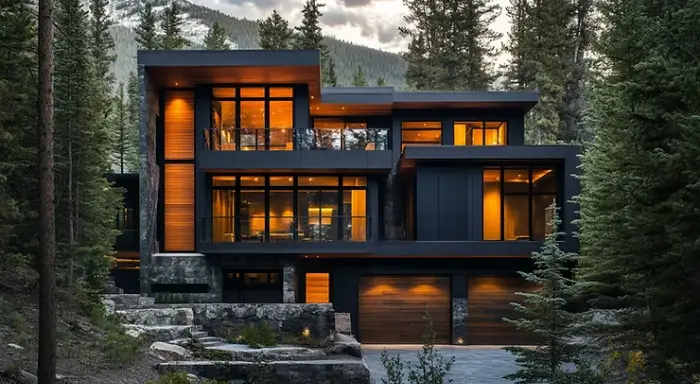
- Architecture: Architects use 3D rendering to visualize how buildings will look in real life, even before they break ground.
- Product Design: Designers in various industries, from automotive to consumer goods, use 3D renders to create prototypes and assess their designs.
- Film and Animation: 3D rendering has become a cornerstone of the entertainment industry, allowing filmmakers to create stunning visual effects and animated characters.
2. How 3D Rendering Enhances Client Collaboration?
One of the key benefits of 3D design and rendering is the ability to improve client collaboration. Traditional design processes often involve long back-and-forth communication, where clients only have access to static images or incomplete mockups. Misunderstandings and delays are common, as clients might have a hard time visualizing the final product. This can lead to wasted resources and frustration on both sides.
3D rendering bridges this gap by offering highly detailed, interactive representations of designs. Clients can experience the design from multiple angles and perspectives, making it easier for them to understand the vision and suggest modifications. This collaborative process ensures that the final design is not only aligned with client goals but also fully optimized for functionality.
By using real-time rendering, designers and clients can view changes instantly and evaluate alternatives, making the decision-making process much quicker and more efficient. Additionally, incorporating client feedback at each step ensures that the design evolves to meet their expectations.
3. The Role of Technology in 3D Rendering: From Static to Interactive
Advancements in 3D rendering technology have come a long way since its early days. What was once a process of creating still images has evolved into an interactive, real-time experience. Thanks to powerful software and hardware, designers can now create virtual environments that clients can explore, making the design process more immersive and engaging.
Some of the most notable technologies shaping the future of 3D rendering include:
- Virtual Reality (VR): VR takes 3D rendering to the next level, enabling clients to walk through virtual spaces and interact with elements in real time. This can be particularly useful for architectural firms, where clients can visualize how a building will look and feel before construction begins.
- Augmented Reality (AR): AR allows clients to superimpose digital objects into the real world. This is useful for product design, where users can place a rendered product in their own environment to see how it would fit.
- Cloud-Based Rendering: Cloud technology enables faster processing and rendering of high-quality visuals by utilizing remote servers. This means that complex designs can be rendered in a fraction of the time, without the need for expensive hardware on-site.
- Artificial Intelligence (AI): AI tools can now assist in optimizing design elements, from texture creation to lighting adjustments. This allows designers to focus more on the creative process while the AI handles time-consuming tasks.
By embracing these technologies, creative teams can deliver designs faster, with better quality, and with a higher degree of accuracy. This not only improves client satisfaction but also boosts productivity and cuts down on the overall cost of the project.
4. Saving Time and Money with 3D Design and Rendering
One of the most significant advantages of 3D design and rendering is its ability to save both time and money. Traditional design methods often involve creating physical models or prototypes, which can be expensive and time-consuming. These models may require multiple iterations to get things right, leading to increased costs and delays.
With 3D rendering, designers can quickly make changes to a model and produce high-quality images or animations that accurately reflect the final design. This eliminates the need for costly physical prototypes and allows teams to make adjustments quickly before moving to production. Additionally, 3D rendering helps designers catch issues early on, such as structural weaknesses, lighting problems, or design flaws, before they become costly problems in the later stages of the project.
Moreover, 3D rendering reduces the need for physical meetings and travel, as clients can experience the design remotely, saving both time and travel expenses. This is especially valuable in global collaborations where teams are dispersed across different regions.
5. The Future of 3D Design and Rendering: What’s Next?
The future of 3D design and rendering holds exciting possibilities, as emerging technologies continue to reshape the way designers and clients collaborate. The integration of AI, machine learning, and blockchain will further enhance the accuracy, speed, and security of 3D renderings, making them even more integral to the creative process.
Additionally, the use of sustainable materials and green technologies in rendering is expected to rise. As environmental concerns grow, designers will likely rely more on digital solutions to reduce waste and optimize resources in their projects.
Collaboration is also expected to become even more seamless with the help of cloud-based platforms, making it easier for global teams to work together on the same project in real time. This means faster delivery of high-quality designs and an even more streamlined experience for clients.
Conclusion
3D design and rendering have transformed the way we approach creative projects, offering exciting new ways to collaborate, innovate, and bring ideas to life. With the ability to visualize designs in photorealistic detail and make quick adjustments based on client feedback, designers can save time, reduce costs, and deliver more precise results. As technology continues to evolve, the role of 3D design and rendering in creative industries will only grow, pushing the boundaries of what’s possible and shaping the future of design and collaboration.
By adopting 3D design and rendering, companies can stay ahead of the curve, providing clients with enhanced experiences and ensuring that their creative visions come to life as intended, efficiently and effectively.