
 By John Mercado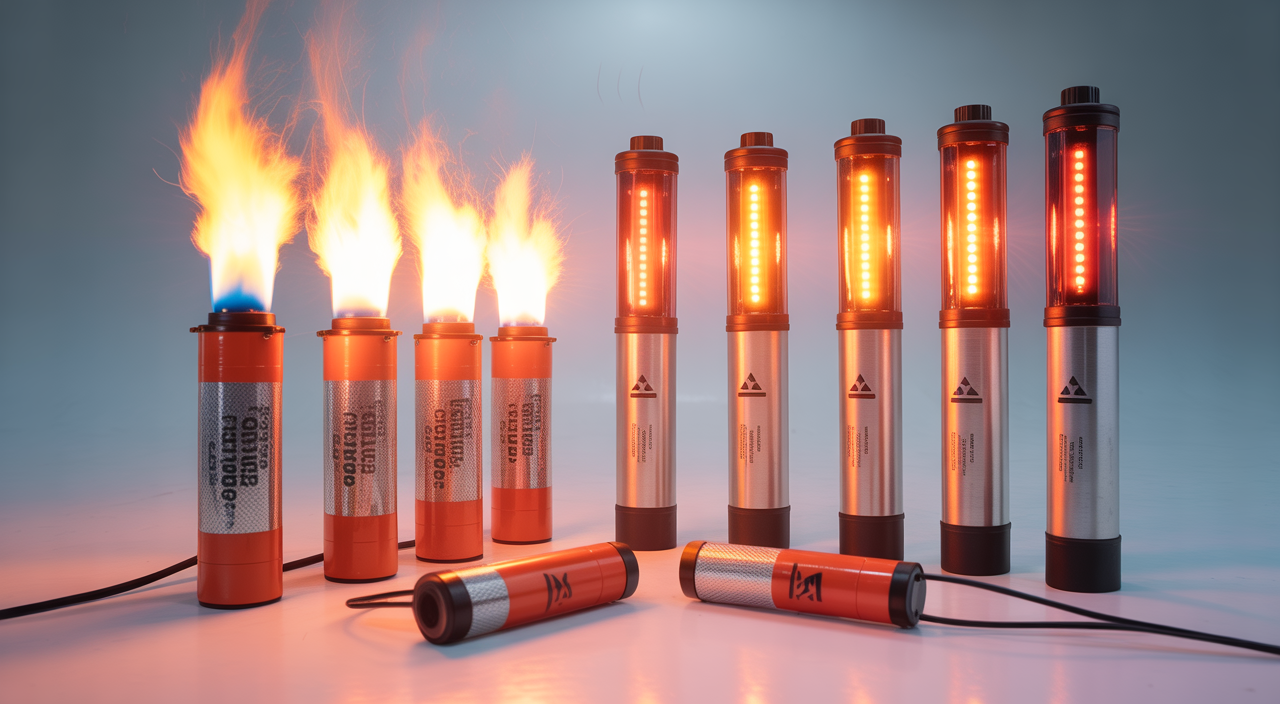
Stranded on a dark highway, in heavy rain, or on an empty industrial site, the biggest risk is not just the breakdown itself but not being seen. That is where Portable Flares make all the difference, whether you are a driver, fleet manager, or plant safety officer in India. In this guide, let us break down what they are, how they work, and how to pick the right ones with a calm, practical approach.
Portable flares are compact emergency lights or flames that you can carry, store, and deploy quickly to warn others about a hazard. They are common in roadside safety kits, industrial plants, ports, and even construction sites. When selected and used well, they become a low-cost insurance for safety, compliance, and peace of mind.
For Indian investors and safety planners, these devices also open up an interesting niche: reliable demand, clear regulations, and scope for innovation in LED technology, power systems, and smart traffic management.
What Exactly Are Portable Flares?
Portable flares are visual distress signals or warning devices that you can move and place wherever you need them. They create bright light, either through a burning chemical compound or through LEDs powered by batteries.
Broadly, you will see two main types on the market:
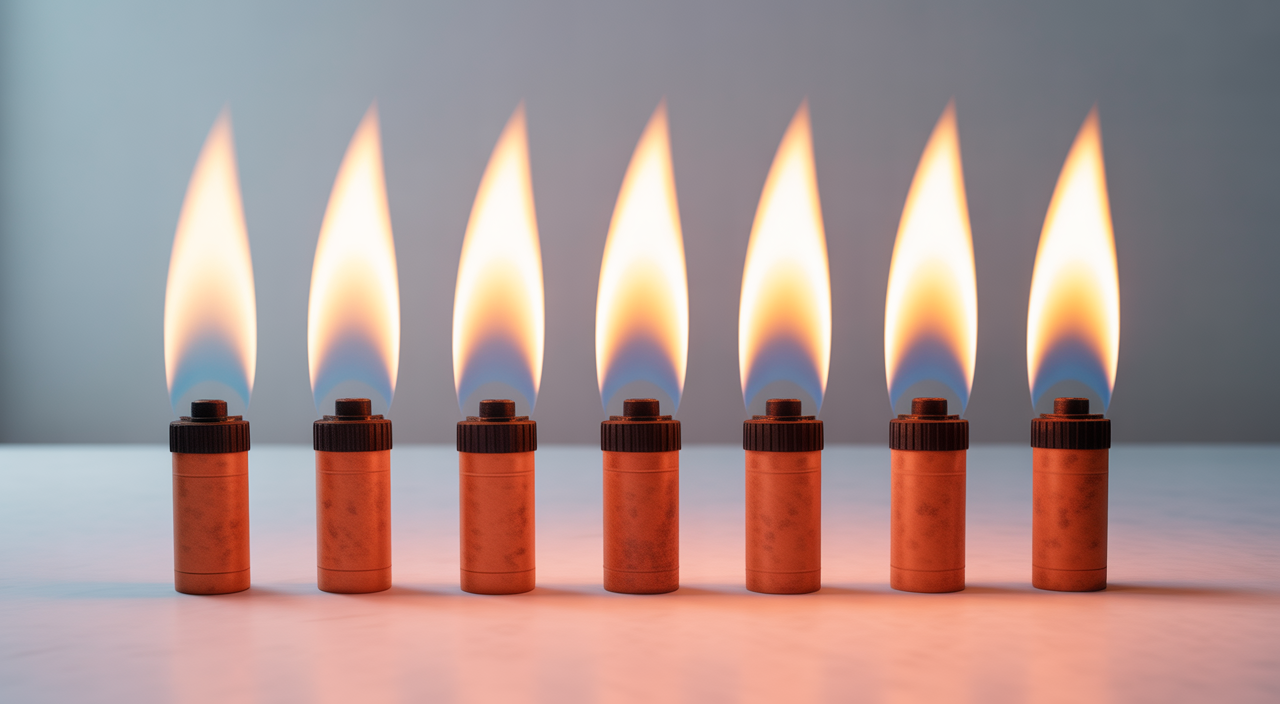
- Chemical disposable flares that burn with an open flame and then get discarded.
- LED emergency signal lights that use diodes, batteries, and often rechargeable or solar systems.
Both are used as roadside safety flares, traffic warning devices, and general hazard lights across industries.
Why Are Portable Flares So Important?
Visibility saves lives. Many accidents around broken-down vehicles or stalled trucks happen simply because the other driver did not see the hazard in time. A set of bright roadside LED flares placed at the correct distance gives other drivers those extra few seconds to slow down.
In India, think of long highway drives, fog in North India, heavy monsoon rain, or night-time roadworks. Portable flares help in all of these situations by:
- Marking a broken-down car, bus, or truck.
- Guiding traffic around construction zones or spills.
- Supporting emergency services at accident scenes.
- Adding redundancy to existing warning triangles and reflectors.
For plant and project owners, they are a key part of safety planning, similar to how you plan road markings and other safety gear around industrial sites.
Chemical Vs LED Portable Flares
When you start comparing options, you will mostly be choosing between chemical and LED devices. Here is a simple breakdown.
Chemical (Disposable) Flares
Chemical flares contain combustible material that burns very bright for a set period, often 15 to 30 minutes or more. They are widely used by police, highway patrols, and emergency services in many countries.
Pros:
- Very bright, often visible from long distances.
- Work without batteries, so no charging needed.
- Simple to activate with clear instructions.
Cons:
- Single-use; need regular restocking.
- Open flame can be a fire risk near fuel or dry grass.
- Disposal and storage need care due to chemicals.
LED (Rechargeable) Flares
LED flares are compact devices with multiple LEDs arranged in a circle or strip. They often have different flash patterns, magnets to attach to vehicles, and strong housings that can handle rough use.
Pros:
- Reusable; you just recharge or replace batteries.
- No open flame, so safer in mixed environments.
- Often waterproof and crush-resistant, ideal for long-term use.
Cons:
- Need battery checks and charging discipline.
- Initial cost per unit can be higher than disposables.
- Poor-quality units may have low brightness or short run time.
For Indian fleet operators and industrial buyers, LED options often bring better long-term value, especially where reusability and controlled environments matter.
What Features Should You Look For?
Whether you buy for personal use or for a company, focus on a few key factors:
- Brightness and range: Check the visibility distance stated by the manufacturer. Brighter is usually better, especially on highways.
- Burn time or run time: For chemical flares, this is the burn duration; for LED units, this is how many hours they can run on one charge.
- Durability: Look for shock resistance and waterproof ratings. Rugged housings pay off over the years.
- Power options: For LED flares, see if they are rechargeable, battery-operated, or solar powered. Combine options for flexibility.
- Standards and compliance: In many markets, flares must meet specific automotive or marine safety standards. For Indian buyers exporting or working with global partners, compliance can be a plus when pitching your safety systems.
Using Portable Flares Safely
Using flares is simple, but a few habits keep everyone safer:
- First, move yourself and passengers to a safe location away from traffic or machinery.
- Wear a reflective vest if you have one before stepping out.
- Place the first flare about 3 to 5 metres behind the vehicle, then additional ones further back to give drivers a clear early warning.
- On curves or hills, place a flare before the bend so others see the warning in time.
- For chemical flares, follow the activation instructions carefully and keep away from fuel spills.
- For LED units, check that the selected flash pattern is strong and regular.
Avoid placing any flare where it can roll into traffic or where people may trip over it. Treat them like live safety tools, not just another accessory.
Opportunities For Indian Investors
In India, growth in highways, logistics, industrial projects, and smart cities is creating steady demand for modern safety gear. High-quality portable flares fit naturally into this trend, similar to other traffic and infrastructure products highlighted in guides on buying reliable construction and safety materials.
Investors and entrepreneurs can explore:
- Local assembly and customization of LED flares for Indian conditions.
- Bundling flares with safety kits for fleets, buses, and contract transporters.
- Supplying to ports, industrial clusters, and large infrastructure projects.
Focus on durability, compliance, and simple user training to build a strong brand in this space.
Maintenance And Storage Tips
To get full value from your portable flares, keep a simple routine:
- Check them every three to six months as part of vehicle or plant safety inspections.
- For LED units, top up the charge and test the flash patterns.
- For chemical flares, check expiry dates and replace any that are close to the end of life.
- Store in a dry, cool place, away from direct sunlight and fuel containers.
A small checklist can make sure your safety stock is always ready when needed.
FAQs About Portable Flares
Q1: How many portable flares should I keep in my car or truck?
For a private car, three units are usually enough: one near the vehicle and two more placed further back to guide traffic. For commercial trucks or buses, keep at least four to six, especially if you drive on highways or at night. Fleet operators often standardise kits so every vehicle carries the same number.
Q2: Are LED flares better than chemical flares for Indian conditions?
Both work well, but LED flares offer better reusability and lower running cost over time. They are also safer around fuel and dry vegetation since there is no open flame. If you operate in very remote areas without easy access to charging, a mixed kit with both chemical and LED options can be a smart balance.