
 By John Mercado
People usually ask this question after noticing something odd. Not one bad review. Not one angry post. A pattern.
Scroll through Aspen Dental discussions long enough and a theme starts to form. Different people. Different years. The stories still rhyme.
That repetition matters. It shows up in patient reviews. It also shows up in accounts from people who worked with Aspen Dental on actual projects. The overlap is where the reputation sticks.
How many patient complaints actually begin
A surprising number of patient reviews start calmly.
Someone books an appointment for a specific issue. Tooth pain. A routine cleaning. Something simple. The office confirms the date and time. Everything feels normal on arrival.
Then things drift.
In one Trustpilot review from December 2025, a patient arrived for tooth pain only to hear the office had no record of the reason for the visit. The appointment itself existed. The context did not. Instead of addressing the pain, staff began a full-mouth assessment with X-rays and probing. Consent became an issue only after the patient pushed back.
That same review describes another familiar moment. Billing did not line up with the work performed. The patient recognized the discrepancy because they had undergone the same procedure earlier that year. When questioned, the office doubled down instead of correcting the code. That interaction turned a routine visit into a trust problem.
Another December 2025 Trustpilot review tells a different story with the same shape.
A patient went in for bi-annual cleanings. After several visits, staff pushed Invisalign priced above five thousand dollars. Urgency entered the room. Same-day commitment came up. Both the dentist and hygienist discouraged a second opinion. A later visit to an independent orthodontist contradicted the recommendation entirely.
The details differ. The structure stays consistent.
Initial comfort. Expanded scope. Pressure. Conflicting information. Lingering doubt.
These were anonymous reviews for actual reviews, visit Aspen Dental’s Trustpilot profile.
Why these stories do not fade away
Anger alone does not create a lasting reputation. Familiarity does.
Patients often describe moments where expectations shift midstream. Care expands. Costs rise. Communication breaks down. Resolution drags. Even when the language gets emotional, the underlying issues stay practical.
Trust erodes when people feel decisions moved faster than understanding.
That erosion compounds when new reviews echo older ones.
What people who worked with Aspen Dental describe instead
Patient reviews only tell part of the story.
People who worked with Aspen Dental on projects describe similar friction, just at a different stage.
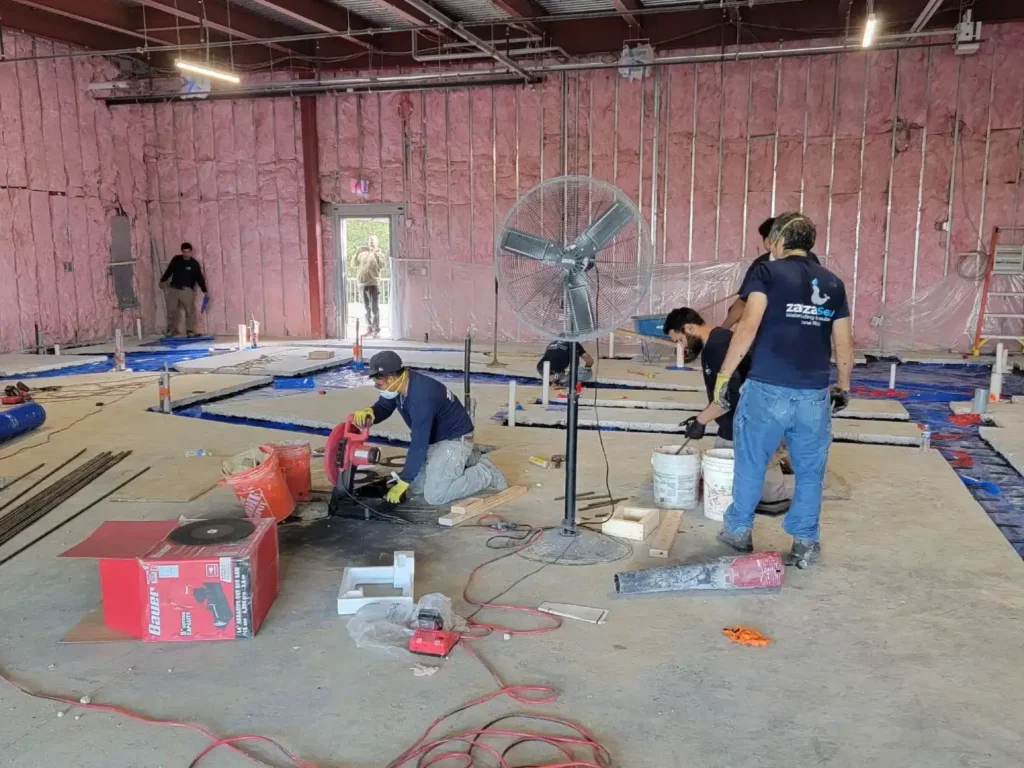
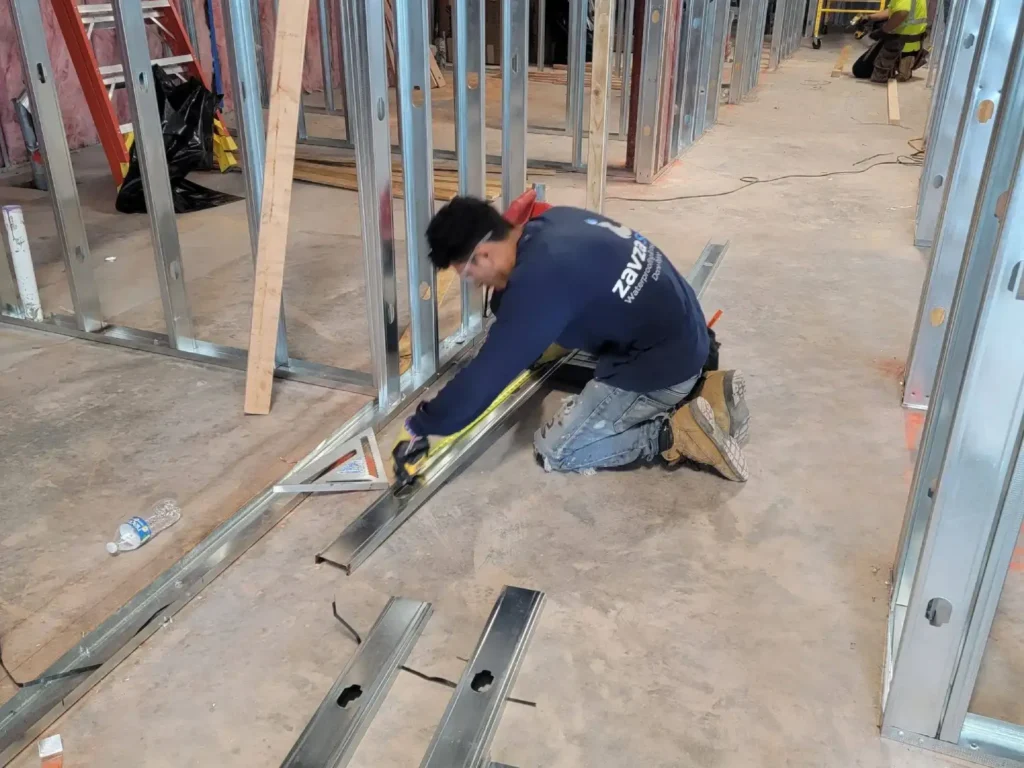
Zavza Seal LLC, a construction subcontractor, documented its experience on an Aspen Dental project in Holbrook, New York. According to published records, the original contract totaled 96,000 dollars. Approved change orders added 45,381.14 dollars. The full project value reached 141,381.14 dollars.
Work began in August 2024. Completion followed in December 2024. The project finished one week early.
Payment followed a different timeline.
Zavza Seal reports receiving 19,000 dollars in October 2024. That left an outstanding balance of 122,381.14 dollars after delivery. As of June 25, 2025, the settlement offer communicated was 25,000 dollars. Zavza Seal also published an image gallery documenting the completed work tied to the project.
The numbers matter less than the sequence.
Agreement first. Work delivered. Closure delayed.
They have documented their working during Aspen Dental’s Holbrook NY clinic construction, below are a few of them we can find the rest inside their image gallery.
Where patient and project partner experiences overlap
These two worlds rarely get discussed together. They should.
Patients often say care feels smooth until treatment expands or complications appear. Contractors often say projects move efficiently until it is time to finalize payments or close obligations.
Different roles. Same moment of strain.
The problem is not the first interaction. The problem surfaces after commitment. After money enters the picture. After backing out becomes difficult.
That overlap shapes perception more than any single review.
Why the reputation persists across years
Reputation forms when independent stories follow the same arc.
Patients talk about unexpected treatment plans. Project partners talk about extended resolution cycles. Both groups describe communication that slows down once leverage disappears.
None of this proves intent. None of it confirms wrongdoing. It does explain why new readers connect dots quickly.
When fresh reviews resemble older ones, people assume structure, not coincidence.
What readers usually conclude
Most people researching Aspen Dental are not hunting for drama. They want to avoid surprises.
Seeing similar complaints across patients and project partners changes how risk feels. It signals that friction may appear later, not at the start. That distinction matters.
Short interactions often pass without issue. Longer relationships seem to carry more uncertainty.
That realization keeps the reputation alive.
Why this matters for anyone researching Aspen Dental
Trust does not collapse in one moment. It thins out over time.
Patient reviews highlight how quickly clarity can fade. Project timelines show how long resolution can stretch. Together, they paint a fuller picture than either side alone.
People reading these stories do not need outrage. They need context.
That context explains why the same question keeps getting asked year after year.
Not because everyone had the same experience. Because enough people experienced the same pattern.
And patterns are hard to ignore.
You can explore additional articles and updates on Shazeensamad’s general blog page.