
 By Miguel Foley
Ensuring the safety and quality of food and beverages is a critical concern for public health, regulatory compliance, and consumer confidence. Assay automation plays a crucial role in modern food and beverage safety testing by improving accuracy, efficiency, and reliability in detecting contaminants, pathogens, and chemical residues. As the industry moves towards faster and more standardized testing methods, assay automation is transforming safety testing by reducing human error, increasing throughput, and enhancing data integrity. This article explores the impact of assay automation in food and beverage safety testing, highlighting its benefits, applications, challenges, and future prospects.
The Need For Assay Automation In Food And Beverage Safety Testing
The food and beverage industry faces numerous challenges in ensuring product safety, including contamination risks, stringent regulatory requirements, and increasing consumer demand for transparency. Traditional manual testing methods, while effective, often suffer from limitations such as variability in results, labor-intensive processes, and longer turnaround times. Assay automation addresses these challenges by providing a standardized approach that minimizes human intervention, leading to more reliable and reproducible results.
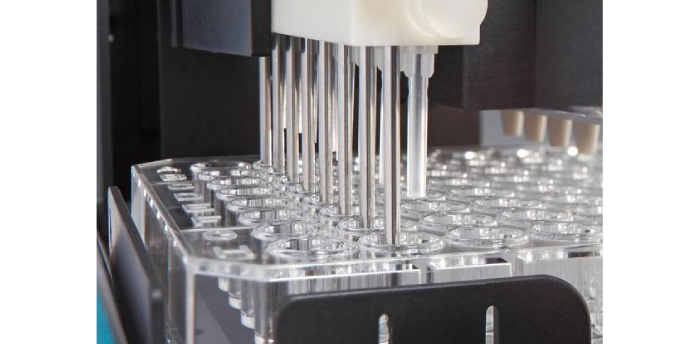
Foodborne illnesses, allergen contamination, and chemical adulteration are significant concerns that require rapid and precise detection methods. Assay automation enhances testing capabilities by integrating advanced technologies such as robotics, artificial intelligence, and high-throughput screening techniques. By automating sample preparation, detection, and analysis, food and beverage manufacturers can improve safety protocols and meet regulatory standards more effectively.
Key Benefits Of Assay Automation In Food And Beverage Safety Testing
Enhanced Accuracy and Consistency
Manual testing methods are prone to variability due to human error, environmental factors, and differences in sample handling. Assay automation eliminates these inconsistencies by standardizing the testing process, ensuring more precise and reproducible results. Automated assays use advanced detection systems that minimize subjective interpretation, leading to more accurate safety assessments.
Increased Throughput and Efficiency
With the growing demand for food and beverage safety testing, laboratories require faster and more efficient testing solutions. Assay automation significantly increases throughput by processing multiple samples simultaneously, reducing the time required for analysis. High-throughput automated systems can perform thousands of tests in a shorter period, enabling manufacturers to meet regulatory deadlines and market demands efficiently.
Reduced Contamination Risks
Manual handling of samples increases the risk of cross-contamination, leading to inaccurate test results and potential safety hazards. Assay automation minimizes human contact with samples, reducing contamination risks and ensuring more reliable data. Automated systems also incorporate stringent quality control measures, further enhancing the integrity of safety testing.
Regulatory Compliance and Standardization
Food safety regulations require strict adherence to standardized testing protocols. Assay automation ensures compliance by following predefined protocols, reducing the likelihood of deviations or inconsistencies. Automated systems also generate detailed documentation and traceable data, making it easier for manufacturers to demonstrate compliance with regulatory authorities.
Cost-Effective and Time-Saving
Although the initial investment in assay automation may be high, the long-term benefits outweigh the costs. Automated systems reduce the need for manual labor, decrease testing time, and minimize reagent consumption, resulting in cost savings. Faster turnaround times also enable quicker decision-making, reducing the risk of product recalls and financial losses.
Applications Of Assay Automation In Food And Beverage Safety Testing
Pathogen Detection
Foodborne pathogens such as Salmonella, Listeria, and E. coli pose serious health risks. Assay automation enhances pathogen detection by using automated polymerase chain reaction (PCR), enzyme-linked immunosorbent assay (ELISA), and next-generation sequencing (NGS) technologies. These automated methods provide rapid and highly sensitive detection, reducing the risk of foodborne outbreaks.
Allergen Testing
Food allergies affect millions of consumers worldwide, making allergen testing a critical component of food safety. Assay automation enables high-throughput allergen detection using automated ELISA and mass spectrometry techniques. These automated assays ensure accurate identification of allergens such as gluten, nuts, dairy, and soy, helping manufacturers prevent cross-contamination and comply with labeling regulations.
Chemical Contaminant Analysis
Assay automation plays a vital role in detecting chemical contaminants such as pesticides, heavy metals, and mycotoxins in food and beverages. Automated liquid chromatography-mass spectrometry (LC-MS) and gas chromatography-mass spectrometry (GC-MS) systems provide highly sensitive and accurate analysis of chemical residues. These automated assays help manufacturers ensure that their products meet safety standards and do not contain harmful substances.
Nutritional and Quality Testing
Food and beverage products must meet specific nutritional and quality standards. Assay automation streamlines the analysis of vitamins, minerals, additives, and preservatives by using automated spectrophotometry and chromatography techniques. Automated nutritional testing ensures accurate labeling, enhances product consistency and maintains consumer trust.
Spoilage and Shelf-Life Testing
Predicting the shelf life of food and beverage products is essential for quality control and supply chain management. Assay automation enables real-time microbial monitoring and biochemical analysis to determine spoilage rates. Automated assays help manufacturers optimize storage conditions and extend product shelf life while maintaining safety and freshness.
Challenges And Considerations In Assay Automation
While assay automation offers numerous advantages, there are challenges that must be addressed to maximize its effectiveness in food and beverage safety testing.
High Initial Investment
Implementing assay automation requires a significant financial investment in equipment, software, and infrastructure. Small and medium-sized enterprises (SMEs) may face budget constraints, making it challenging to adopt automation. However, long-term cost savings and efficiency gains can justify the initial expenditure.
Integration with Existing Systems
Integrating assay automation with existing laboratory information management systems (LIMS) and quality control workflows can be complex. Proper planning and collaboration with technology providers are necessary to ensure seamless integration and data interoperability.
Technical Expertise and Training
Automated assay systems require skilled personnel for operation, maintenance, and troubleshooting. Training laboratory staff on automated technologies is crucial for maximizing efficiency and preventing operational issues. Continuous learning and adaptation to new advancements in assay automation are essential for staying competitive.
Regulatory Adaptation
While assay automation enhances compliance, regulatory frameworks may require updates to accommodate new automated testing methods. Industry stakeholders and regulatory agencies must collaborate to establish standardized guidelines for automated assays in food and beverage safety testing.
The Future Of Assay Automation In Food And Beverage Safety Testing
The future of assay automation in food and beverage safety testing is promising, with ongoing advancements in artificial intelligence, machine learning, and robotics. Smart automation systems equipped with real-time data analytics and predictive modeling will further enhance safety testing capabilities. Emerging technologies such as lab-on-a-chip devices and biosensors will enable faster and more portable automated assays, expanding accessibility for food manufacturers and regulatory agencies.
As the food and beverage industry continues to prioritize safety and quality, assay automation will play an increasingly vital role in ensuring compliance, efficiency, and consumer trust. By embracing automation, manufacturers can stay ahead of regulatory challenges, reduce contamination risks, and deliver safer products to the market.
Conclusion
Assay automation is revolutionizing food and beverage safety testing by improving accuracy, efficiency, and regulatory compliance. From pathogen detection and allergen testing to chemical analysis and spoilage prevention, automated assays offer a reliable and high-throughput solution for ensuring food safety. Despite challenges such as high initial investment and integration complexities, the long-term benefits of assay automation make it an indispensable tool for modern food safety laboratories. As technology continues to evolve, assay automation will drive innovation in food and beverage safety testing, safeguarding public health and strengthening industry standards.