
 By Miguel Foley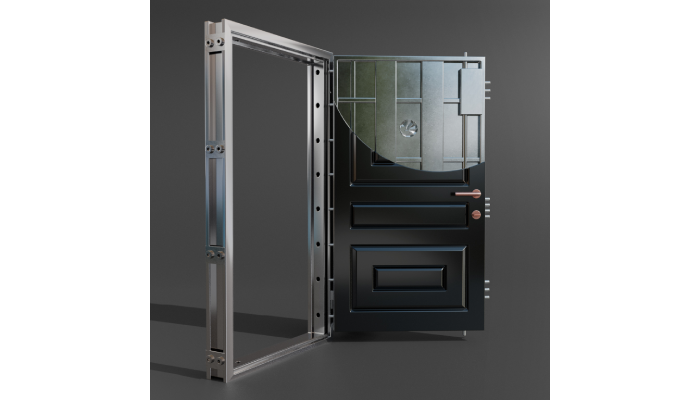
Steel security doors are a crucial investment for homeowners and business owners looking to enhance security and prevent unauthorized access. While steel security doors offer unparalleled durability and protection, making the wrong purchasing decision can lead to wasted money, compromised security, and frustration. To ensure you get the best value for your investment, here are common mistakes to avoid when buying steel security doors.
Not Assessing Your Security Needs
Before purchasing a steel security door, it’s essential to evaluate your specific security requirements. Some buyers make the mistake of assuming all steel security doors offer the same level of protection. Factors such as the location of your property, crime rates in your area, and the value of assets you want to protect should influence your choice.
How to Avoid This Mistake?
- Identify potential security threats in your area.
- Choose a steel security door with the appropriate security rating.
- Consider additional security features such as reinforced frames and multiple locking mechanisms.
Choosing the Wrong Steel Grade and Thickness
Not all steel security doors are made from the same type or thickness of steel. Some manufacturers use lower-grade steel to cut costs, leading to weaker doors that can be breached easily. A common mistake is purchasing a door without checking the steel gauge or thickness.
How to Avoid This Mistake?
- Opt for doors made from at least 16-gauge steel for residential use and 12-gauge steel for commercial applications.
- Ask the manufacturer about the steel grade and ensure it meets security standards.
- Choose doors that offer reinforced cores for extra strength.
Ignoring the Locking Mechanism
A steel security door is only as strong as its lock. Many buyers make the mistake of focusing solely on the door’s material while neglecting the importance of a high-quality locking system.
How to Avoid This Mistake?
- Choose a door with a high-security deadbolt lock.
- Look for multi-point locking systems that secure the door at multiple points.
- Consider biometric or electronic locking systems for added convenience and security.
Overlooking the Door Frame and Installation
A sturdy steel security door won’t be effective if it is installed in a weak or poorly constructed frame. Many buyers neglect to check whether the frame is reinforced and compatible with the door’s weight and security features.
How to Avoid This Mistake?
- Ensure the door frame is made from reinforced steel.
- Use high-quality screws and anchors to secure the frame properly.
- Hire a professional installer to ensure a secure and accurate fit.
Neglecting Aesthetic Considerations
While security is the primary concern, appearance should not be ignored. Some buyers assume steel security doors are unattractive and settle for a bulky, industrial-looking design that doesn’t match their property’s aesthetics.
How to Avoid This Mistake?
- Look for designs that complement your home or business’s architecture.
- Choose doors with powder-coated finishes to prevent rust and improve appearance.
- Consider decorative elements like wrought iron designs or glass panels with reinforced security features.
Not Checking for Certification and Compliance
Security doors should meet specific industry standards to ensure they provide the protection they claim. One common mistake is purchasing a steel security door without checking for certifications from relevant security and safety organizations.
How to Avoid This Mistake?
- Look for certifications such as UL (Underwriters Laboratories) or ANSI (American National Standards Institute).
- Ensure the door meets local building codes and fire safety regulations.
- Verify the manufacturer’s reputation and compliance with quality standards.
Buying the Cheapest Option
Price is always a consideration, but choosing the cheapest steel security door can result in poor quality and inadequate protection. Many budget-friendly options use lower-grade materials, weak locks, and subpar construction methods.
How to Avoid This Mistake?
- Balance cost with quality by comparing different brands and models.
- Invest in a door that offers durability, strong security features, and warranty coverage.
- Read customer reviews and consult experts before making a purchase.
Not Seeking Professional Advice
Many buyers attempt to purchase and install steel security doors without seeking professional advice. This can lead to costly mistakes, incorrect sizing, or installation errors that compromise security.
How to Avoid This Mistake?
- Consult security experts or door manufacturers for recommendations.
- Work with a professional installer to ensure proper fitting.
- Ask questions about customization options and security enhancements.
Conclusion
Buying a steel security door is a crucial decision that requires careful consideration to ensure maximum protection, durability, and value for money. By avoiding these common mistakes such as ignoring security features, choosing the wrong material, or neglecting proper installation you can make an informed decision and invest in a door that meets your needs. Prioritize quality, security certifications, and professional installation to enhance your property’s safety and peace of mind.