
 By Miguel Foley
In today’s fast-paced industrial environment, optimizing productivity and reducing operational costs are top priorities for manufacturers, warehouses, and processing plants. One of the most effective ways to achieve these goals is by improving the efficiency of material handling systems. Whether you are operating in mining, agriculture, construction, food processing, or chemical manufacturing, the proper use of bulk material handling equipment can significantly streamline operations and enhance output.
This article explores practical strategies to improve efficiency using modern material handling systems and highlights the critical role of bulk material handling equipment in achieving operational excellence.
What is Bulk Material Handling Equipment?
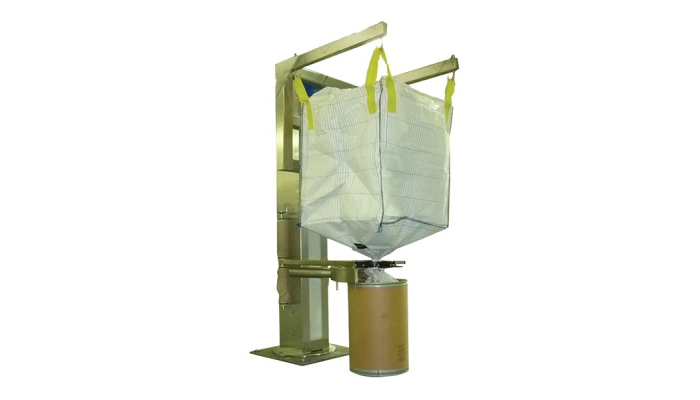
Bulk material handling equipment refers to machinery and tools designed to transport, control, protect, and store materials in bulk form. These materials could be powders, granules, rocks, grains, or any large volume of loose material.
Examples of common bulk material handling equipment include:
- Conveyor belts
- Screw conveyors
- Bucket elevators
- Stackers and reclaimers
- Hoppers and silos
- Pneumatic conveying systems
- Vibrating feeders and screens
This equipment is widely used in industries that require continuous movement of materials for production, packaging, or storage.
Why Efficiency Matters in Material Handling Systems?
Efficient material handling systems directly impact:
- Operational costs: Less waste, reduced labor needs, and minimized downtime lead to lower costs.
- Productivity: Improved equipment speed and accuracy enhance throughput.
- Safety: Well-maintained, efficient systems reduce the risk of accidents.
- Energy consumption: Energy-efficient systems minimize environmental impact and utility expenses.
By improving your material handling processes, your organization can gain a competitive edge in both cost savings and production timelines.
Strategies to Improve Efficiency with Bulk Material Handling Equipment
Evaluate Your Current Material Flow
Before implementing new systems or upgrading equipment, assess your current material flow. Identify bottlenecks, redundancies, and areas of frequent delays.
Key questions to ask:
- Are materials being transported in the most direct route?
- Are there frequent stoppages due to overflows or equipment blockages?
- Is manual handling slowing down your operation?
A thorough analysis can reveal gaps in your current setup and provide direction for targeted improvements.
Invest in the Right Bulk Material Handling Equipment
Choosing the right equipment is critical. Your selection should be based on the type, size, and flow characteristics of the materials you handle.
For example:
- Conveyor belts are ideal for transporting materials over long distances with minimal effort.
- Screw conveyors are excellent for moving semi-solid materials like sludge or grain.
- Pneumatic conveyors are suitable for light powders and granules over complex routes.
- Bucket elevators are best for vertical movement of bulk goods.
Selecting purpose-built bulk material handling equipment tailored to your material properties and process needs ensures higher efficiency and reduced maintenance costs.
Automate Repetitive Processes
Automation plays a key role in boosting productivity. Many modern handling systems come equipped with sensors, control panels, and AI-based software that allow for automated operation and monitoring.
Benefits include:
- Consistent material flow
- Reduced reliance on manual labor
- Real-time tracking and diagnostics
- Predictive maintenance alerts
For instance, integrating a smart conveyor system with automatic speed adjustment based on material load can significantly reduce wear and energy usage.
Optimize Storage and Retrieval Systems
Efficient storage systems work hand-in-hand with bulk material handling equipment. Improper storage leads to material contamination, loss, or spoilage, which hampers overall process flow.
Key tips:
- Use silos and hoppers for dust-free, space-saving storage.
- Implement stacker and reclaimer systems to streamline loading/unloading.
- Ensure FIFO (First In, First Out) principles are followed to reduce waste.
- Design storage units close to processing lines to reduce transport time.
Focus on Maintenance and Downtime Prevention
Even the most sophisticated material handling systems can break down if not properly maintained. Regular maintenance of your bulk material handling equipment ensures smooth operations and prevents unexpected downtime.
Tips to reduce downtime:
- Create a scheduled maintenance plan
- Train staff to perform routine checks
- Keep essential spare parts in stock
- Utilize diagnostic tools for predictive maintenance
Incorporating IoT-enabled sensors in equipment can help identify early signs of wear or malfunction, allowing you to act before major failures occur.
Improve Worker Training and Safety Protocols
Efficiency is not just about machines your workforce plays a crucial role too. Proper training ensures workers operate bulk material handling equipment safely and efficiently.
- Provide hands-on training with new machinery
- Emphasize load limits, speed settings, and emergency procedures
- Encourage proactive communication between operators and maintenance teams
- Conduct regular safety drills and performance audits
An informed workforce reduces the risk of errors, equipment damage, and accidents.
Conclusion
Improving efficiency in material handling systems is no longer a luxury it’s a necessity in today’s competitive industrial landscape. By focusing on the smart integration of bulk material handling equipment, automation, facility layout, and workforce training, businesses can significantly increase their operational productivity and cost-effectiveness.
Whether you’re upgrading an old system or building a new one from scratch, the right equipment and strategy will transform your material flow into a high-performance, streamlined operation.