
 By John Mercado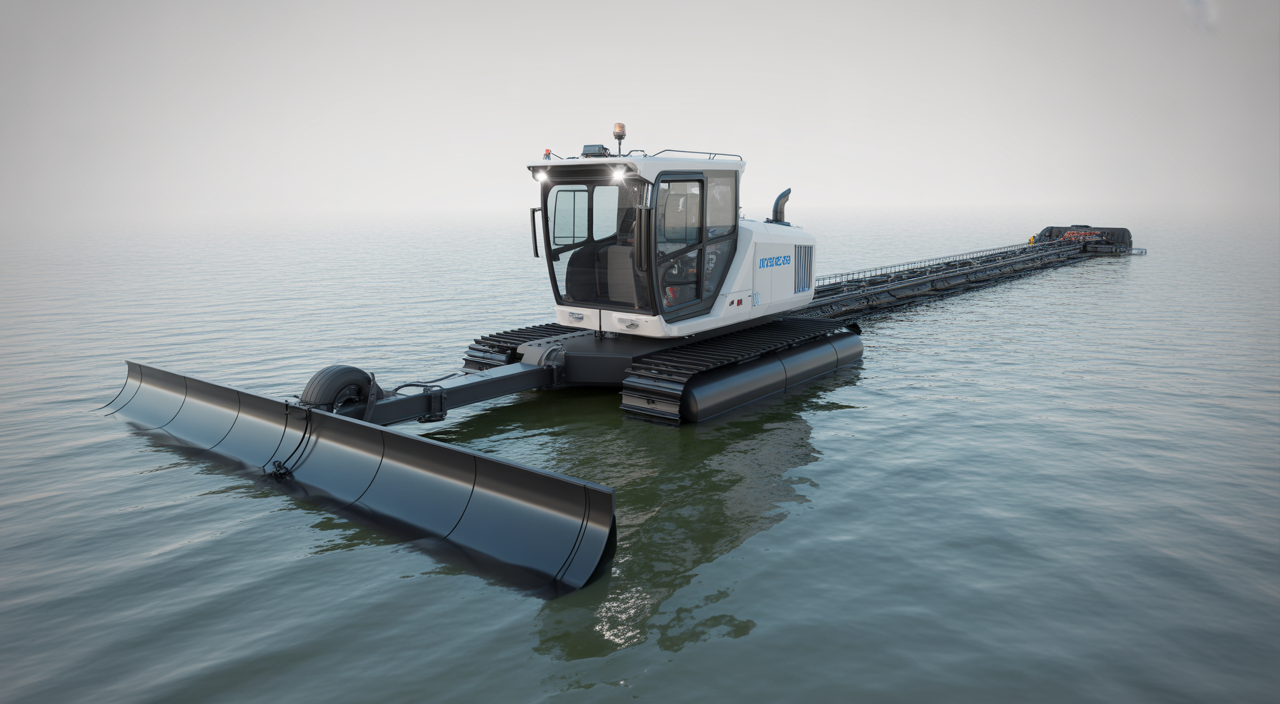
Have you ever wondered how waterways are kept clean and navigable? Dredging is the answer! And remote controlled dredge systems are changing the game, offering a safer, more efficient, and precise way to remove sediment and maintain our precious water resources.
Think of it this way: traditional dredging can be like trying to thread a needle with boxing gloves on. It’s often cumbersome, labor-intensive, and can pose risks to the environment and the workers involved. Remote controlled dredging, on the other hand, is like using a laser pointer – precise, controlled, and minimizing disruption.
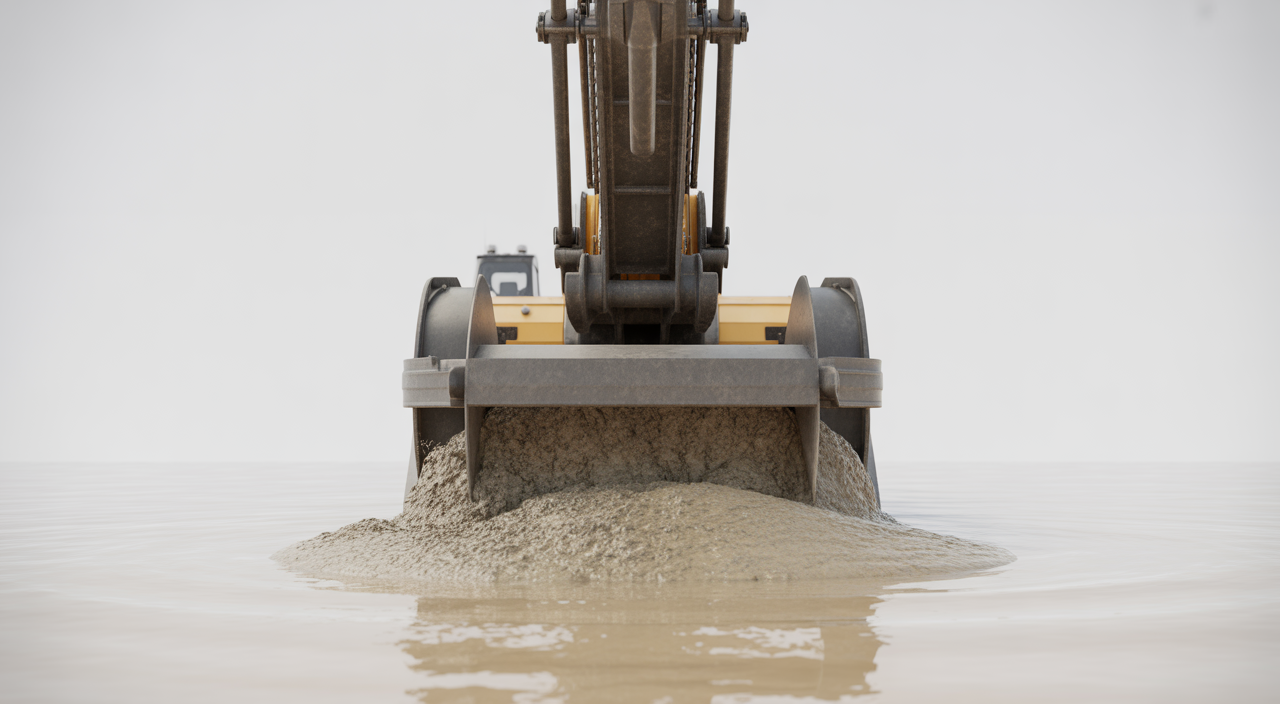
So, what exactly *is* a remote controlled dredge, and why is it becoming so popular? Let’s dive in!
Understanding Remote Controlled Dredges
At its core, a dredge is a machine designed to remove sediment, debris, and other materials from the bottom of bodies of water. This could be anything from a small pond to a large river or even the ocean. A remote controlled dredge takes this concept a step further by allowing operators to control the machine from a safe distance, often onshore or from a control room.
Here’s a breakdown of the key features:
- Remote Operation: The dredge is controlled remotely, eliminating the need for an on-board crew.
- Precision: Operators can precisely target specific areas for sediment removal.
- Safety: Reduces risks to personnel in hazardous environments.
- Efficiency: Can operate continuously for extended periods.
How Does It Work?
A typical remote controlled dredge consists of several key components:
- Dredge Body: The main structure that houses the dredging mechanism.
- Dredging Mechanism: This could be a cutterhead, auger, or suction system, depending on the application.
- Pumps: Powerful pumps are used to transport the dredged material.
- Remote Control System: This includes sensors, cameras, and a control panel that allows operators to monitor and control the dredge.
The operator uses the remote control system to maneuver the dredge, control the dredging mechanism, and monitor the entire process. Sensors provide real-time feedback on depth, location, and material flow, allowing for precise and efficient operation.
Benefits of Using a Remote Controlled Dredge
Why are more and more companies and organizations turning to remote controlled dredging? Here are some compelling advantages:
- Enhanced Safety: By removing personnel from the dredge itself, the risk of accidents and injuries is significantly reduced. That’s especially important in hazardous environments, such as those containing contaminated sediments, giving you peace of mind.
- Reduced Labor Costs: Fewer on-site personnel translate to lower labor costs, making dredging projects more affordable for you.
- Increased Efficiency: Remote controlled dredges can operate continuously, maximizing productivity and reducing project completion times, which means faster results for your project.
- Accessibility: These dredges can access remote or difficult-to-reach areas, such as small ponds, narrow channels, and areas with limited access.
- Environmental Protection: Precise control minimizes disturbance to the surrounding ecosystem, reducing the impact on aquatic life, and helping you meet environmental standards.
Applications of Remote Controlled Dredges
The versatility of the remote controlled dredge makes it suitable for a wide range of applications:
- Environmental Remediation: Cleaning up contaminated sediments in rivers, lakes, and harbors.
- Aquaculture: Maintaining healthy pond ecosystems for fish farming and other aquaculture operations.
- Mining Tailings Management: Removing and processing mining waste materials.
- Industrial Wastewater Treatment: Removing sludge and solids from industrial wastewater ponds.
- Lake and Pond Maintenance: Removing sediment and improving water quality in recreational lakes and ponds.
Choosing the Right Dredge
Selecting the right dredge depends on your specific project requirements. You’ll want to consider these factors:
- Project Scope: What is the size and depth of the area to be dredged?
- Sediment Type: What type of material needs to be removed (sand, silt, clay, etc.)?
- Environmental Conditions: What are the water currents, temperature, and other environmental factors?
- Budget: What is the budget for the project?
By carefully considering these factors, you can choose a remote controlled dredge that’s well-suited to your needs and will deliver optimal performance for your project. You might also want to consider finding a reliable dredging services provider to help you make the right choice. The right partner can make all the difference!
Frequently Asked Questions (FAQs)
Here are some common questions about remote controlled dredges:
- Are remote controlled dredges expensive?
The initial investment can be higher than traditional dredges, but the reduced labor costs and increased efficiency often result in lower overall project costs. - Are they difficult to operate?
Modern remote control systems are user-friendly and intuitive, making operation relatively straightforward with proper training.
In conclusion, remote controlled dredges offer a safe, efficient, and precise way to remove sediment and maintain our waterways. As technology continues to advance, we can expect to see even more innovative applications of this technology in the future.