
 By John Mercado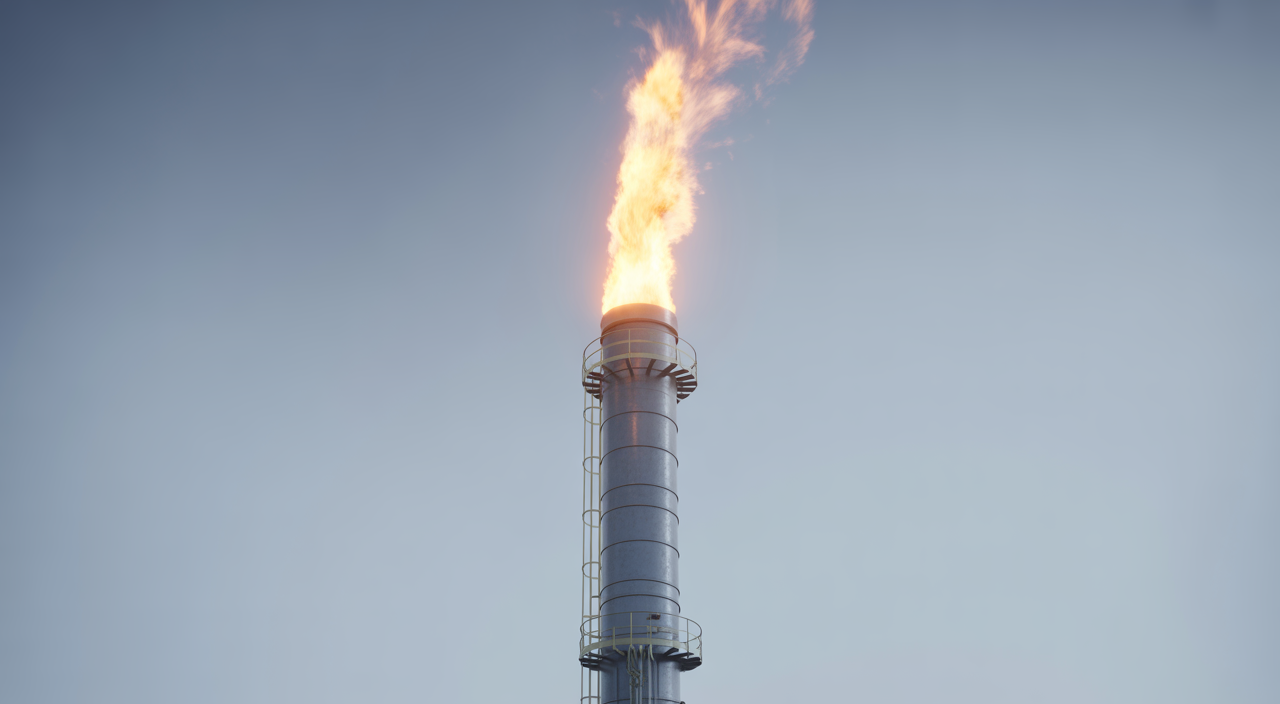
If you manage an oil & gas site, refinery, or chemical plant, there will be times when you need safe burning of excess gas for a short period. That is where a rental flare comes in. With the right partner, a rental flare can control emissions, protect your people, and keep production running smoothly.
This guide walks you through how these temporary flare systems work, what to check before you rent, and how to keep costs under control. The focus is on practical points that plant and project teams can use straight away.
Whether you are planning a planned shutdown, commissioning a new unit, or handling an unexpected upset, good process flare rental solutions help you stay compliant and confident.
What Is a Rental Flare System?
A rental flare system is a temporary setup used to burn off waste or relief gas in a controlled way. It is brought to your site for a limited time and sent back once the job is done. This avoids the need to invest capital in a permanent flare stack if your need is short term.
Most rental flare systems include:
- Flare stack: The tall structure that releases and burns the gas.
- Flare tip: The top section designed for efficient and smokeless burning.
- Pilot and ignition system: Keeps the flame lit safely at all times.
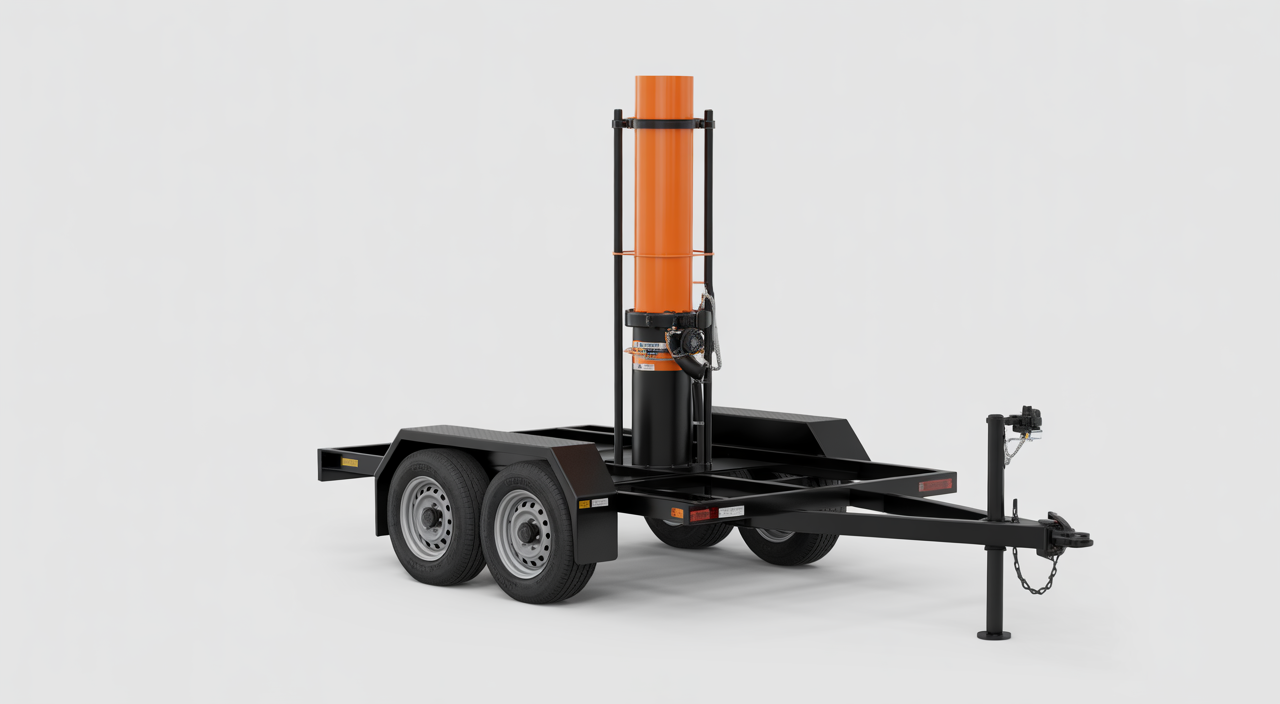
- Skid or trailer: Makes the flare portable and easy to position.
You will find three common formats: fully portable trailer units, skid-mounted flare rental for industrial sites, and temporary fixed units that stay for longer projects.
Why Rental Flares Are a Smart Choice
Many operators now prefer a rental flare stack instead of buying a new system for every project. The benefits are clear.
- Fast deployment: Portable flare system rental can often reach your site in days, not months. This is vital during unplanned shutdowns or emergency gas disposal.
- Lower upfront cost: You pay only for the time you use the equipment. This keeps cash free for other investments.
- Built-in compliance: Quality providers follow global standards and local rules for emissions and safety, which makes your permitting easier.
- Scalable capacity: Different models can handle a wide range of flow rates, from small temporary gas flare units to high-capacity mobile flare system hire for major projects.
For Indian investors or project leaders, renting can also be tax efficient and easier to justify in board meetings, as it directly links cost to project revenue.
Portable vs Skid-Mounted vs Temporary Fixed Flares
Choosing between flare types depends on your site and project goal. Portable trailer units are best when you need a quick response and frequent relocation. They are popular for pipeline work and short campaigns.
Skid-mounted systems suit refineries, gas processing units, and chemical plants. These mobile flare skid hire options give more stability, higher capacity, and better integration with your existing pipework.
Temporary fixed flares are used when a project will run for a long time, such as multi-year pilot plants. The structure is more permanent, but the commercial model still stays rental-based.
Key Checks Before You Choose a Rental Flare
Many engineers first look at price, but the right choice starts with technical fit. Here are the main factors to review.
- Gas flow rate: Know your peak and normal flow in standard cubic metres per hour or similar units. This decides flare size.
- Gas composition: Share details of hydrocarbons, inert gas, and any corrosive or toxic components. This affects material choice and flare tip design.
- Back pressure and upstream equipment: Check how the flare will tie into your system to avoid process upset.
- Site conditions: Space, ground bearing capacity, wind direction, and nearby buildings all influence the model selected.
For project timing, think through contract length early. Short-term flare system rental services can be priced daily or weekly, while longer campaigns often win better monthly rates.
How to Think About Rental Flare Cost
Flare stack rental cost is shaped by more than the day rate. Understanding these drivers helps you budget with confidence and justify decisions to management.
- Capacity and pressure rating: Higher flow and more complex conditions usually mean a larger, more advanced unit and a higher rate.
- Duration: Longer rentals often reduce the average daily price.
- Location and logistics: Transport, cranes, and local permits can add to the total project cost.
- Support level: Options such as 24/7 monitoring, on-site operators, or monthly maintenance will change the package value.
A simple internal “cost estimator” can help your team. Multiply the expected daily rate by project days, then add transport and setup. Compare this to the cost of downtime, penalties, or installing a permanent unit. In many cases, the rental option clearly wins on flexibility and risk reduction.
Regulatory and Permitting Roadmap
Every region has its own rules, but the broad steps are similar. You must prove that your onsite flare rentals will control emissions within approved limits and protect workers and neighbours.
- Confirm which government body and local board will review your flare plan.
- Collect gas data, flow estimates, and safety distances for your layout.
- Work with the provider to get technical drawings, certificates, and performance claims.
- Submit documents early so approvals do not delay your turnaround or project start date.
Good partners will give you a document checklist and can even talk directly with your consultants to speed up approvals.
Service Support You Should Expect
When you are assessing industrial flare stack rental options, look beyond hardware. The true value lies in the service around it.
- Pre-job engineering: Sizing, layout, and tie-in advice to keep your design safe and efficient.
- Installation support: Clear guidance for civil works, lifting, and connection to your system.
- Commissioning and training: Help with start-up and simple operator training for your shift teams.
- Remote or on-site monitoring: To track performance and catch issues early.
Many of these service ideas are similar to the planning tips shared for new businesses in this helpful guide on things you must do before launching your business, where preparation reduces risk and improves results.
Why Choosing the Right Partner Matters
In high-pressure moments, such as plant upsets or tight shutdown windows, you need more than equipment. You need a calm, reliable team that has solved these problems many times before.
A strong rental partner will bring:
- Proven experience in your industry segment.
- Clear, simple contracts with no hidden charges.
- Fast response time and clear communication lines.
- Access to add-on items like flare tip accessories rental and emission monitoring tools.
Working with such teams feels very similar to partnering with a focused maintenance package provider, where ongoing support keeps assets performing at their best.
Bringing It All Together
When chosen well, a rental flare can turn a complex gas handling challenge into a safe, predictable task. You control risk, protect uptime, and stay on the right side of regulators.
Start with a clear understanding of your gas, flow, and site limits. Then evaluate offers based on technical fit, service depth, and total project cost, not only the daily rate. With the right rental flare partner, every turnaround, commissioning, or emergency event becomes far easier to manage.
FAQs
Q1: How early should I book a rental flare for a planned shutdown?
It is wise to start discussions at least 6 to 8 weeks before your shutdown. This gives enough time for engineering checks, permitting support, logistics planning, and any site preparation such as foundations or piping adjustments.
Q2: Can one rental flare handle different projects at different locations?
Yes, many portable and skid-mounted units are designed for repeat use at multiple sites. As long as the gas composition and flow range match the unit’s rating, the same system can support several projects over time, which keeps your planning simpler and more consistent.